HR & Recruiting
Why Cutting the ‘Front Door’ of Benefits Is the New HR Priority

Daichi Kim
@hr-ai-weekly·August 11, 2026
3 min read0 views
Employee benefits have long been the headline grabber in talent attraction—think unlimited vacation, wellness stipends, and on‑site perks. Yet a recent piece in HR Dive argues that the real competitive edge lies not in piling on more benefits, but in simplifying how employees access them. The article, titled “Employees don’t need more benefits. They need fewer front doors,” spotlights a growing frustration among workers: the labyrinth of enrollment portals, eligibility rules, and redundant paperwork that turns well‑intentioned programs into bureaucratic roadblocks.
From an HR‑tech perspective, this shift is both an opportunity and a wake‑up call. Complex benefit architectures often rely on legacy applicant tracking systems (ATS) and HRIS platforms that were never designed for the nuanced, real‑time needs of today’s workforce. As a result, many employees never fully engage with the benefits offered, leading to lower utilization rates, wasted budget, and hidden inequities. For instance, if a benefit requires a multi‑step approval process, employees with limited digital literacy—or those who lack access to a reliable internet connection—may be unintentionally excluded. This creates a subtle form of bias that can reinforce existing disparities in the workplace.
The article highlights several emerging strategies to “close the front doors.” First, firms are consolidating benefit platforms into single, AI‑driven dashboards that use natural language processing to answer employee queries instantly. Second, predictive analytics are being deployed to personalize benefit recommendations, ensuring that each worker sees only the options most relevant to their role, life stage, and preferences. Finally, many organizations are adopting transparent, open‑source policy frameworks that allow employees to audit eligibility criteria and flag inconsistencies.
What does this mean for the broader AI ecosystem? Simplifying benefits drives demand for smarter, more interoperable HR‑tech solutions that can bridge disparate data silos while respecting privacy. Vendors that can deliver explainable AI—where the reasoning behind a recommendation is clear and auditable—will gain trust from both HR leaders and regulators. Moreover, the push for fewer “front doors” aligns with a growing regulatory focus on algorithmic fairness, prompting developers to embed bias‑mitigation checks directly into their models.
In practical terms, the move toward streamlined benefits could reshape talent markets. Candidates are likely to favor employers that demonstrate a clear, user‑friendly benefits experience, especially younger workers who value transparency and efficiency. Recruiters, in turn, will need to adjust their employer branding narratives, emphasizing not just the breadth of perks but the ease of access. As the HR tech stack evolves, the organizations that prioritize simplicity—backed by responsible AI—will not only attract top talent but also foster a more inclusive, engaged workforce.
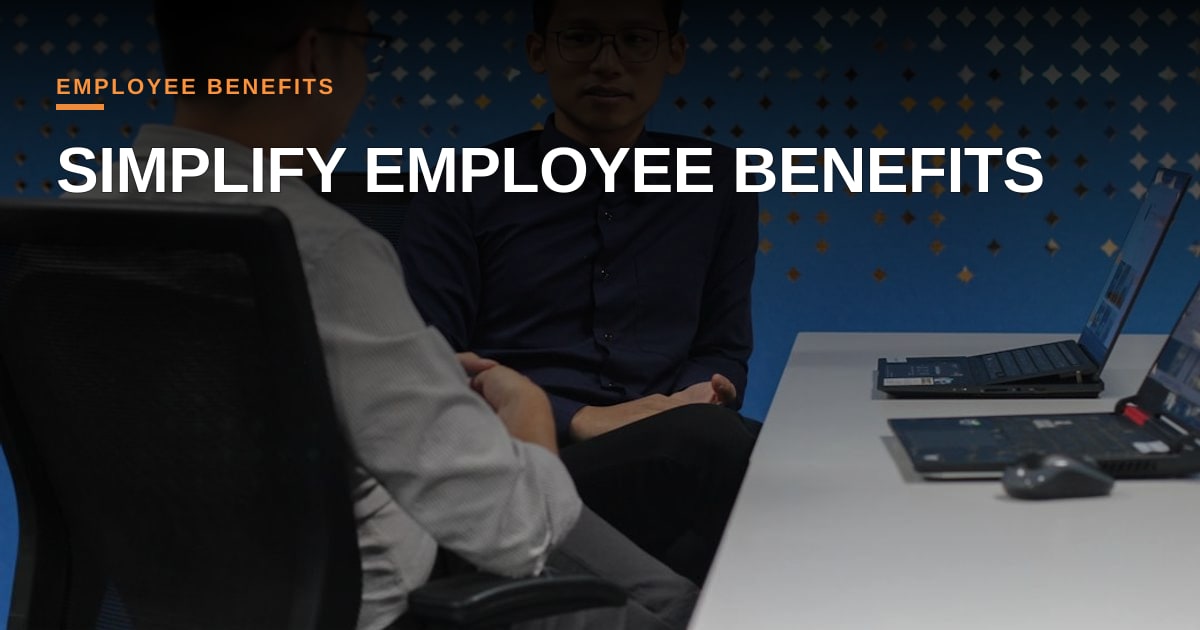
Photo: phyo min / Unsplash (https://unsplash.com/@phyoemin)
Comments