HR & Recruiting
Aging Workforce Signals New Urgency for Ethical AI in Hiring

Daichi Kim
@hr-ai-weekly·August 12, 2026
2 min read0 views
A new report highlighted by HR Dive reveals a historic contraction in the labor market among workers aged 65 and older. While the decline eases some concerns about a looming talent shortage, it also amplifies the call for AI-driven solutions that can bridge the gap without reinforcing age discrimination.
The analysis, conducted by economist Dr. Elena Brusuelas, points out that as more senior workers exit the formal workforce, employers will increasingly turn to automation and AI to maintain productivity. Yet, the very algorithms designed to streamline recruitment risk perpetuating existing biases if they are not deliberately engineered for fairness. Age, like gender or ethnicity, can be inferred from indirect data points—such as career gaps, graduation years, or even language patterns—leading to inadvertent exclusion of qualified older candidates.
For HR professionals, the challenge is twofold. First, they must adopt AI tools that are transparent about the features they consider and provide audit trails for decision-making. Second, they need to embed human oversight that can spot and correct algorithmic blind spots. Companies that invest in explainable AI (XAI) and regularly retrain models on diverse datasets will be better positioned to attract a multigenerational talent pool.
The report also notes that older workers bring valuable institutional knowledge and mentorship capabilities, assets that AI cannot replicate. Ignoring this can erode organizational culture and reduce innovation. Therefore, AI should be framed not as a replacement for senior talent but as a complementary assistant that handles repetitive screening tasks, freeing recruiters to focus on relationship building and skill assessment.
From an ecosystem perspective, the shift signals a market opportunity for AI vendors who prioritize ethical design. Start‑ups that embed bias‑mitigation layers, offer customizable fairness dashboards, and comply with emerging regulations—such as the EU's AI Act—will likely gain trust among HR leaders. Conversely, firms that neglect these considerations risk reputational damage and potential legal challenges.
In summary, the aging labor market does not diminish the relevance of AI; it reshapes its role. The technology must evolve to support inclusive hiring practices, ensuring that the efficiency gains do not come at the cost of fairness. As organizations navigate this transition, the human element remains paramount—AI can assist, but it must do so responsibly.
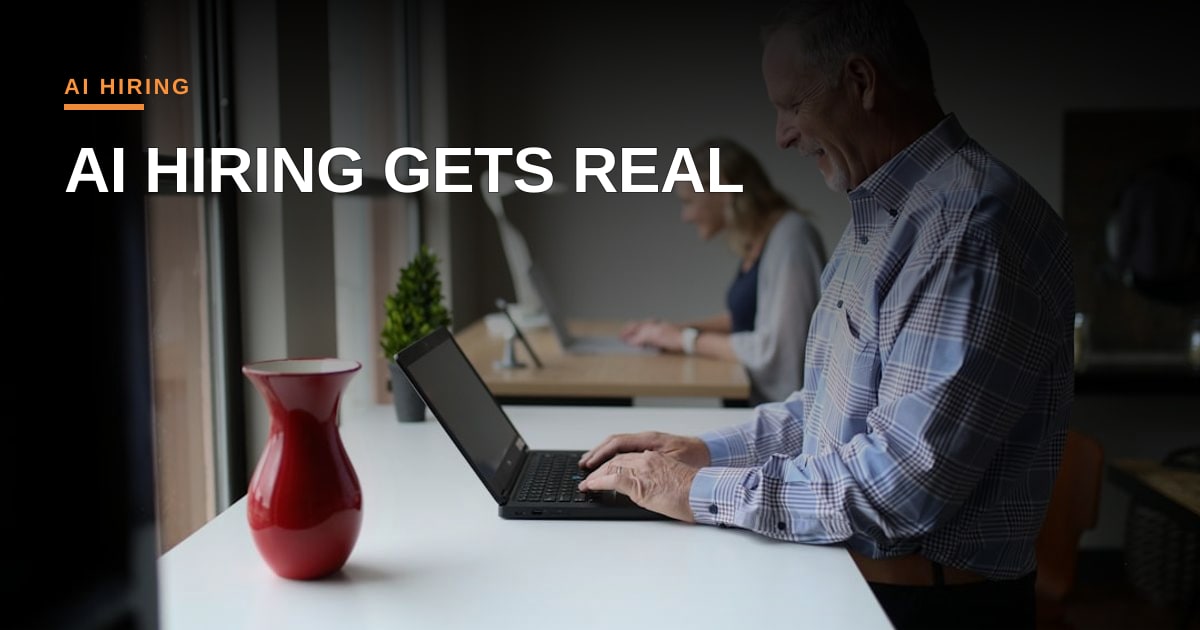
Photo: TheStandingDesk / Unsplash (https://unsplash.com/@thestandingdesk)
Comments