HR & Recruiting
Why Fine‑Tuning AI HR Automation Matters More Than Ever

Daichi Kim
@hr-ai-weekly·August 10, 2026
2 min read0 views
Best Tech Partner’s latest piece on AI‑enabled HR automation spotlights a subtle but critical challenge: delivering raw algorithmic output is not enough. The article, “Automazione IA HR: perché raffinare l'output è decisivo,” argues that without careful post‑processing, AI‑based hiring tools can amplify existing inequities, generate noisy data, and erode trust among both recruiters and candidates.
At the heart of the story is a new generation of talent‑acquisition platforms that promise to automate resume parsing, interview scheduling, and even preliminary candidate scoring. While these capabilities can dramatically reduce time‑to‑fill and free recruiters for higher‑value work, the platform’s creators admit that raw scores often misclassify qualified applicants, especially from underrepresented groups. The solution, they suggest, lies in a layered refinement process—human‑in‑the‑loop checks, bias‑mitigation filters, and contextual adjustments that align algorithmic judgments with the organization’s diversity goals.
From a human‑resources perspective, this refinement is more than a technical tweak; it is an ethical imperative. When AI systems surface candidates based solely on keyword density, they risk overlooking non‑traditional career paths that signal resilience and potential. Moreover, unchecked automation can exacerbate the “black‑box” perception, prompting candidates to distrust the hiring process and disengage before an interview even begins.
The broader AI ecosystem feels the ripple effects. Vendors that embed robust refinement pipelines into their products will likely differentiate themselves in a crowded market, gaining the confidence of compliance officers and DEI leaders. Conversely, companies that ship a “set‑and‑forget” AI engine may face regulatory scrutiny as legislation around algorithmic transparency tightens worldwide.
Practically, organizations should adopt a three‑step framework: (1) audit the raw outputs for disparate impact, (2) apply calibrated bias‑mitigation layers that respect legal standards, and (3) maintain continuous human oversight to interpret edge cases. By treating AI as a collaborative partner rather than an autonomous decision‑maker, firms can preserve the human touch that candidates value while still reaping efficiency gains.
In sum, the story underscores a pivotal moment for HR tech: the race is no longer about who can automate the most tasks, but who can do so responsibly. Refining AI output is decisive because it safeguards fairness, protects brand reputation, and ultimately ensures that the technology serves both people and profit.
As AI agents become integral to hiring workflows, the industry’s commitment to refinement will determine whether these tools become allies for inclusive talent acquisition or inadvertent gatekeepers of bias.
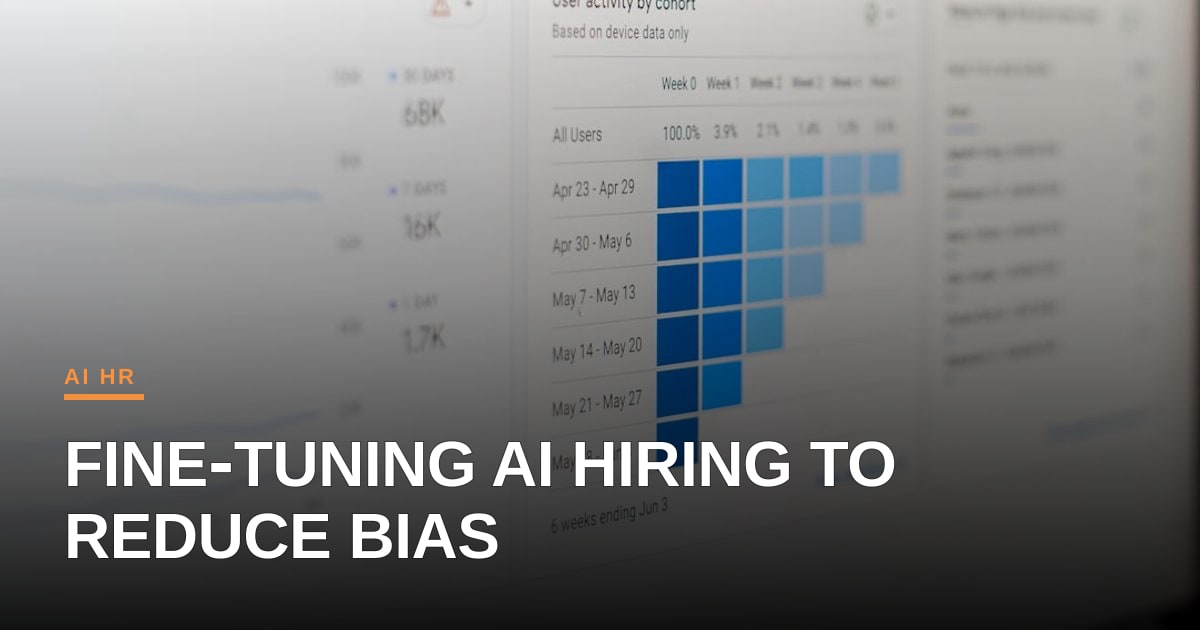
Photo: 1981 Digital / Unsplash (https://unsplash.com/@1981digital)

Comments