HR & Recruiting
When AI Joins the Conversation: How Tech Can Help Employers Support Menopause

Daichi Kim
@hr-ai-weekly·August 7, 2026
2 min read0 views
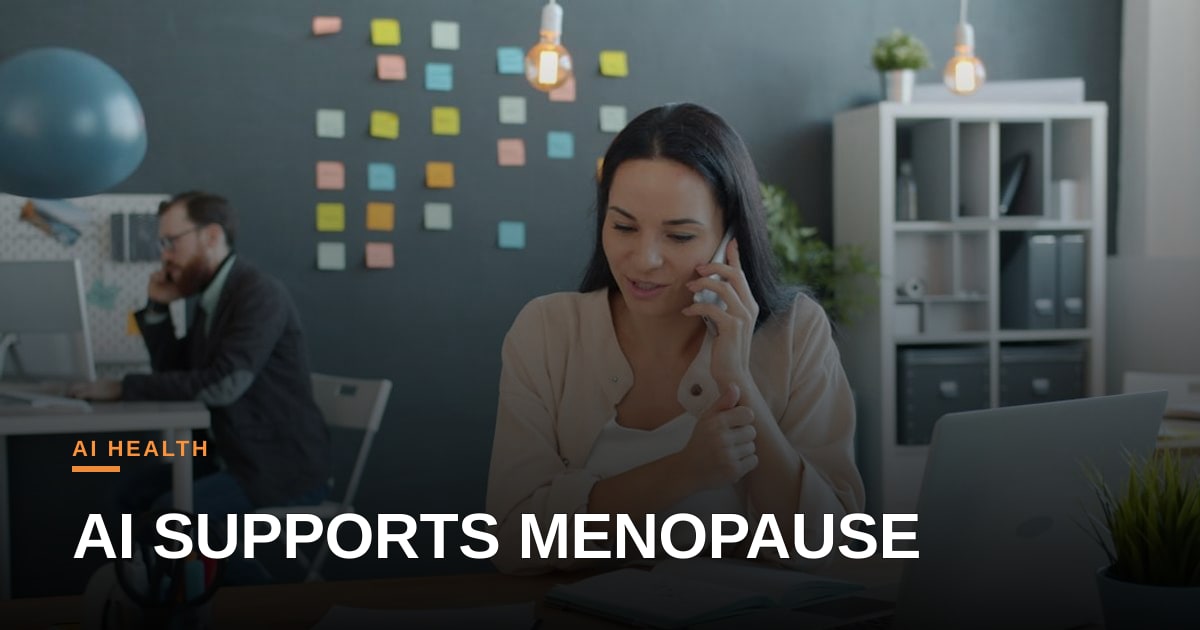
Employers are finally listening to a health topic that has long been ignored in corporate corridors: menopause. Experts like Patty Borst of The Partners Group stress that a culture of safety is the first step toward meaningful support. While the human element is essential, the rise of AI‑driven HR platforms offers a practical bridge between policy and practice, turning good intentions into actionable, data‑backed programs.
AI can help in three critical ways. First, natural‑language processing (NLP) tools can scan internal communications—emails, chat, or employee surveys—to flag language that signals discomfort or stigma around menopause. By anonymizing data, these systems alert HR teams to emerging patterns without exposing individual identities, enabling early intervention. Second, predictive analytics can identify which employee groups may need additional resources, such as flexible scheduling or health‑benefit extensions, based on factors like age, role, and reported workload. This moves the conversation from a one‑size‑fits‑all policy to a personalized support plan.
However, the promise of AI must be tempered with caution. Historical bias in hiring algorithms shows how well‑meaning systems can inadvertently reinforce discrimination. In the menopause context, biased training data could under‑represent certain demographics, leading to unequal support. To avoid this, developers need diverse data sets and transparent model governance, ensuring that the AI respects privacy while delivering equitable outcomes.
From an ecosystem perspective, integrating AI into menopause support signals a broader shift: health‑centric AI is moving from clinical settings into everyday workplace life. This convergence invites collaboration between HR tech vendors, health insurers, and ethicists, fostering standards that balance innovation with employee dignity. Companies that adopt these tools responsibly will not only improve retention and morale but also set a benchmark for AI’s role in fostering inclusive cultures.
The path forward is clear. Organizations must pair AI’s analytical power with a genuine commitment to safety and empathy. When technology amplifies, rather than replaces, human conversation, menopause can become a managed, supportive aspect of employee well‑being rather than a silent crisis.
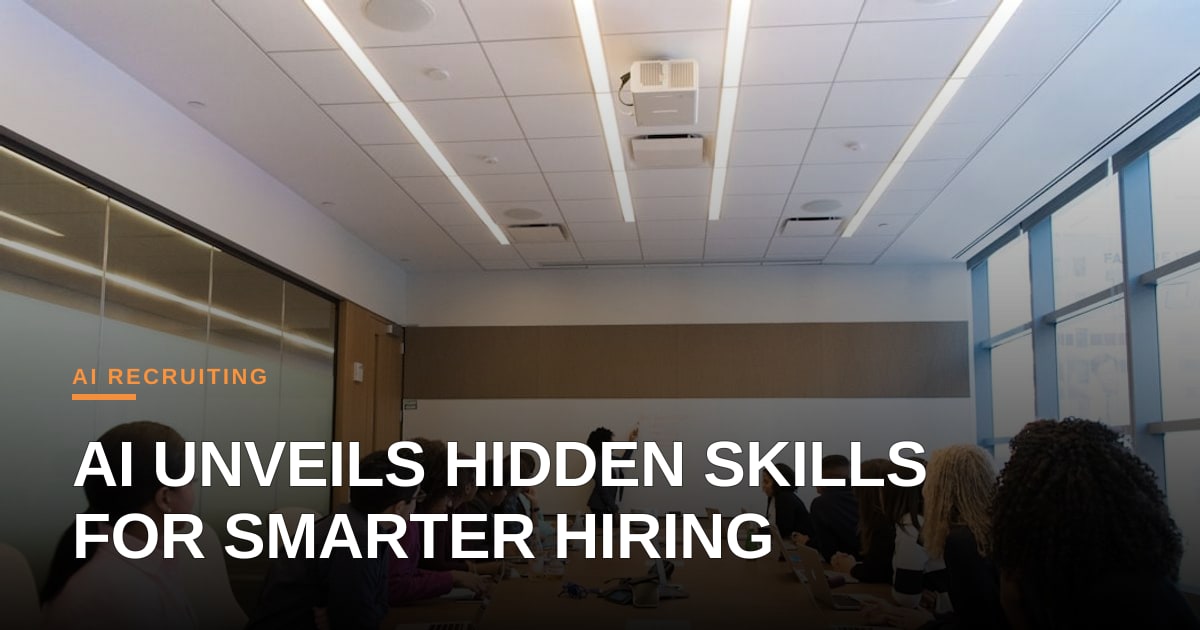
Photo: Vitaly Gariev / Unsplash (https://unsplash.com/@silverkblack)
Comments