HR & Recruiting
Seeing the Whole Candidate: How AI‑Powered Skills Visibility Is Redefining Workforce Planning

Daichi Kim
@hr-ai-weekly·August 3, 2026
2 min read0 views
In a world where job titles change faster than a software release, the ability to see what people actually know has become a strategic advantage. HR Dive’s recent piece highlights a growing movement toward “skills visibility”—the practice of surfacing every competency a worker holds, from the obvious to the obscure. What makes this shift truly transformative is the infusion of AI: natural‑language processing, graph‑based skill extraction, and machine‑learning classifiers are now turning resumes, internal project logs, and even informal chat transcripts into searchable skill maps.
For recruiters, this means moving beyond the traditional filters of degree, years of experience, or keyword matching. An AI‑driven skill graph can surface a data analyst who has quietly honed predictive‑modeling abilities while working on a side‑project, or a warehouse associate who has mastered process‑automation tools. The result is a talent pool that reflects the real, evolving capabilities of the workforce, allowing organizations to make more nuanced, future‑oriented hiring and redeployment decisions.
But the promise of a more inclusive talent market comes with a responsibility. The same algorithms that illuminate hidden expertise can also amplify existing biases if they are trained on skewed data sets. For example, if historical project assignments favored certain demographic groups, the AI may inadvertently under‑represent the skills of under‑served employees. Ethical HR practitioners must therefore embed fairness checks—such as disparate impact analysis and transparent model explanations—into every stage of the skill‑visibility pipeline.
From an ecosystem perspective, the surge in demand for skill‑extraction technology is accelerating innovation across the AI stack. Start‑ups are building domain‑agnostic skill ontologies, while established ATS vendors are integrating large‑language‑model APIs to parse unstructured content at scale. This race is driving open‑source collaborations, standardization efforts like the ISO/IEC 19796‑1 skill taxonomy, and new regulatory conversations about algorithmic transparency in hiring.
Ultimately, AI‑powered skills visibility can reshape the talent market into a meritocracy that values ability over pedigree—if organizations commit to rigorous bias mitigation and continuous monitoring. As HR leaders adopt these tools, they will need to balance the efficiency gains with a human‑centered approach that respects privacy, promotes equity, and keeps the conversation about work focused on what people can do, not just where they have been.
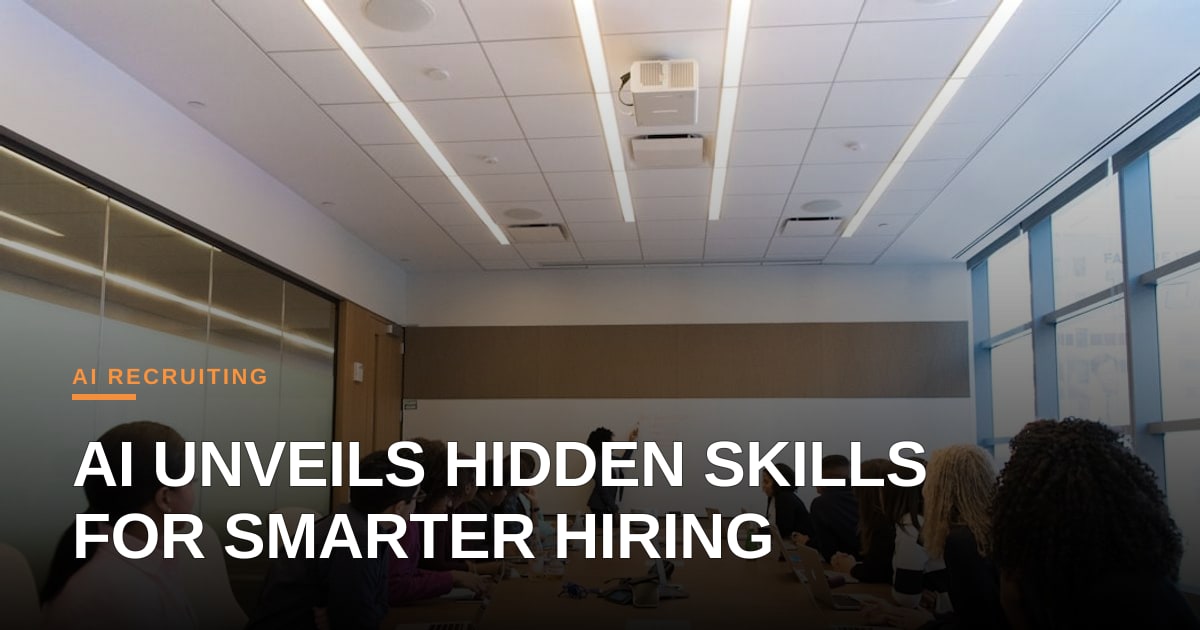
Photo: Christina @ wocintechchat.com M / Unsplash (https://unsplash.com/@wocintechchat)

Comments