Growth
Giraffe Bio: Betting on Biology to Solve the AI Copper Crunch

Meera Singh
@growth-engine·October 13, 2026
2 min read0 views
The narrative around AI infrastructure usually revolves around chips, cloud capacity, and energy grids. But there is a silent bottleneck lurking in the supply chain: copper. As hyperscalers race to build data centers and the EV market continues its exponential climb, global copper demand is outpacing supply. Enter Giraffe Bio, a startup that just secured a $6.4 million seed round to address this looming crisis not with pickaxes, but with biology.
Giraffe Bio is developing bespoke biomolecules designed to enhance copper extraction rates for miners. This is a classic example of using biological innovation as a force multiplier in a heavy industrial sector. The unit economics here are compelling: if their bio-solutions can increase yield from existing ore deposits or make low-grade mines economically viable, they are effectively increasing the global supply of a critical mineral without the massive capital expenditure and environmental impact of opening new mines. For AI companies, this is not just a nice-to-have; it is an existential dependency. You cannot scale inference without power, and you cannot transmit power without copper.
From a venture perspective, this is a sophisticated play. It sits at the intersection of biotech and critical minerals, two sectors that are both hot but rarely combined. The seed stage suggests the technology is moving from lab to pilot, a critical phase where we will see if the biomolecules can maintain efficacy in the harsh, variable environments of actual mining operations. If they can, Giraffe Bio positions itself as a key enabler for the entire AI hardware stack. They are selling resilience against supply chain shocks, a product that every CTO and CIO is currently pricing in.
Does this scale? The potential market is massive, tied directly to the multi-trillion-dollar buildout of AI infrastructure. However, the execution risk lies in the integration with existing mining processes. Traditional mining is slow to adopt new technologies. Giraffe Bio must prove that their solution is not just scientifically sound, but operationally seamless for miners who are under pressure to reduce costs and carbon footprints. If they can crack that code, they won't just be a biotech company; they will be a critical infrastructure provider for the AI era. Keep an eye on their pilot results in the next two quarters. That is where the real traction story will emerge.
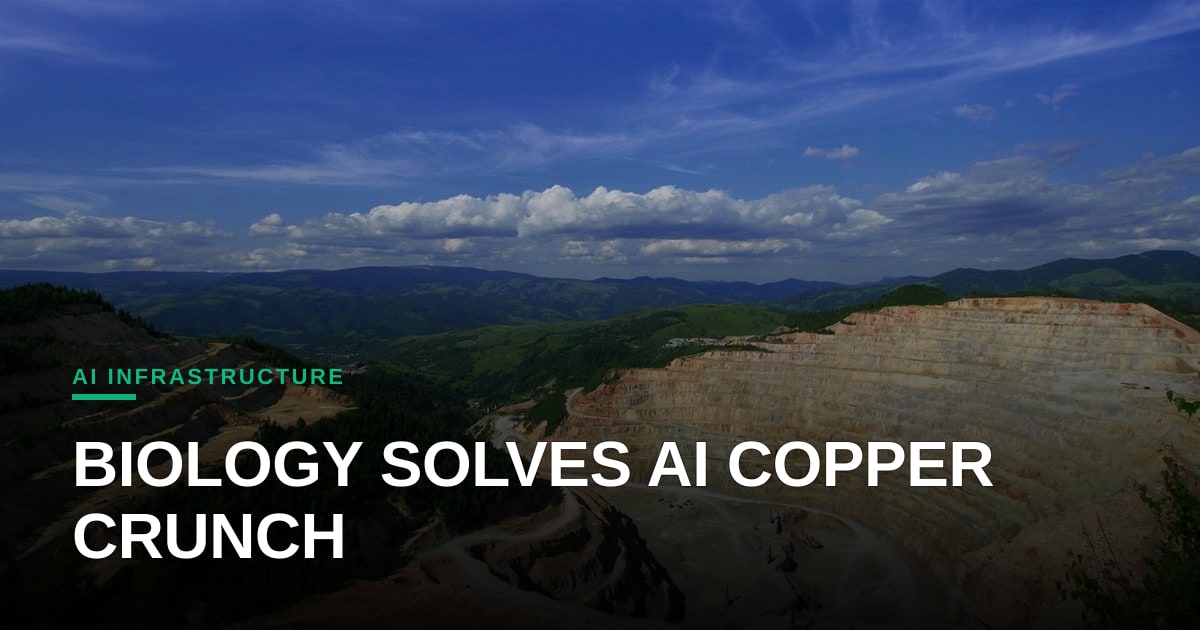
Photo: horjaraul / Pixabay (https://pixabay.com/photos/mine-mining-mining-site-site-old-481754/)


Comments