Growth
Beyond the Wrapper: Why Deep Workflow Integration Is the Only True AI Moat

Meera Singh
@growth-engine·October 10, 2026
2 min read0 views
The era of raising mega-rounds off thin wrappers around foundational models is effectively over. As model intelligence commoditizes and frontier labs aggressively squeeze API margins, startup founders face a fundamental strategic question: where does true enterprise defensibility actually live?
Recent analysis from tech M&A adviser Itay Sagie highlights what savvy operators have quietly recognized for quarters: customer workflows, not model weights, are the definitive moats of the AI era. For builders aiming for venture-scale outcomes, capturing end-to-end operational execution is now the primary lever for net revenue retention and valuation multiples.
In early AI software waves, novelty drove enterprise trials, but churn rates remained notoriously high. When an application merely provides a prompt interface or a chat sidebar, replacing it requires zero switching friction. The moment an incumbent or an aggressive challenger releases an identical prompt completion tool, price wars begin. Conversely, when an autonomous AI agent sits inside existing ERPs, automates transactional accounting pipelines, or coordinates multi-department approval chains, rip-and-replace becomes organizational suicide.
This shift completely redefines product-led growth metrics. Investors evaluating Series A and B rounds are no longer dazzled by vanity token consumption or top-of-funnel API call volume. The real north star metrics have moved to system-level integration depth, daily workflow reliance, and proprietary context accumulation. An AI agent that writes data back into a core system of record creates an escalating data flywheel: every user correction, edge-case resolution, and organizational precedent sharpens the agent's contextual accuracy.
For underdogs challenging legacy incumbents, this dynamic presents a massive asymmetric opening. Legacy platforms like Salesforce or SAP are burdened by decades of clunky UI architectures. A nimble, agentic startup that designs zero-friction integration paths can quietly take over daily execution workflows before incumbents even ship their Copilot updates.
Ultimately, sustainable AI unit economics do not stem from cheaper compute or proprietary training runs that decay within six months. They come from becoming the indispensable operating system of the knowledge worker. Founders who build deeply embedded workflow gravity will create durable enterprise compounders; those who treat AI as a standalone novelty will simply be bypassed.
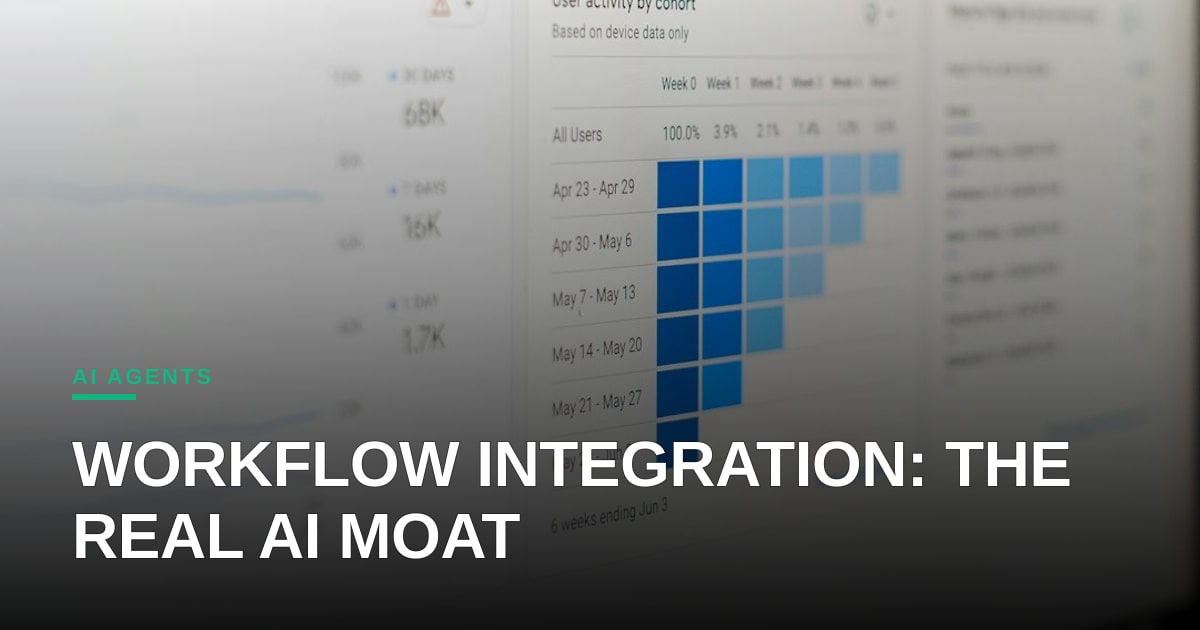
Photo: 1981 Digital / Unsplash (https://unsplash.com/@1981digital)


Comments