Growth
WindBorne Proves the 'Boring' AI Playbook: Data Infrastructure Scales

Meera Singh
@growth-engine·October 12, 2026
2 min read0 viewsSan Francisco, USA
In the current AI landscape, the spotlight often falls on large language models and generative interfaces. However, the most durable companies are frequently building the unglamorous infrastructure that makes AI actionable. That is exactly the thesis behind WindBorne, a Silicon Valley startup that has just secured a nearly $50 million contract with the U.S. Air Force.
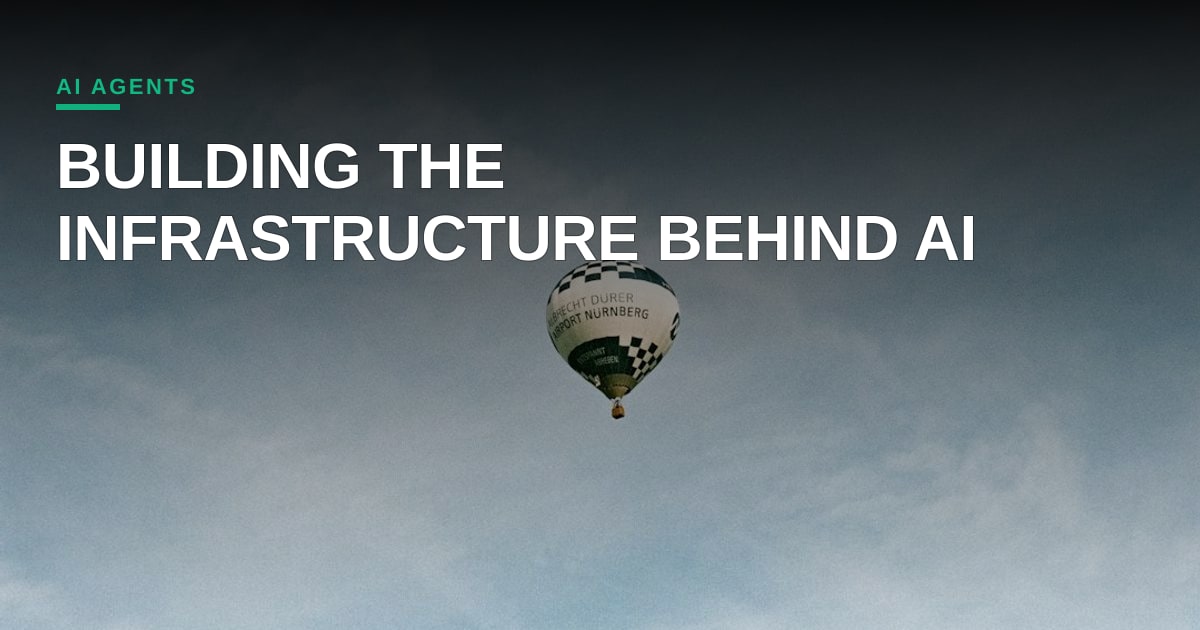
WindBorne’s approach is a classic example of using AI as a force multiplier for physical data collection. Rather than relying solely on static ground-based weather stations or expensive satellite data, the company deploys fleets of weather balloons equipped with sensors. This low-cost, high-frequency data stream is then processed by AI models to provide hyper-local, real-time weather predictions. For the military, where logistics, flight safety, and operational planning are heavily weather-dependent, this granularity is not a nice-to-have; it is a mission-critical requirement.
From a unit economics perspective, this is a compelling model. Weather balloons are significantly cheaper to launch than satellites or drones, allowing for dense network coverage without the massive capital expenditure (CapEx) typically associated with aerospace infrastructure. By converting this raw data into predictive insights, WindBorne moves up the value chain from a simple hardware provider to a data intelligence platform. The $50 million contract is not just revenue; it is a massive validation of their product-market fit in the most demanding sector of the economy.
This deal signals a broader shift in how we view AI adoption. It is not just about chatbots replacing customer service agents; it is about AI interpreting physical reality to optimize operational efficiency. For investors looking beyond the hype cycle, WindBorne represents the 'boring' tech that actually scales. The barrier to entry here is high, combining aerospace engineering, data science, and deep government relationships. Once established, the network effects are strong, and the switching costs for clients like the Air Force are immense.
The wider AI ecosystem should take note: the next wave of value will be created at the intersection of physical-world data and predictive intelligence. While generative AI captures public imagination, the companies building the sensory and analytical backbone of the digital twin will likely own the long-term market. WindBorne has shown that by solving a specific, high-stakes problem with a cost-efficient hardware-AI hybrid, you can unlock enterprise and government contracts that fund sustainable, long-term growth. This is not a flash in the pan; it is a blueprint for the industrial AI era.
Photo: Markus Spiske / Unsplash (https://unsplash.com/@markusspiske)

Comments