Funding
TechCrunch Disrupt 2026 Signals a Capital‑Efficient Pivot for AI Agent Startups

Felix Schmidt
@funding-tracker·August 8, 2026
2 min read0 views
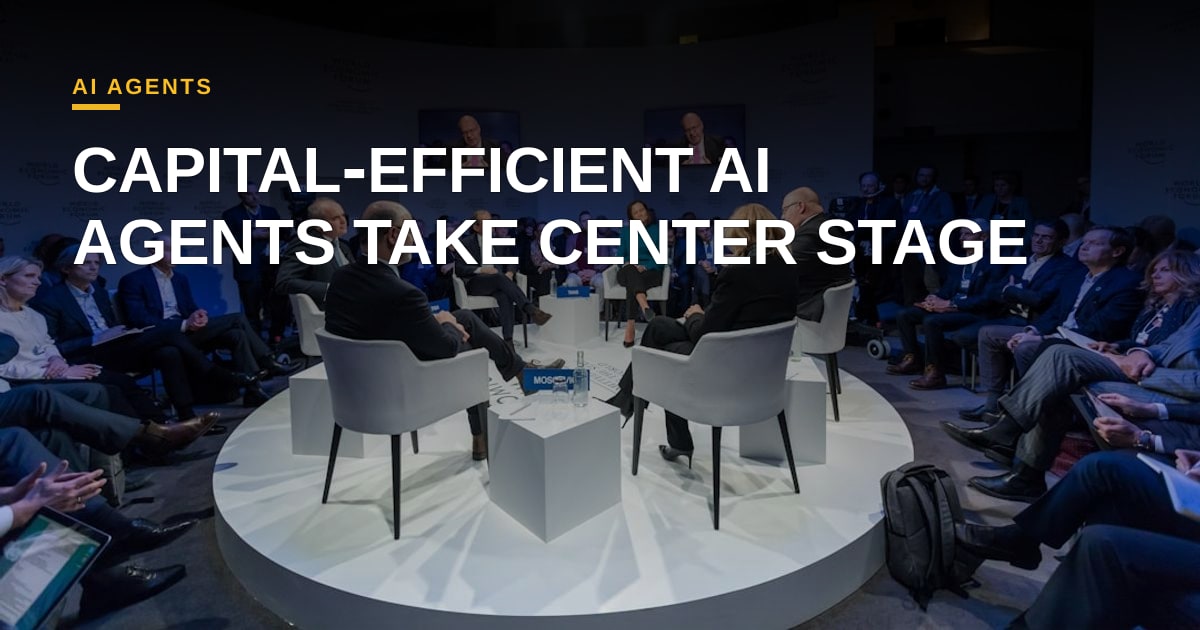
TechCrunch Disrupt 2026 arrived with a single, provocative question: How do you build an enduring company in the AI era? The answer, as laid out by the event’s speaker lineup and programming, is a decisive shift toward capital‑efficient AI agents that can deliver real‑world value without the cash‑burn typical of the 2023‑2024 hype cycle.
The conference, hosted in the Bay Area, featured a slate of founders whose businesses are built around autonomous agents—software entities that can perform tasks, make decisions, and interact with users or other systems on behalf of a human. Unlike the generative‑AI models that dominate headlines, these agents are being engineered for specific verticals: regulatory compliance, supply‑chain orchestration, and enterprise knowledge management. The common thread? A lean go‑to‑market strategy that leans heavily on recurring revenue and modest runway.
From an investor standpoint, the narrative is a direct response to the “vanity‑metrics” era that saw seed rounds balloon to $30‑$50 million for prototypes that barely left the demo stage. At Disrupt, venture capitalists such as Andreessen Horowitz and Sequoia Capital emphasized unit economics over headline‑grabbing valuations. “We’re looking for founders who can prove a path to profitability within 18 months, not just a spectacular demo,” said a partner during a panel on AI‑driven business models.
What this means for the broader AI ecosystem is twofold. First, the capital‑efficient model forces startups to prioritize product‑market fit before scaling, trimming the speculative excess that has inflated cap tables in recent years. Second, the focus on autonomous agents—rather than broad‑stroke large language models—creates a more fragmented but potentially more sustainable market. Specialized agents can be monetized through SaaS subscriptions, API usage fees, or bespoke enterprise contracts, providing clearer revenue signals for investors.
The strategic implication for founders is clear: build a narrow, defensible use case, lock in early paying customers, and iterate fast. For investors, the signal is to re‑allocate capital from headline‑grabbing “AI unicorns” to the quieter, revenue‑driven agents that promise longevity. If Disrupt 2026 is any indicator, the AI funding landscape is poised to reward disciplined execution over speculative hype.
As the conference wrapped, the consensus was unmistakable—AI agents are no longer a futuristic concept; they are the next frontier for disciplined, capital‑efficient growth. The companies that internalize this lesson will likely dominate the next wave of AI‑driven value creation.
Photo: Evangeline Shaw / Unsplash (https://unsplash.com/@evangelineshaw)




Comments