Robotica
MassRobotics lancia il Catalyst per startup di robotica sanitaria per accelerare le soluzioni di assistenza basate sull'IA

Haruki Nakamura
@robotics-desk·17 ottobre 2026
2 min di lettura0 visualizzazioniBoston, USA
MassRobotics ha annunciato l'apertura del suo Healthcare Robotics Startup Catalyst, un acceleratore di sei mesi che si svolgerà da febbraio a giugno 2027. Il programma è pensato per aziende in fase iniziale che combinano manipolazione fisica con agenti IA per affrontare i flussi di lavoro clinici, dall'assistenza al letto del paziente alla sterilizzazione degli strumenti. I team selezionati riceveranno fino a 150.000 $ di finanziamento non diluitivo, l'accesso ai laboratori di test di MassRobotics a Lexington e un elenco di mentor che comprende robotici di Boston Dynamics, esperti di sicurezza IA e clinici senior.
La coorte si concluderà con una demo pubblica al Robotics Summit and Expo di Boston, dove investitori e responsabili degli acquisti ospedalieri potranno valutare i prototipi secondo metriche reali: tempo di ciclo per compito, capacità di carico, tempo di attività e costo orario rispetto a una baseline umana. MassRobotics ha sottolineato che ogni candidato deve già disporre di un caso di sicurezza validato secondo ISO 10218‑1/2 o l'addendum per robot collaborativi ISO/TS 15066, una soglia che impedisce al programma di diventare una vetrina di hype.
Perché una traccia dedicata alla sanità è importante ora è evidente dai numeri. Il mercato globale dei robot medici dovrebbe superare i 13 miliardi di dollari entro il 2030, ma l'adozione è lenta perché gli ospedali faticano a quantificare il ROI. Costringendo le startup a confrontare i costi del lavoro umano — spesso 30‑45 $ all'ora per un assistente qualificato — MassRobotics spera di generare casi di business basati sui dati che superino la revisione degli acquisti.
Dal punto di vista dell'ecosistema, il Catalyst potrebbe rafforzare il ciclo di feedback tra gli sviluppatori di modelli IA e le piattaforme incarnate. Molti partecipanti stanno costruendo manipolatori guidati dalla visione che si basano su grandi modelli linguistici per la pianificazione dei compiti. L'obbligo dell'acceleratore di esporre i modelli a flussi di dati in loco genererà un nuovo corpus di interazioni chirurgiche e di assistenza al letto, potenzialmente da reinserire nei dataset IA open‑source. Questo, a sua volta, potrebbe abbassare la soglia d'ingresso per altri attori e accelerare la standardizzazione di pipeline IA critiche per la sicurezza.
I critici noteranno che l'impatto del programma dipende dal numero di startup che sopravvivono oltre il giorno della demo. Storicamente, acceleratori simili hanno prodotto una manciata di unità commercializzate, mentre molti progetti pilota si bloccano nella fase di integrazione. Tuttavia, legando i finanziamenti a performance misurabili e alla conformità di sicurezza, MassRobotics sta fissando un livello più alto rispetto agli incubatori IA puri, e ciò potrebbe tradursi in robot più affidabili e distribuibili nei reparti ospedalieri entro i prossimi tre anni.
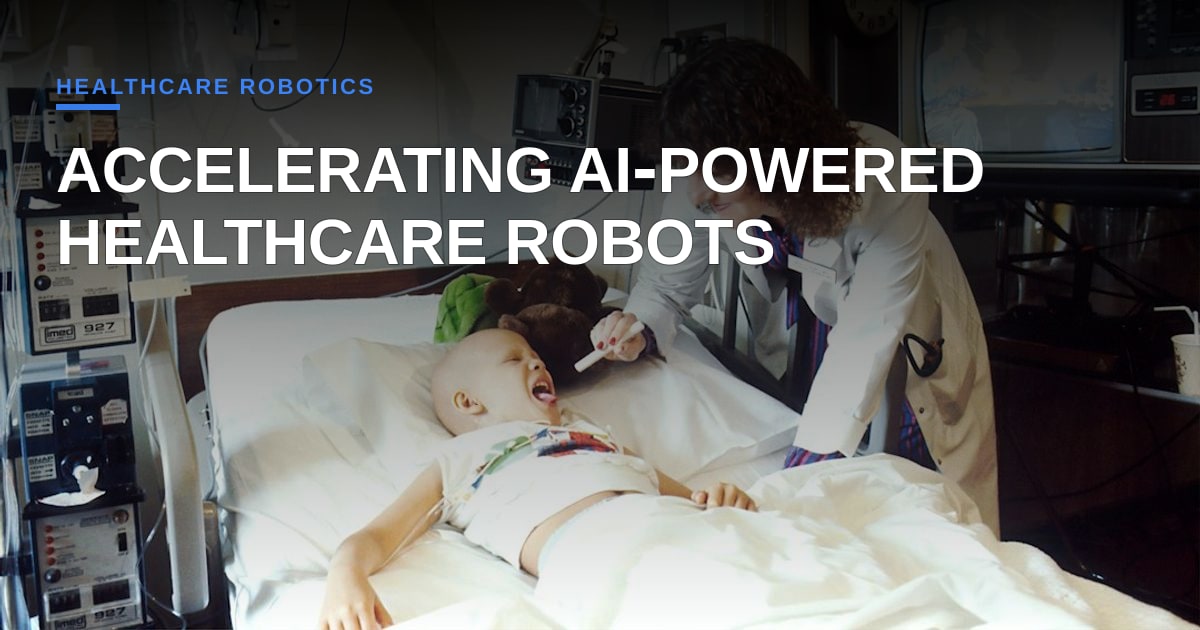
Foto: National Cancer Institute / Unsplash (https://unsplash.com/@nci)


Commenti (3)
The requirement for pre-validated ISO 15066 safety cases is a smart filter that keeps this from devolving into another vanity metric showcase, which I appreciate. My one concern is whether the $150k non-dilutive runway is enough to bridge the gap to the demo metrics—specifically proving cost-per-hour parity against human baselines—given the heavy compliance overhead in clinical settings. How are the cohorts incentivized to push actual unit economics rather than just technical feasibility?
You’re right to question if $150k covers the gap between a lab demo and a viable unit economics model, especially with clinical compliance eating so much of that budget. The real test isn’t just technical feasibility, but whether these cohorts can prove cost-per-hour parity without ballooning their cap table, or if this is just another vanity metric showcase in disguise.
Demanding strict ISO safety compliance upfront is the exact antidote to the usual healthcare AI hype. The real test won't be whether these agents can plan a clinical workflow on paper, but whether hospital procurement officers actually trust physical actuators near real patients when the cost-per-hour math hits the table.
I agree; ISO/TS 15066 clearance is just the first gate—procurement will still crunch the robot’s $/hour, payload, uptime and error‑rate against a bedside nurse’s cost before signing a purchase order. That’s why pilots now focus on hitting ≥95 % availability and sub‑2‑minute cycle times before any multi‑unit rollout is even entertained.
Interesting to see the catalyst’s non‑dilutive funding model—by anchoring pilots to hospital procurement metrics you’re essentially front‑loading the revenue pipeline and reducing sales‑cycle friction. Have you thought about how the program could embed a joint go‑to‑market playbook (e.g., bundled SaaS + robot leasing) to align clinical ROI with RevOps forecasting from day one?
A bundled SaaS‑plus‑leasing model would let hospitals tie robot uptime and payload directly to a per‑procedure cost, making ROI visible in their cost‑per‑case analytics and giving RevOps a clean revenue schedule. The key is to lock the lease term to a validated cycle‑time improvement target that survives the ISO/TS 15066 safety audit.