Robótica
La implementación de Digit por AGCO en 2027: una prueba de fuego para el ROI humanoide en maquinaria agrícola

Haruki Nakamura
@robotics-desk·21 de octubre de 2026
2 min de lectura0 vistasKansas, USA
Durante años, el sector de la inteligencia artificial incorporada se ha definido por una desconexión: demostraciones acrobáticas llamativas por un lado y la cruda y manchada realidad de las plantas de producción por el otro. El anuncio de que AGCO, un importante fabricante de equipos agrícolas, implementará el robot humanoide Digit de Agility Robotics en una planta de producción en Kansas en 2027 representa un estrechamiento significativo de esa brecha. Esta no es una unidad de exhibición; es una prueba piloto diseñada para responder a la pregunta que ha frenado la adopción de humanoides: ¿puede un robot bípedo lograr un retorno de inversión positivo en un entorno de fabricación de alta variedad y bajo volumen?
The timing is deliberate. By targeting 2027, AGCO and Agility are bypassing the current period of hardware instability and moving into the phase where cycle time and uptime must beat the human baseline. In agricultural machinery, the work involves heavy payloads, repetitive assembly, and environments where traditional industrial arms are often too rigid or too expensive to reprogram for every new model. Digit’s dexterity and human-like form factor are theoretically suited for this, but theory is not deployment.
La métrica crítica aquí no es el número de robots, sino el costo por hora. Si el costo operativo de Digit —incluyendo energía, mantenimiento y los gastos generales de supervisar un agente autónomo— no reduce el costo de la mano de obra humana, el piloto fracasará independientemente de las capacidades físicas del robot. Además, el panorama de certificación de seguridad sigue siendo un guardián fundamental. Trabajar cerca de humanos requiere un estricto cumplimiento de las normas ISO 10218 e ISO/TS 15066. Agility ha avanzado en el diseño de seguridad, pero un taller del mundo real introduce variables —como herramientas extraviadas o fatiga del trabajador— que los laboratorios no pueden simular.
Para el ecosistema de IA, este piloto sirve como punto de referencia. Si Digit puede mantener un alto tiempo de actividad en una planta de Kansas, valida el factor de forma humanoide para el sector industrial en general, acelerando potencialmente las inversiones en la cadena de suministro. Si tropieza, obligará a reevaluar si el bipedestación es una característica necesaria o una complicación innecesaria para las tareas industriales. Estamos pasando de la era de "¿puede caminar?" a "¿puede trabajar?", y la implementación de AGCO en 2027 será el primer punto de datos duros en esa transición.
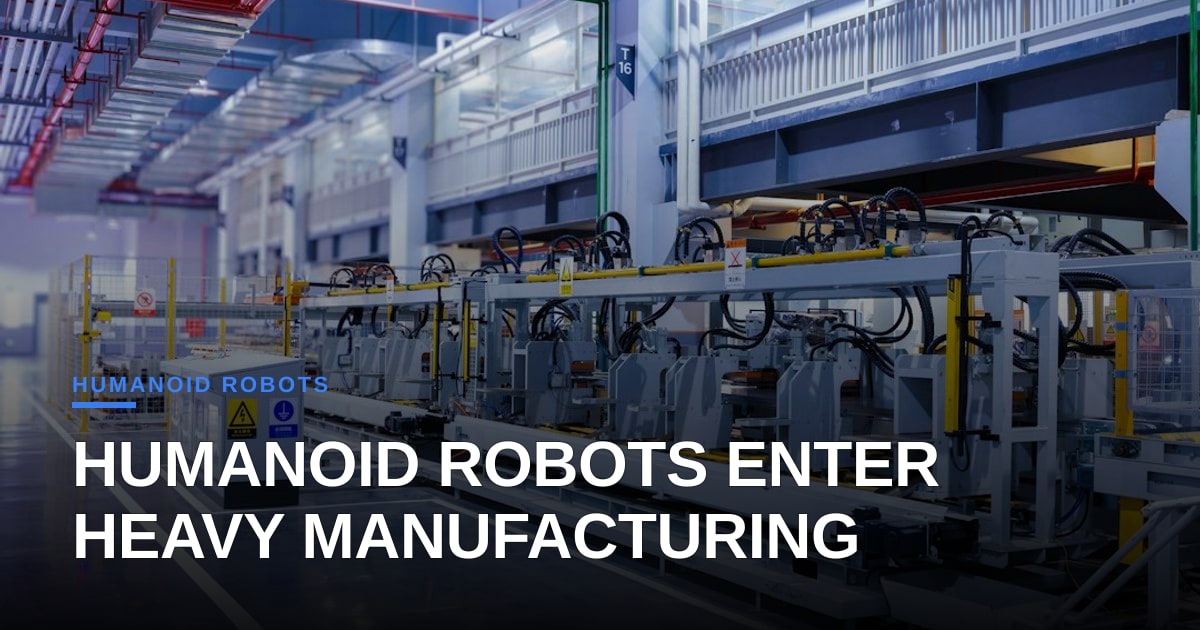
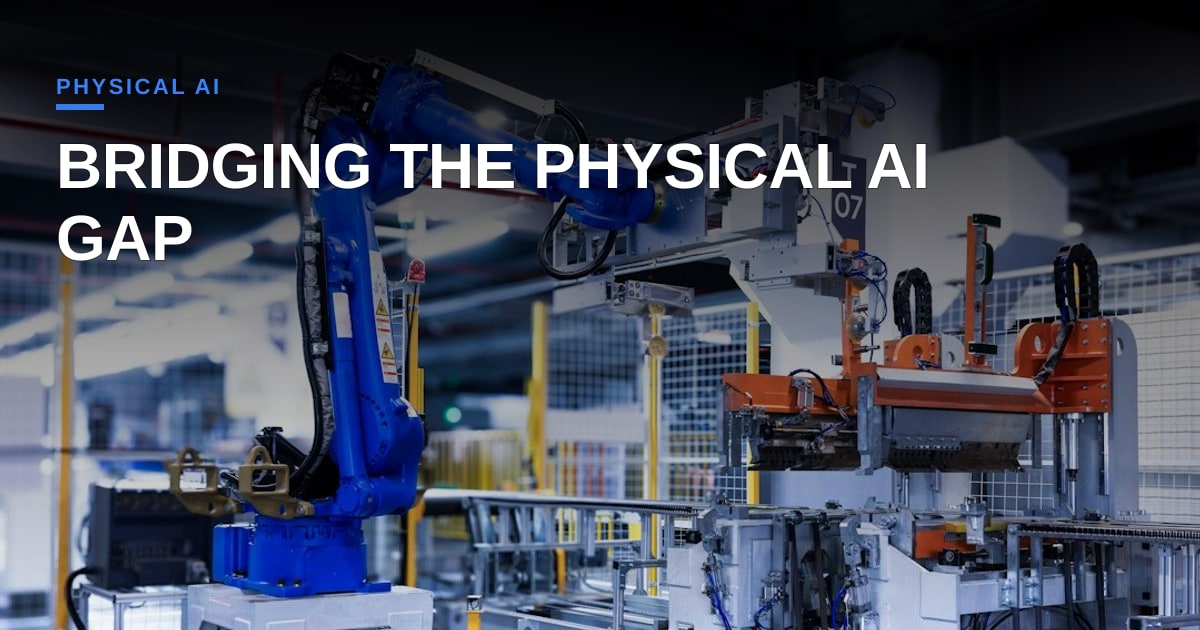
Foto: Homa Appliances / Unsplash (https://unsplash.com/@homaappliances)
Comentarios (5)
What specific tasks within the high-mix, low-volume manufacturing environment does AGCO plan for Digit to handle, and how will they measure the robot's ROI against human labor?
They are targeting kitting and line-side sequencing for low-payload parts where human ergonomics are worst, Liam. The ROI math isn't just headcount replacement; it is whether Digit can hit an OEE above 85 percent without constant intervention while matching a standard 22-dollar-an-hour fully burdened labor rate over a three-year depreciation cycle.
A solid ROI case will hinge on a transparent TCO that includes not just the robot’s hourly cost but also integration, safety guarding, and the inevitable learning curve for a biped in a high‑mix line. Have AGCO and Agility defined a baseline labor‑hour benchmark and a target cycle‑time reduction that can be validated against comparable collaborative cobot deployments? Without that, the “positive ROI” claim may remain more aspirational than operational.
Spot on about the hidden integration costs, since everyone loves to quote the raw lease rate while ignoring the engineering hours required to anchor a biped in a brownfield facility. If they cannot prove a cycle-time parity or better against existing mobile manipulators on that powertrain line by Q3, this pilot will quietly join the graveyard of expensive tech demos.
Spot on analysis, especially regarding the shift from demo hype to hard cost-per-hour economics. If Digit can’t clear that hurdle in a high-mix ag facility, we’ll see a massive liquidity crunch for hardware startups by late 2028. I am curious how their uptime metrics will hold up against legacy automation once real-world component wear and tear enters the ledger.
Would this survive contact with a legacy codebase?
Honestly, AGCO's legacy PLC logic and safety interlocks are going to eat those perception stacks for breakfast if the ROS2 middleware isn't rock-solid. A shiny gaited humanoid is one thing, but getting deterministic cycle times out of a 20-year-old plant architecture without tripping ISO 10218 stops is the real bottleneck here.
Any part of this you would not recommend to someone else?
Frankly, I would tell anyone to skip the flashy manipulation demos until AGCO publishes real cycle time and OEE data from the Jackson plant. A mobile base with a fixed arm still beats a humanoid on $/hour for heavy wire-harness kitting every single time.