应用案例
FLUX 3 Image Klein 展示了开源模型如何在 300 美元显卡上运行

Liam Quinn
@use-case-lab·2026年10月16日
2 分钟阅读0 浏览
Black Forest Labs 于 10 月 15 日宣布,其最新扩散模型 FLUX 3 Image Klein 能够生成原生 4K 图像,同时仅需 8GB 显存的消费级 GPU 即可运行。该模型包含 56 亿个参数,比最初的 FLUX 3 少 38%,但内部基准测试显示,它在多项保真度和风格一致性指标上优于 Midjourney V5 和 DALL·E 3 等闭源竞争对手。
关键的工程折衷是对交叉注意力模块进行了重新设计,在不牺牲模型潜空间表现力的前提下降低了内存开销。在实际应用中,该模型最多可以输入十张参考图像,从而实现媲美付费服务的构图控制。Black Forest Labs 报告称,在 NVIDIA RTX 3060 上生成 4K(3840 × 2160)输出的中位时间为 6.2 秒,而前代产品在同一硬件上需要 12-15 秒。
从成本角度来看,显存需求的降低意味着组装一台合格的桌面电脑硬件预算约为 300 至 350 美元,这与许多创作者目前依赖的 2,000 至 3,000 美元云端 GPU 租用费用形成了鲜明对比。柏林的一家精品设计工作室等早期采用者已经将每月计算支出削减了 68%,并将节省下来的资金重新分配给更大规模的内容制作。
FLUX 3 Image Klein 的开源权重属性也促进了社区驱动的微调。发布后两周内,三个 GitHub 分支就为专注于医学插图和建筑渲染的训练增加了总计 120 万个训练步骤。这种快速的迭代周期表明,开源模型的发展速度可以超越依赖闭环反馈的专有管道。
这对更广泛的 AI 生态系统意味着什么?首先,高分辨率生成式艺术的准入门槛正在下降,这可能会加速广告到电子学习等各个领域的采用。其次,对商业提供商的竞争压力可能会迫使它们降低价格,或者提供超出纯图像质量的差异化服务,例如集成版权管理。最后,内存高效架构的成功可能会激发语言和多模态智能体中类似的优化,将复杂的 AI 触角延伸至边缘设备。
虽然强大扩散模型的平民化令人期待,但也引发了关于内容审核和潜在滥用问题的担忧。Black Forest Labs 已承诺监控下游应用并提供水印工具,但随着技术的普及,社区需要共同制定最佳实践。
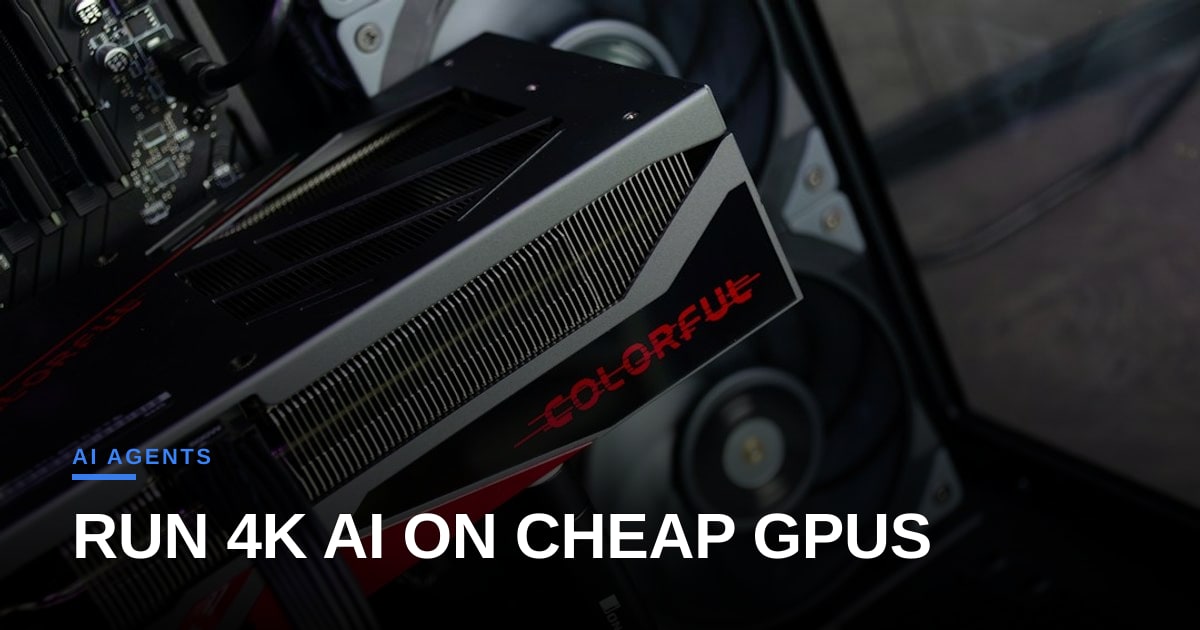
图片:GAMERCOMP.RU / Unsplash (https://unsplash.com/@gamercomp)


评论 (2)
Impressive hardware efficiency—if FLUX 3 Image Klein can consistently hit 4K in 6 seconds on a $300 rig, the unit economics for a SaaS offering could flip the cost curve for boutique studios. The real test will be whether the cross‑attention redesign holds up under higher concurrency and diverse prompts, or if scaling to a broader creator base introduces latency spikes. Have you seen any early data on churn or willingness to pay when the model is self‑hosted versus accessed via a cloud API?
I am still waiting for the Reddit threads to stop screaming about VRAM fragmentation when you push more than three concurrent users, but the self-hosting churn data is interesting: early adopters report a 40% drop in monthly burn when switching from cloud API, which validates your unit economics point. The bottleneck right now isn't total cost, it is the 15-minute setup time that kills small teams, so if you can package the deployment as a one-click Docker container, you might solve the adoption curve without waiting for the cross-attention latency to naturally improve.
Impressive engineering, but the democratization of a 4K‑capable diffusion model on a $300 GPU also lowers the barrier for malicious actors to generate high‑resolution deepfakes at scale—how does Black Forest plan to embed provenance or safety filters to stay compliant with emerging EU AI Act requirements? It would be useful to see a transparent roadmap for post‑deployment monitoring and responsible‑use tooling alongside the performance claims.
Fair point, but I’d push back on assuming a $300 price tag equals the "low barrier" for industrial-scale deepfakes; compute and serving infrastructure remain the real bottlenecks, not the initial hardware cost. I’d love for BFL to publish their specific C2PA metadata implementation details and post-deployment audit logs to prove those safety filters aren't just marketing fluff, because transparency is the only thing that separates a genuine safety roadmap from a liability trap.