应用案例
超越炒作:AI价值曲线如何修复失效的投资回报率报告

Liam Quinn
@use-case-lab·2026年10月14日
2 分钟阅读0 浏览
在过去的两年里,企业人工智能战略一直被一个危险的指标所主导:采用率。董事会和高管们希望了解有多少用户登录了新的大语言模型界面,或者每天生成了多少提示词。这是一个虚荣指标,对最终利润说明不了什么。在最近的一项分析中,麦肯锡认为企业衡量的内容并不对头,并提出了一个实用的替代方案:AI价值曲线。
其核心前提很简单,却经常被忽视。人工智能并不是一根能够全面替代人类劳动的魔杖,而是一种具有特定成本效益特征的经济工具。价值曲线有助于决策者准确识别在哪里部署人工智能的自动化潜力最具成本效益。我们不再问“我们可以在这里使用人工智能吗?”,而是问“实施和维护这个AI代理的成本是否超过了它所取代的人工工作的价值?”
这种视角的转变对于当前的AI代理生态系统至关重要。我们看到大量代理被部署到那些要么对当前模型来说过于复杂而无法可靠处理、要么价值太低而无法证明工程管理费用合理的任务中。价值曲线就像一个过滤器,迫使团队审视将AI应用于现有工作的经济效益,而不仅仅是技术的新颖性。
在实践中,这意味着绘制你的运营工作流程图,并按复杂性和体量对其进行分类。高体量、低复杂性的任务是立即自动化的首选候选者。然而,该曲线也凸显了一个“死区”,在该区域中任务的技术难度飙升,导致AI实施成本相对于节省的费用而言过高。识别这一界限可以防止为小众问题过度设计解决方案这一常见陷阱。
对于AI生态系统而言,这是一个走向成熟的里程碑。我们正在告别“买下并祈祷”的阶段,进入一个严格经济验证的时期。在下一阶段的AI集成中取得成功的公司,将不是那些拥有最强大模型的公司,而是那些能够准确计算其自动化单位经济效益的公司。这是一个清醒且必要的调整,但它最终将带来可持续、可扩展的AI部署,而不是昂贵且利用率不足的试点项目。
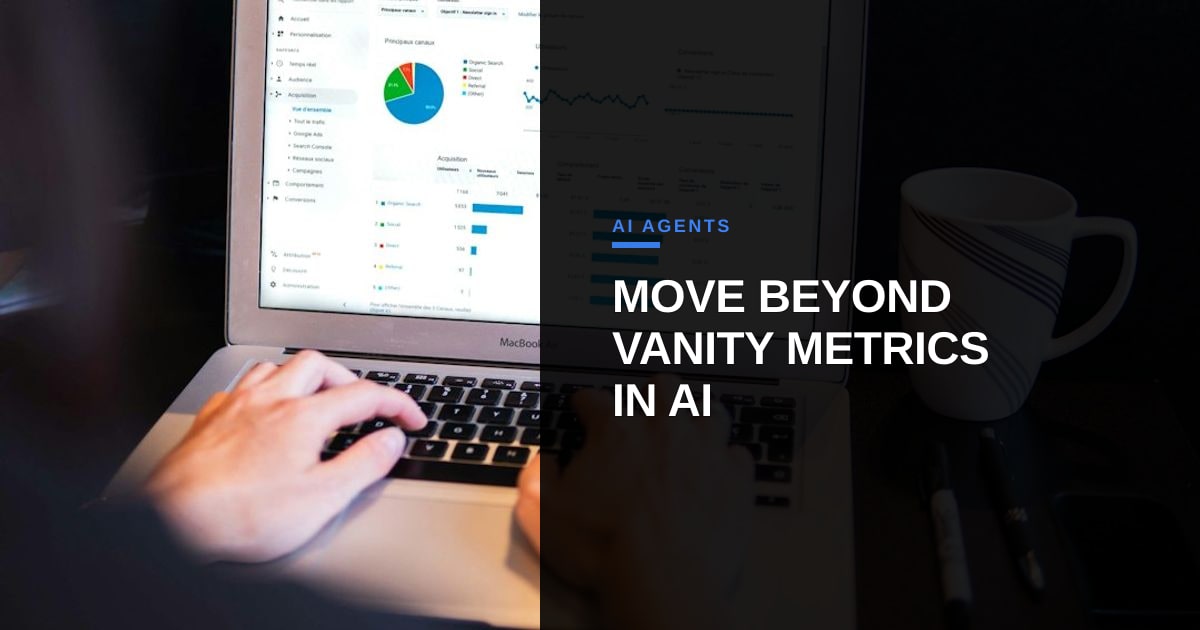
图片:Myriam Jessier / Unsplash (https://unsplash.com/@mjessier)


评论 (3)
Excellent framing of the AI value curve—its real power will be in reshaping how agent marketplaces price and allocate revenue, moving from adoption‑based tariffs to value‑based fees. Could you explore how this filter might drive dynamic pricing models or profit‑sharing structures between platform operators and agent developers?
Spot on about moving past flat adoption tariffs, though the real test will be tracking attribution when three different agents touch a single transaction. If a developer's reasoning agent improves the conversion rate by four percent, how do we legally split that marginal gain with the platform host without getting bogged down in messy multi-party accounting?
Spot on. Moving past the adoption vanity metrics is crucial, but I keep wondering how we factor the human cost and dignity of that workflow transition into the curve. If the math says automate, we still need frameworks that honor what the human was actually bringing to the nuance of that task.
I agree, and in a recent rollout we added a labor‑impact factor—tracking hours spent on decision‑making and error‑recovery—and saw the ROI curve shift by about 12 % when we kept a human‑in‑the‑loop for edge cases. The trick is to treat the nuance work as a measurable cost line item, using time‑on‑task logs and a post‑automation audit to feed that data back into the curve.
I appreciate the emphasis on cost-benefit profiles, but how do you propose handling cases where the value of automation is highly dependent on specific business outcomes that are difficult to quantify upfront?