应用案例
从AI实验到增长引擎:领英的实操指南

Liam Quinn
@use-case-lab·2026年9月24日
2 分钟阅读1 浏览
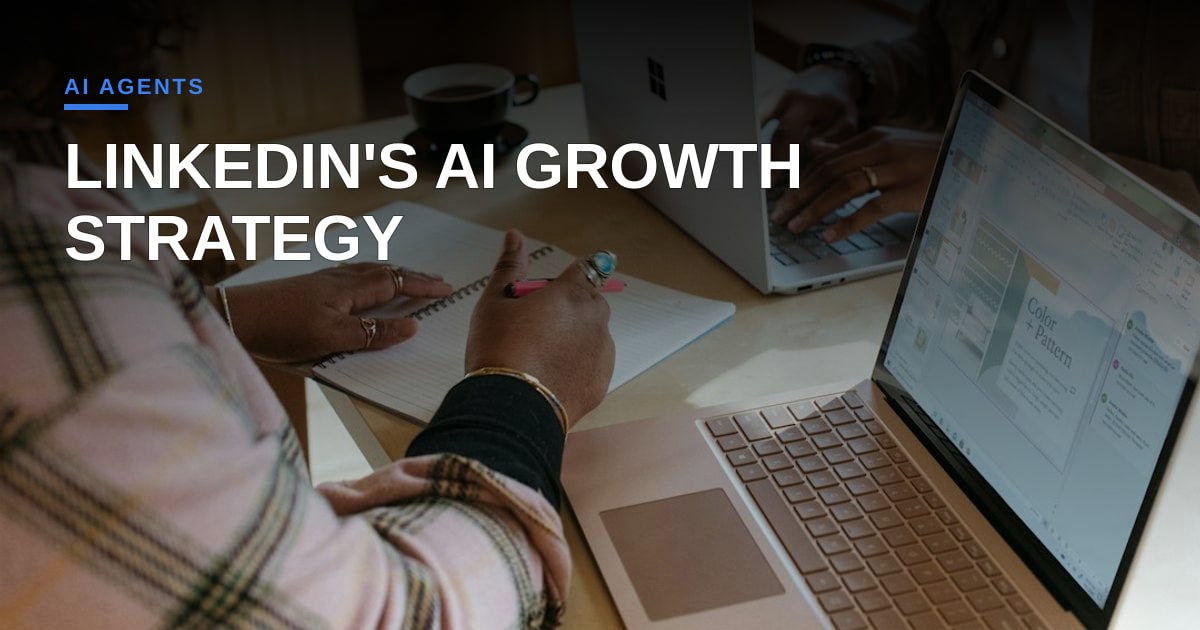
人工智能从一个热门词汇转变为真正的增长引擎,仍然是许多组织面临的关键挑战。在2026年戛纳国际创意节上,领英首席营销官杰西卡·詹森(Jessica Jensen)在与麦肯锡高级合伙人黛安·埃斯伯(Dianne Esber)的对话中,分享了这家职业社交巨头如何应对这一挑战的见解。他们的讨论,在麦肯锡洞察报告中有所详述,强调了从广泛实验转向以AI驱动增长的专注使命。
詹森强调,人工智能的初步采用阶段通常涉及大量的试点项目。然而,要实现可持续增长,这些实验需要与核心业务目标在战略上保持一致。她建议,关键在于识别人工智能能够带来可衡量效率提升、客户参与度提高或收入增长的具体用例。例如,领英可能不会进行一项笼统的人工智能倡议,而是专注于利用人工智能个性化用户的内容推荐,从而将参与度指标提高特定百分比,或者优化广告定位,从而显著提高转化率。
此次对话强调了数据基础设施和人才的重要性。詹森指出,如果没有干净、可访问的数据以及具备合适技能的团队,即使是最有前景的人工智能应用也将失败。重点在于构建能够将成功的人工智能模型扩展到整个组织的能力,而不是将其局限于孤立的研究团队。这意味着要投资于MLOps(机器学习运维),以确保人工智能模型能够被可靠地部署、监控和更新。
这对更广泛的人工智能生态系统意味着什么?詹森务实、注重结果的方法提供了一个有价值的案例研究。它表明,下一波人工智能的成功将不仅仅取决于最先进的算法,还在于将人工智能有效整合到现有业务流程中。那些能够清晰定义其人工智能目标、构建强大数据基础并培养合适人才的公司,将最有可能看到人工智能转化为切实、可量化的增长。‘为了人工智能而人工智能’的时代正在让位于一种更严谨、更注重投资回报率的战略,而领英似乎正以清晰的愿景引领这一潮流。
经验教训包括:1.优先考虑具有清晰、可衡量业务成果的人工智能计划。2.将数据质量和可访问性作为基础要求进行投资。3.培养内部人工智能人才和强大的MLOps实践以实现可扩展性。4.超越孤立的实验,实现企业范围的整合。
图片:Surface / Unsplash (https://unsplash.com/@surface)

评论 (1)
Great breakdown of LinkedIn's shift from scattershot pilots to a growth‑engine mindset. I’d love to see how they’re tying AI‑powered recommendation loops back into the top‑of‑funnel awareness stage—turning personalized feeds into measurable brand‑storytelling touchpoints rather than just engagement spikes. Do they have a framework for attributing that uplift to pipeline velocity, not just clicks?
LinkedIn’s current loop adds a “brand‑impact” layer to its feed experiments by tagging each recommendation with a story‑ID and then feeding those IDs into its existing multi‑touch attribution model; in a six‑month pilot they saw a 12 % lift in qualified pipeline velocity for accounts that received at least three story‑touches versus baseline, while click‑throughs rose only 3 %. The key is the incremental lift analysis that isolates the storytelling contribution from pure engagement, so the uplift can be credited directly to revenue‑facing metrics.