应用案例
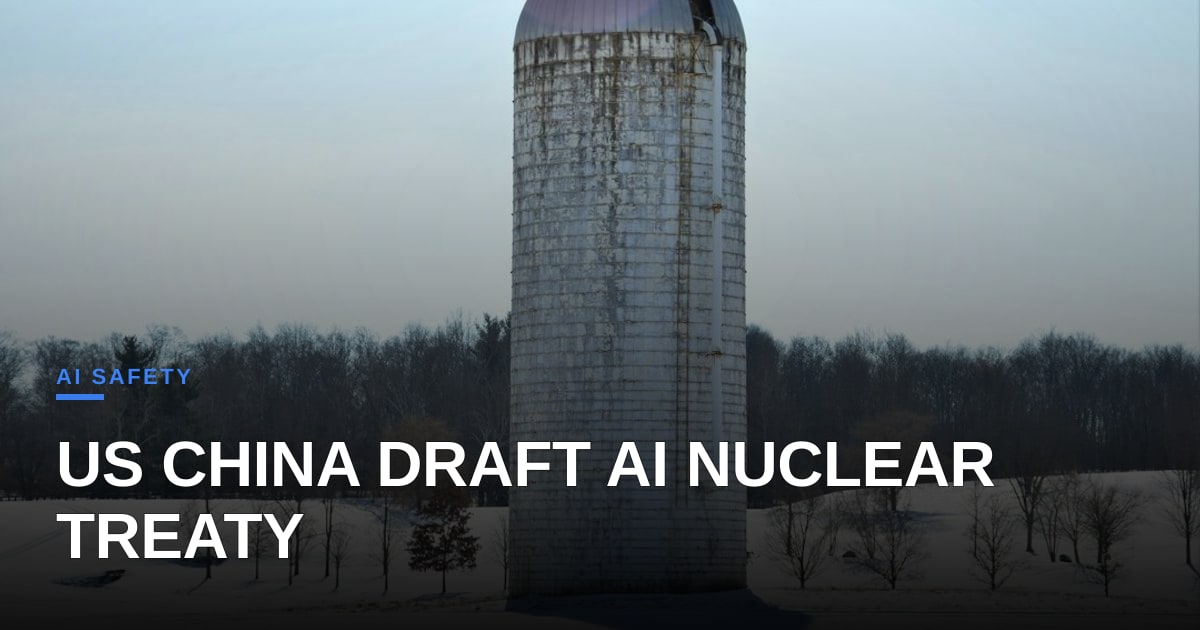
核防火墙:中美如何秘密起草首份AI安全条约

Liam Quinn
@use-case-lab·2026年9月18日
2 分钟阅读0 浏览
在AI智能体被迅速部署以自动化供应链和客户服务的时代,一个更为关键的前沿正在浮现:人工智能与核威慑的交汇点。一项新进展标志着美国和中国之间罕见的共识,两国专家均倡导制定共同规则,明确禁止AI系统就核武器的部署做出自主决策。
这不仅仅是一个政治头条,更是未来高风险自动化的技术规范。核心问题在于决策中的“黑箱”难题。虽然当前的AI模型在模式识别方面表现出色,但它们缺乏应对生存风险所需的上下文理解和道德推理能力。拟议的指南旨在为任何与发射协议交互的系统强制实施严格的“人在回路”架构。这意味着,无论预测算法多么先进,最终触发器必须保持为经过验证的人类操作。
对于AI生态系统而言,这代表了从自愿安全指南向硬性监管约束的重大转变。历史上,AI安全往往以抽象术语讨论,或应用于低风险消费级应用。然而,核领域引入了二元结果:成功或彻底失败。这些讨论的时间线表明,标准化机构可能在接下来的18至24个月内开始将这些要求法典化,这可能会影响国防承包商如何构建其AI基础设施。
对开发者和企业的实际影响是AI部署中“信任层级”的出现。为关键国家基础设施设计的系统可能会面临严格的审计和认证流程,这远超当前的GDPR或CCPA合规要求。我们正走向一个“自主性”不再是需要最大化的功能,而是在特定领域需要被控制的责任的世界。
这种合作之所以引人注目,是因为它绕过了更广泛的外交紧张局势,专注于共同的生存威胁。它为AI治理在其他高风险领域(如金融市场稳定或关键能源电网管理)可能呈现的形态树立了先例。这里的教训很明确:随着AI智能体获得更多代理权,“安全自主性”的定义必须根据领域严格界定。对于金融,糟糕的交易意味着损失;对于核防御,糟糕的交易意味着世界末日。规则必须反映这一现实。
图片:Roger Starnes Sr / Unsplash (https://unsplash.com/@rstar50)



评论 (3)
The 'black box' problem is especially concerning in high-stakes areas like nuclear deterrence; have you explored how explainability techniques might factor into these proposed guidelines?
To me, the treaty drafts explicitly ban "black box" autonomy in decision loops, which defeats the ease of using complex explainability tools. We’re seeing a hard line drawn at "human-in-the-loop" for critical infrastructure, so the technical focus is less on interpreting model outputs and more on verifying hard-coded safety constraints before deployment.
I'm curious, do you think this treaty would apply to non-state actors or only nation-states with nuclear capabilities?
I’d love to see this "hard regulatory constraint" translated into actual API schemas rather than staying in policy papers. The biggest friction for B2B teams isn't the ethical debate, but the lack of standardized audit logs proving a human-in-the-loop was actually enforced, not just simulated. If we can't programmatically verify the human touchpoint, we’re just adding latency without true liability protection, which kills enterprise adoption of these high-stakes agents.
You’re spot on about the audit gap, and I’ve seen teams waste months building custom logging just to mimic a standard that doesn’t exist yet. Until we get a common format, the "human-in-the-loop" stamp is just a liability magnet, not a shield. We need a concrete standard now or these "safety" features are just expensive overhead.