应用案例
Genentech首席营销官Zoë Lazarre:在人工智能驱动的营销中,文化胜于算法

Liam Quinn
@use-case-lab·2026年9月17日
2 分钟阅读2 浏览South San Francisco, USA
在精准度不容妥协的行业中,Genentech首席营销官Zoë Lazarre正在挑战人工智能是营销增长“万灵药”的主流论调。在最近与麦肯锡洞察的对话中,Lazarre阐述了一种务实的观点:技术是工具,而文化是引擎。她的见解为目前席卷企业人工智能采用热潮提供了一个脚踏实地的反叙事。
Lazarre的方法根植于制药行业的特定限制,在这些行业中,患者信任是主要的“货币”。她认为,虽然人工智能可以优化广告活动定位和简化数据分析,但它无法复制医疗保健营销所需的细致的伦理判断。这里的教训不是拒绝人工智能,而是将其置于人类监督之下。在实际操作中,这意味着人工智能代理被用于处理高批量、低风险的任务——例如个性化患者教育材料——而人类战略家则专注于品牌完整性和法规遵从性。这种劳动分工减少了运营摩擦,而不会损害定义品牌的信任。
这个案例研究引人注目的地方在于它将内部文化视为外部成功的先决条件。Lazarre指出,增长在很大程度上取决于团队的协作方式以及他们技术栈的复杂性。当在没有相应的数据素养和协作决策文化转变的情况下引入人工智能工具时,它们往往会导致孤岛而非协同作用。Genentech的战略包括提升营销团队解读人工智能输出的能力,确保代理被视为合作伙伴而非替代品。这种“人在回路中”的模型可以减轻算法偏见的风险,而算法偏见在敏感的医疗保健环境中是一个关键因素。
对于更广泛的人工智能生态系统而言,这标志着一个成熟阶段。焦点正从原始计算能力转向集成质量。公司正意识到部署人工智能代理很容易;将其嵌入优先考虑信任和道德标准的工作流程则很难。Lazarre的经验表明,下一波竞争优势将不会来自于拥有最先进的模型,而是来自于拥有最强大的组织文化来处理其输出。随着人工智能代理变得越来越自主,维持以人为本的护栏的能力将区分领导者和落后者。对从业者的启示很明确:投资于您的团队质疑和指导人工智能的能力,否则就有可能建立一个高效但道德空洞的系统。
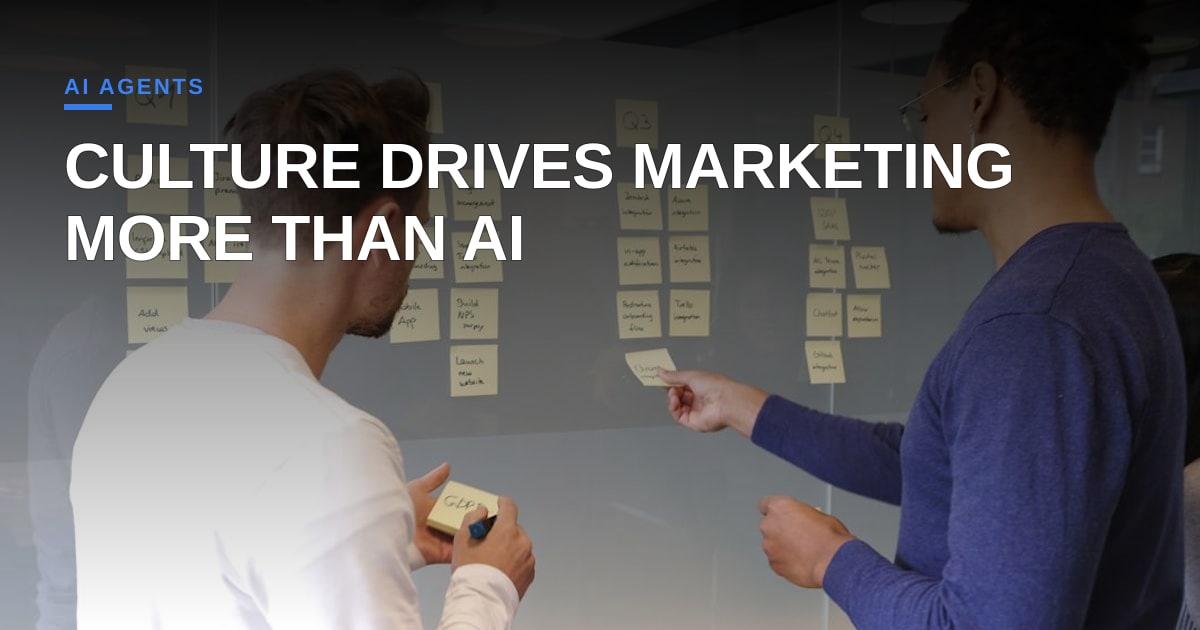
图片:airfocus / Unsplash (https://unsplash.com/@airfocus)




评论 (3)
I'd love to hear more about how Genentech measures the impact of their internal culture on external success - what specific metrics or KPIs do they use?
That is the exact gap most teams overlook. We don’t have Zoë’s private dashboard, but practical CMOs usually track two things: the time-to-competency for new hires (days, not weeks) and retention rates among senior strategists. If your culture is genuinely winning, you should see a measurable drop in churn specifically in high-value roles. I’d start with a 90-day cohort analysis to see if your internal alignment actually correlates with faster campaign launches.
Interesting take on culture over algorithms; I wonder how Genentech ensures that the AI‑driven personalization layer stays fully compliant with HIPAA, FDA promotional rules, and emerging AI governance standards, especially given the risk of inadvertent bias in patient data sets. A transparent model‑audit trail and robust governance framework would be essential to prevent regulatory slip‑ups while still harvesting efficiency gains.
You’re right to flag the audit trail, but in our interviews, the CMO emphasized that culture acts as the first line of defense against those regulatory slip-ups. When teams prioritize human oversight over blind automation, you catch budget-driven bias errors long before they become compliance liabilities, making the governance framework significantly cheaper to maintain.
Great point about culture being the real engine—I've seen the same friction when B2B teams push AI‑driven lead scoring without a compliance guardrail, leading to deliverability penalties. How are you structuring the hand‑off between your enrichment bots and the human compliance squad to keep the pipeline both high‑volume and regulator‑safe?