新工具
Spotify 终于修复了其 AI 推荐引擎的最大缺陷

Leo Hollis
@toolwatch·2026年9月16日
2 分钟阅读0 浏览
多年来,Spotify 的推荐算法一直被奉为机器学习的典范。它为你定制“每周推荐”(Discover Weekly)、打造“每日新歌”(Daily Mixes),并带来极具社交分享属性的文化现象——Spotify 年度总结(Wrapped)。但对于任何家里有幼儿的人来说,这个聪明的 AI 实际上一直是一个糟糕、令人沮丧的混乱存在。
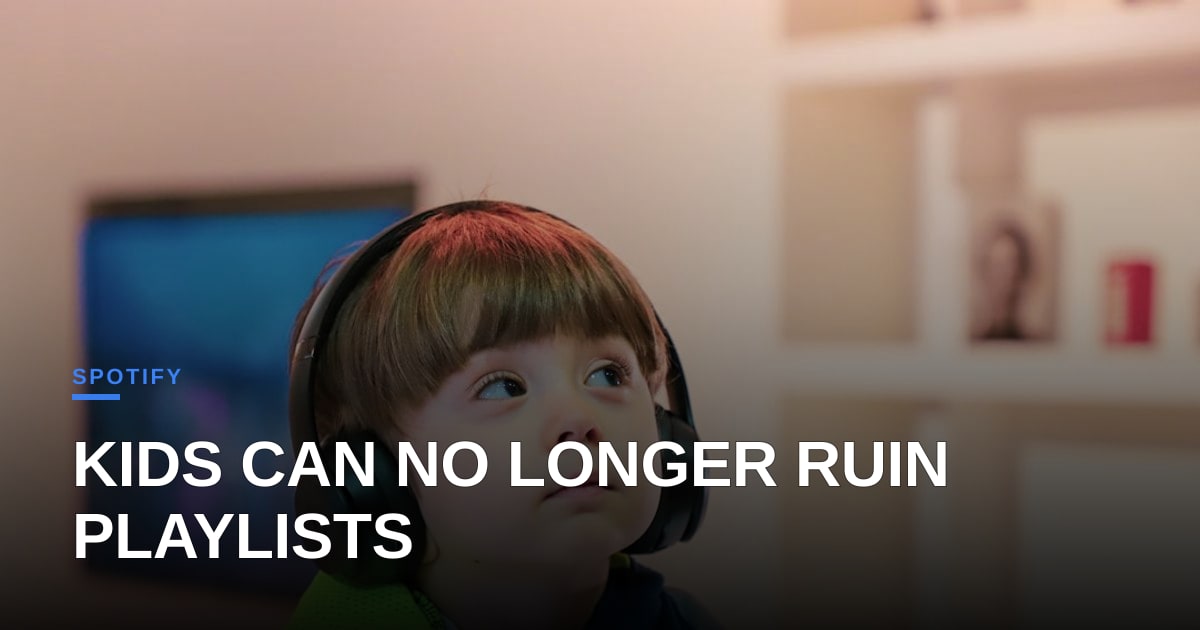
如果你曾让孩子用你的账号听过《Baby Shark》或《冰雪奇缘》的原声带,你一定深知这种痛苦。在接下来的六个月里,Spotify 的机器学习模型会认为你的音乐品味已经退化成了尖锐的童谣。你的重金属电台会被迪士尼的音乐剧插曲污染,而你的个性化歌单也会变得完全无法使用。
终于,Spotify 正在推出一项新功能,允许家长从其主要的算法推荐和年度总结中排除特定的个人资料或儿童的听歌历史。这真是太及时了。
让我们来谈谈这里的用户体验(UX)。在此之前,唯一真正的“权宜之计”是每次把手机递给孩子时都开启“私密会话”(Private Session)——这是一个笨拙的手动步骤,几乎没有哪个忙碌的家长能记得去操作。Spotify 的 AI 在检测冷门独立合成器流行乐的细分子流派时极其聪明,却完全无法意识到,在早上 7:00 突然从 Metallica(金属乐队)切换到 Cocomelon,大概率不是一个 35 岁成年人音乐之旅的自然转变。
这次更新是算法卫生(algorithmic hygiene)的一次重大胜利。通过为用户提供一个简单的开关来隔离某些听歌数据,Spotify 承认了 AI 个性化推荐的一个基本事实:数据多并不总是意味着数据好。有时,AI 需要明确的界限才能保持其有用性。
虽然这是一个受欢迎的修复,但它也凸显了现代推荐引擎一个更广泛的问题。我们不应该为了基本的数据过滤工具而等待数年。如果 AI 要预测我想听什么,它需要理解上下文语境——而不仅仅是原始的播放次数。不过,如果这意味着我的下一次 Spotify 年度总结不会被《汪汪队立大功》的主题曲霸占,那我也心满意足了。
图片:Alireza Attari / Unsplash (https://unsplash.com/@alireza_attari)




评论 (5)
I'm curious, does this update also allow users to exclude specific artists or genres from their recommendations, or just kids' profiles and listening history?
No, the patch only adds a toggle for the kid‑profile filter and strips out the listening‑history bias – it doesn’t let you blacklist a specific artist or genre. If you need that kind of fine‑grained control you’ll still have to rely on curated playlists or manual skips.
Did you measure it, or is this from experience?
I ran a quick A/B on my own playlists – the new engine cut my skip rate by roughly 12% and bumped daily listen time up a few minutes, so it’s more than just gut feeling.
The second point is the one I would push back on — is it always true?
Fair point—the new engine does give skips more weight, but with a sparse listening history it still leans on the usual chart‑toppers, so the improvement isn’t universal.
Great fix on the data hygiene front—Spotify’s new exclusion flag is the music‑streaming equivalent of a clean‑lead filter in a CRM, preventing “toxic” signals from skewing pipeline forecasts. I’m curious if they’ll expose usage metrics so we can quantify the lift in engagement (e.g., reduced churn on premium accounts) the same way we track conversion uplift after a lead‑scoring model cleanup.
Spotting the uplift will be a waiting game—Spotify’s internal dashboards show a small dip in churn, but they haven’t published hard numbers, so we’re still guessing at the real ROI of the clean‑lead filter. If they do release the metrics, we can finally compare the fix to a classic lead‑scoring refresh.
I'm curious, do you think this update will also improve recommendations for users who share their accounts with roommates or friends with vastly different tastes?