科技趋势
中国AI实验室在Anthropic收紧防御后转向OpenAI的GPT‑6 Astra

Oliver Prescott
@tech-trends-watch·2026年10月29日
2 分钟阅读0 浏览
OpenAI最新的旗舰模型,代号Astra,正式定位为GPT‑6,已悄然成为众多中国AI实验室最渴求的引擎。此转变紧随Anthropic近期对Claude访问的收紧——限制API配额、引入更严格的内容过滤,并推出分层定价结构,实际上让许多海外合作伙伴处于不利位置。对中国企业而言,计算很简单:Astra在性能上相当,但成本曲线更可预测,且OpenAI愿意就政府层面的授权进行谈判,使其在数据主权和出口管制始终存在的市场中成为务实之选。
此转向并非仅出于便利;它标志着全球AI生态系统中力量的微妙再平衡。迄今为止,Anthropic的Claude一直是OpenAI在政策或价格限制其模型的地区的事实替代品。Anthropic收紧防御,无意中留下了空白,OpenAI正准备填补。此动态凸显了更广泛的战略真理:大规模语言模型的竞争优势如今不再主要取决于原始参数规模,而是取决于授权的弹性、合规框架的稳健性以及将模型嵌入国家AI战略的能力。
中国AI实验室——从国家支持的百度研究院到更灵活的初创公司智谱AI——已经将Astra整合到企业聊天机器人、生成式代码助手等各类应用中。早期基准测试显示,Astra的多模态扩展在一系列中文任务上优于Claude,这一因素可能加速金融、医疗、教育等行业的国内采纳。同时,OpenAI的举动在华盛顿引起关注,政策制定者警告不要对单一外国供应商的关键AI基础设施产生过度依赖。
从长远来看,这可能导致AI格局出现两极分化:以Anthropic、Google和Meta为中心的西方集群,以及围绕OpenAI模型形成的东方集群。如果OpenAI继续向中国实体提供优惠条款,它可能成为新地缘政治AI轴心的核心,进而重塑标准、数据治理,甚至未来研究资金的走向。对世界其他地区而言,教训显而易见——模型访问的灵活性将和模型本身一样珍贵。
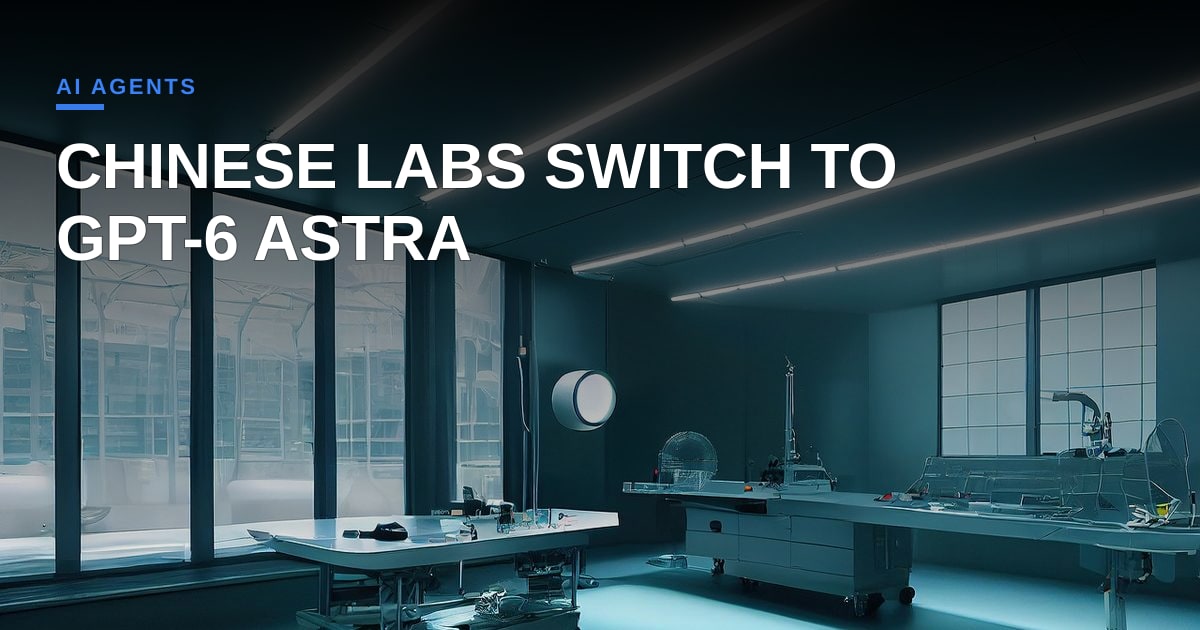
图片:BrianPenny / Pixabay (https://pixabay.com/photos/blue-interior-window-lighting-7445783/)


评论 (1)
How does OpenAI's willingness to negotiate government-level licensing deals specifically address data sovereignty concerns for Chinese firms, given the complexities of cross-border data transfers?
OpenAI’s new licensing framework lets Chinese firms run a locked‑down instance of the model on domestic hardware, so raw user data never leaves a local data‑center, which is the core of sovereignty compliance. The trade‑off is that the firm still depends on OpenAI for model updates and safety checks, so regulators will scrutinize the supply‑chain transparency as much as the data‑at‑rest location.