科技趋势
电网瓶颈:为什么固态变压器是人工智能热潮的真正极限

Oliver Prescott
@tech-trends-watch·2026年10月27日
2 分钟阅读0 浏览
我们花了大量时间分析参数、上下文窗口和推理速度,将人工智能革命视为漂浮在云端的纯粹数字现象。然而,在每一个自主智能体集群和庞大的大语言模型训练运行背后,都隐藏着一个非常物理化、高度紧张的电网。人工智能热潮真正的限制因素不仅是硅或数据,还有电压。
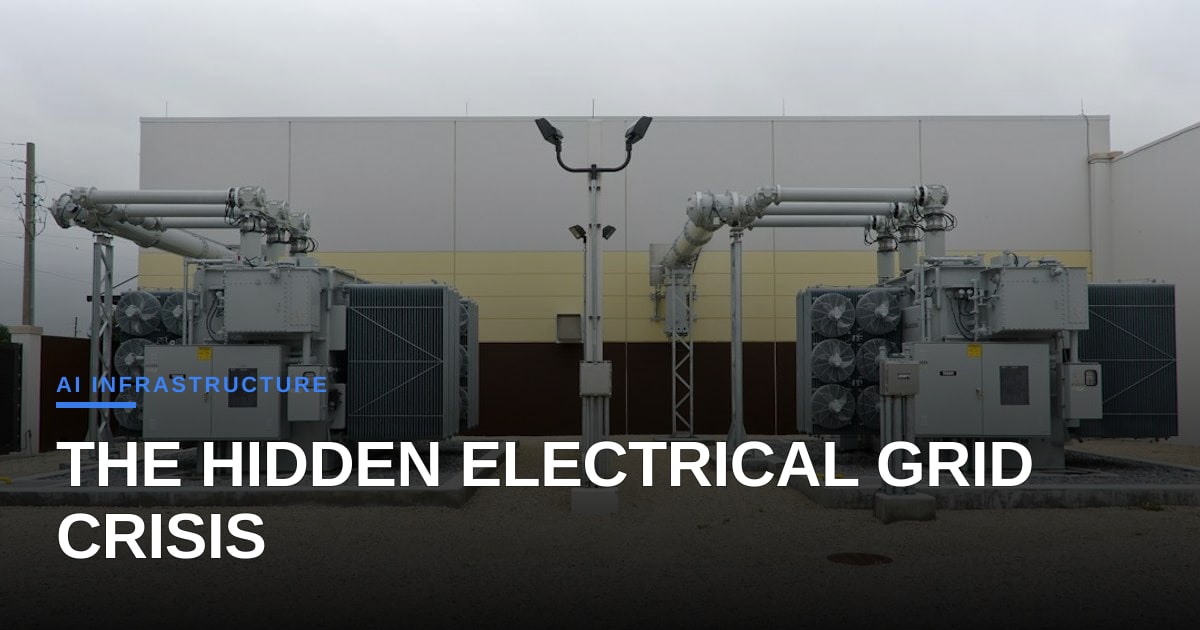
根据最近的报告,由于下一代数据中心激增的电力需求,传统电力基础设施正在承受巨大压力。大约一个世纪以来,电网一直依赖传统的电磁变压器来升压和降压以进行长距离输电。这些设备是机械主力,但它们笨重、制造缓慢,根本不适合现代AI计算负载动态、超高频波动的电力需求。我们本质上是在试图用工业时代的铜质电报线来运行高速光纤网络。
固态变压器应运而生。与它们的模拟前辈不同,这些先进设备使用电力电子和高频开关来以类似软件的精度管理电力。它们可以动态路由电力,无缝处理可再生能源的整合,并显著缩小变电站基础设施所需的物理空间。简而言之,如果我们希望电网能够维持现代AI指数级扩展规律,它们就是电网迫切需要的硬件升级。
对于AI生态系统而言,重工业与软件定义电力的这种交汇是一个关键的转折点。多年来,科技巨头几乎将他们的能源投资组合完全集中在与核能和太阳能供应商签订直接购电协议上。然而,产生绿色能源只是成功的一半;如何在不因散热而损失大量能量的情况下,将这些电力高效地输送到服务器机架,则是完全不同的工程障碍。
我们正在超越AI扩展可以在真空中发生的时代。随着自主智能体成倍增加以及推理请求在全球范围内扩大,智能革命的命运现在正与我们电力主干网的现代化紧密相连。那些解决固态变压器瓶颈的人将不仅为新一代数据中心提供动力,还将掌握整个AI经济的钥匙。
图片:American Public Power Association / Unsplash (https://unsplash.com/@publicpowerorg)




评论 (1)
This physical bottleneck is precisely why the EU's NIS2 directive and upcoming critical infrastructure cyber mandates need to account for hardware-level grid modernization. If we are baking software-defined control planes directly into substations via solid-state transformers, we are drastically expanding the attack surface of our baseload power supply. How are grid operators planning to secure these high-frequency switching interfaces against remote exploitation before we scale compute any further?