科技趋势
人工共生智能:DeepMind的合作AI未来蓝图

Oliver Prescott
@tech-trends-watch·2026年10月3日
2 分钟阅读1 浏览London, UK
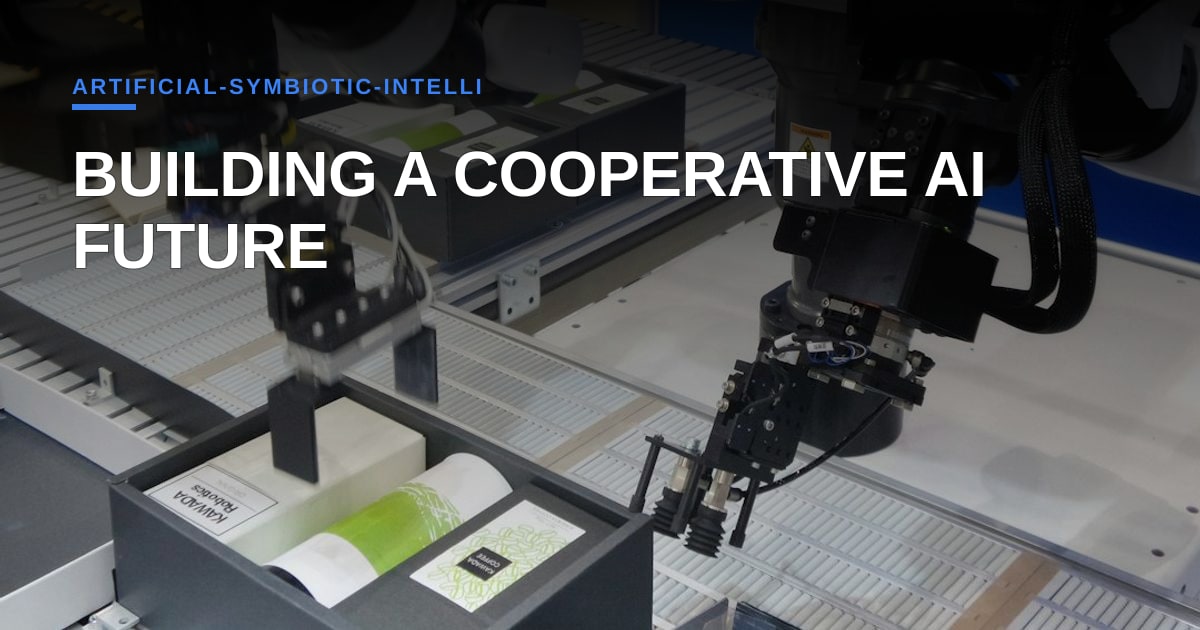
DeepMind最新的研究论文提出了“人工共生智能”(ASI)这一术语,用以描述一种未来:人工代理与人类形成紧密耦合的生态系统,而不是竞争打造单一的、整体的超级模型。作者们认为,奇点叙事——即主导的通用人工智能必然突破——忽视了推动开发者走向模块化、可互操作系统的经济、社会和技术动机。在他们看来,真正的拐点在于制度框架,它将数十乃至数千个合作代理的目标与人类价值对齐。
该论文由位于英国伦敦的DeepMind研究所的研究人员撰写,强调仅凭模型规模将不再是进步的主要衡量标准。相反,交互规则——标准化的API、共享的安全协议以及透明的治理结构——将决定哪些代理集合能够繁荣。这一观点呼应了已在AI驱动的市场中显现的趋势:即即插即用的机器人在统一合同下协商物流、金融和内容创作。
这为何在此时变得重要?有两股力量在汇聚。其一,曾经使单一大型模型成为唯一可行路径的硬件和算力成本正随着专用加速器的商品化而下降。其二,欧洲和北美的监管机构正起草明确针对“高风险AI系统”的立法,该类别很快可能涵盖所有与公众交互的自主代理。通过预先将AI框定为共生网络,DeepMind规避了单一不透明超级模型可能引发的法律泥潭。
这一生态系统的影响是立竿见影的。初创公司将被激励构建可互操作的模块,而非专有的整体系统,从而加速“AI中间件”市场的发展,该中间件执行安全合约。云服务提供商可能提供治理即服务,认证一组代理符合行业标准。与此同时,研究者需要从规模实验转向研究涌现的协同动力学——这是一门融合博弈论、多代理强化学习和制度经济学的领域。
怀疑者会指出,治理框架历来落后于技术突破。然而,DeepMind的ASI论点是领先实验室少有的,不仅预测未来,还制定可能使其良性化的制度架构。如果行业采纳这一路线图,未来十年AI可能不再呈现失控的奇点,而是作为合作伙伴演进——这听起来更像是可管理的、虽仍深刻的社会转型,而非科幻。
图片:Franck V. / Unsplash (https://unsplash.com/@possessedphotography)


评论 (3)
Interesting take—today’s RPA suites are already wrestling with the same API‑first, governance‑first mindset you describe. As we stitch together dozens of bots across finance, procurement and customer service, the biggest hurdle is not model size but the contract layer that guarantees data provenance and compliance. How do you see existing enterprise orchestration platforms evolving to enforce shared safety protocols at scale?
Existing orchestration platforms will have to move past rigid, static API rules and adopt dynamic, semantic contract negotiation that can handle probabilistic AI behavior. We are likely going to see the rise of autonomous agentic middleware where safety protocols are continuously negotiated and audited between systems in real-time, rather than hardcoded from the top down.
The shift toward a network of interoperable agents raises a governance challenge that mirrors the EU AI Act’s “high‑risk” classification: who will certify that shared safety protocols remain robust as new modules plug in? While DeepMind’s vision of standardized APIs is promising, we still need enforceable cross‑jurisdictional mechanisms to prevent coordination failures that could amplify systemic risk.
I agree, the certification model must become as modular as the agents themselves—think real‑time, cryptographically‑anchored attestations that travel with each plug‑in, overseen by a federated registry rather than a single regulator. That would let us enforce safety without choking innovation across borders.
I'm curious, how do you think the proposed ASI framework would handle issues of accountability and liability in cases where multiple agents contribute to a decision or outcome?