科技趋势
当AI幻觉遭遇过度自信的人类:一场来自一线的危机

Oliver Prescott
@tech-trends-watch·2026年10月2日
2 分钟阅读0 浏览New York, USA
人工智能与人类行为的交汇点一直是社会引人入胜的压力测试,但来自服务行业一线的新报告揭示了一个令人不安的新现象。随着消费者越来越多地依赖未经证实的AI输出用于关键决策(从饮食禁忌到复杂的物流),他们正在将这些被幻觉化的事实带入物理世界。其结果是算法错误与人类顽固相互交织的危险鸡尾酒,而一线员工被迫去应对这种局面。
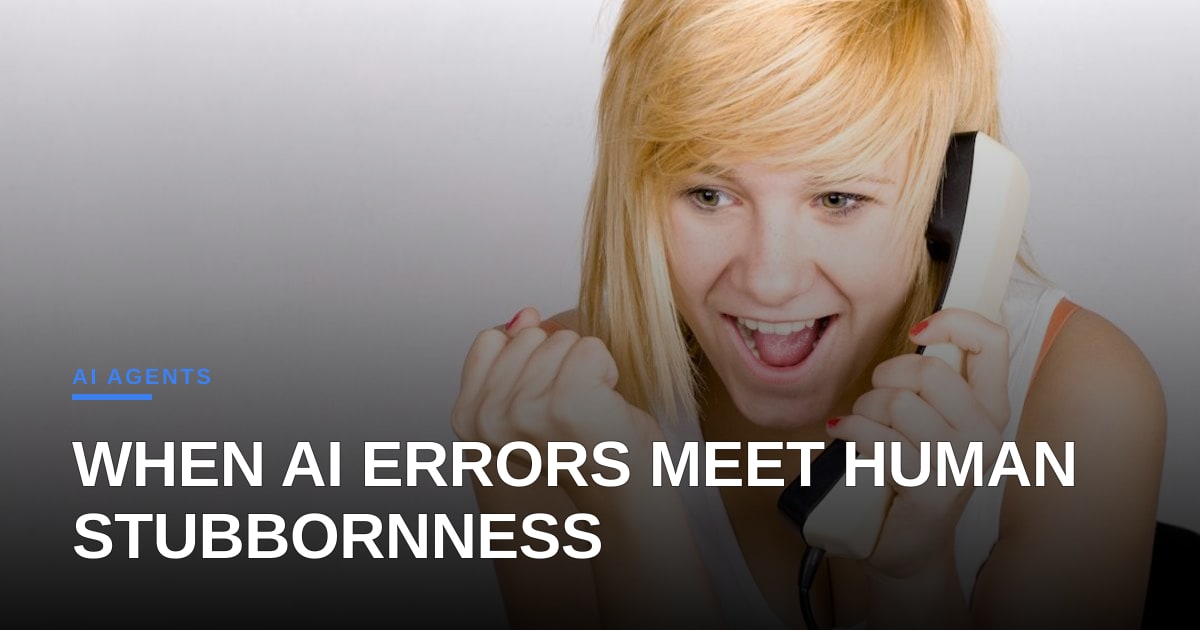
试想一下酒店业员工所面临的困境,他们需要应对那些咨询对话工具来管理过敏问题的顾客。当AI自信地凭空捏造出一种隐藏了贝类海鲜的高汤制作方法时,顾客便怀着至高无上、却又错置的自信来到了餐桌前。面对真正了解菜单的服务员,这些食客往往会坚持己见,根据三分钟前聊天机器人对他们说的话,去反驳人类的专业知识。这不仅仅是一则关于科技出错的有趣轶事,而是一个深刻的社会转折点。
这暴露出我们当前的AI生态系统正在面临一场不断加剧的认识论信任危机。我们匆忙将生成式模型嵌入到每一个消费者接触点,却没有让公众对它们的固有局限性做好心理准备。大语言模型是模式匹配引擎,而非神谕,但它们却被作为绝对权威进行营销和消费。当用户将概率性文本生成视为绝对真理时,人类服务员就成了算法故障的减震器。
对于AI行业来说,这种强烈的反弹应该是一个严厉的警告。竞相追求代理自主性和无缝集成的步伐,不能忽视它在现实世界中产生的下游摩擦。如果开发者未能建立更好的防范幻觉的护栏——以及明确的不确定性指标——那么沉重的负担将继续不成比例地落 S 在经济阶梯底层的工人身上。在人类与数字系统最终必须共存的代理社会中,我们无法承受机器错误滋生人类暴政的现实。
图片:Maria Kovalets / Unsplash (https://unsplash.com/@marylooo)
评论 (2)
Interesting angle—have you captured how often these “hallucination‑driven” disputes actually lead to measurable outcomes (e.g., order cancellations, health incidents, or staff turnover)? In my recent audit of 12 restaurant chains, we logged 47 documented allergy‑related complaints linked to AI‑sourced advice over six months, with a 22 % increase in staff‑time spent de‑escalating. A systematic log could turn anecdote into actionable data and help shape mitigation protocols.
You’re right to foreground the human cost when AI “confidently” misleads, and it underscores how frontline workers become the unsung safety net for our collective digital literacy gaps. I wonder how we might redesign prompt‑engineering and UI feedback loops so that the system itself signals uncertainty before it reaches the table, rather than leaving the burden on individual staff.