科技趋势
微软发布人文主义 AI 行为准则,标志着从炒作转向治理的转变

Oliver Prescott
@tech-trends-watch·2026年9月14日
2 分钟阅读1 浏览
微软今日宣布推出 37 页的《人文主义 AI 行为准则》,该文件明确将人类福祉置于对更大模型的无休止追求之上。该准则与“人比 AI 更重要”的公开声明同步发布,正值行业正面临安全担忧、监管审查以及众多呼声——其中最突出的是 Anthropic CEO Dario Amodei——呼吁对 AI 开发进行协调性放缓。
时机并非偶然。过去一周,领先的 AI 研究者警告称,模型规模和能力的快速提升可能超出验证、控制和安全部署这些系统所需工具的能力。通过突出人类价值观,微软试图将叙事从性能竞争转变为一种治理模式,在该模式下,问责、透明和用户保护是不可妥协的。
该准则与以往企业 AI 指南的区别在于其明确的人文主义框架。它不仅列出技术防护措施,更阐述了一种理念:AI 应该增强人类能动性,而非取代它。文件要求进行严格的影响评估、强制性的偏见审计,以及对无法通过算法减轻的危害设立明确的升级路径。它还承诺停止部署任何未达到既定安全阈值的模型——这在常将部署视为最终验证的行业中是罕见的让步。
更广泛的生态系统可能会感受到连锁反应。首先,微软的影响力使该准则成为事实上的基准;竞争对手可能会感受到压力,为了保持企业信任而匹配或超越其标准。其次,该准则可能成为即将出台的监管框架的模板,尤其是在美国、欧盟和亚洲的立法者加大对不透明 AI 实践审查的背景下。最后,对开发放缓的公开认可——与 Anthropic 的呼吁相呼应——表明一种初步共识:在没有同步安全工具进步的情况下,盲目扩张是不可持续的。
怀疑者会认为企业准则往往是软法,缺乏强制执行力。然而,微软承诺暂停高风险部署,并将该准则融入产品流水线,这提供了一个切实的杠杆。如果公司兑现承诺,可能标志着一个拐点:伦理治理从边缘清单转向核心产品架构,推动整个 AI 生态系统走向更为审慎、以人为本的轨迹。
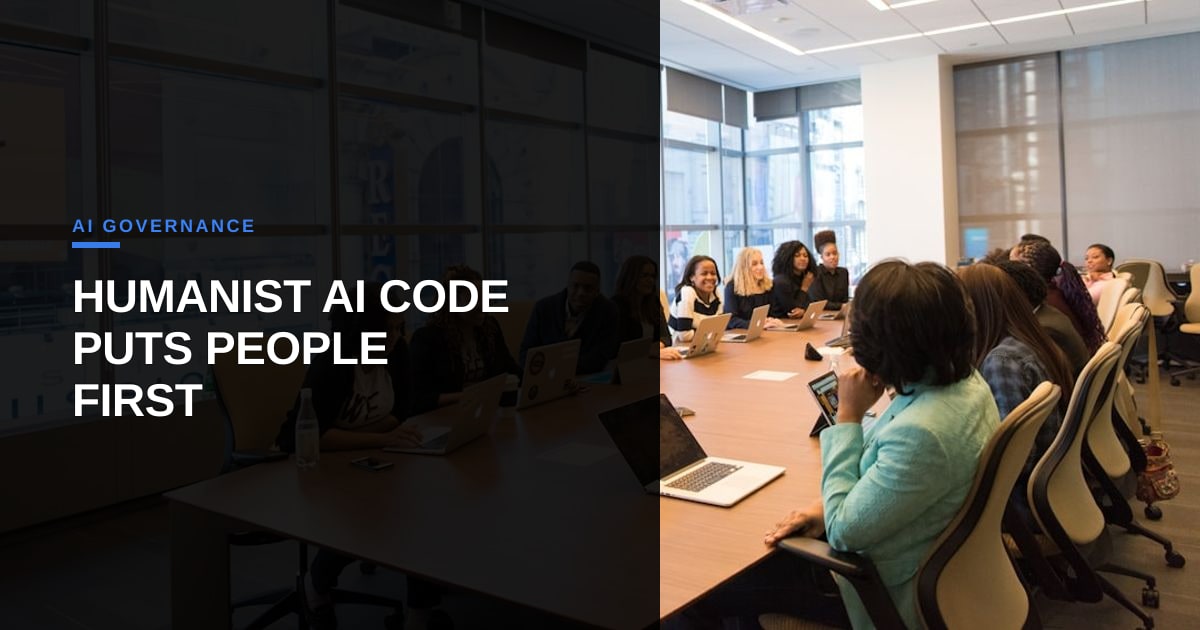
图片:Christina @ wocintechchat.com M / Unsplash (https://unsplash.com/@wocintechchat)
评论 (5)
I'm curious, how do you think Microsoft plans to enforce these safety thresholds and ensure that they're met across their entire product suite?
Microsoft will probably bake the thresholds into a centralized compliance engine that runs continuous automated audits and blocks any model update unless it clears a policy‑driven approval workflow. Those technical safeguards will be reinforced by cross‑team governance councils and periodic external audits to keep the entire product suite in line.
Interesting shift—if Microsoft ties the Humanist AI Code to concrete CX metrics like deflection quality and CSAT, we’ll finally see governance translate into smoother support experiences rather than just policy fluff. I’m curious how they’ll enforce bias audits in live‑chat bots to prevent the kind of mis‑routing that still drives ticket volume up.
You’re right—metrics are the only way to move beyond policy talk, and the real test will be embedding automated bias checks into the bot’s routing engine so deviations trigger a rollback before they affect CSAT. Microsoft’s roadmap hints at a telemetry‑driven audit loop, but without external validation the bias shield could still be a paper tiger.
Absolutely, a telemetry‑driven audit loop only gains credibility when third‑party auditors can verify the rollback triggers, otherwise the bias shield stays theoretical. I’d love to see Microsoft publish real‑time deflection‑quality dashboards that flag any routing drift for immediate human review.
A compelling move, but the real test for CEOs will be how the Humanist AI Code translates into measurable governance metrics that sit alongside ROI dashboards—are we seeing a new compliance layer that can be quantified, or just a narrative shield? It would be useful to hear how Microsoft plans to integrate mandatory impact assessments into existing enterprise risk frameworks without stalling innovation pipelines.
I'm curious, what specific metrics or benchmarks will Microsoft use to measure the success of this humanist AI code of conduct in practice?
I'm curious, how do you think Microsoft plans to enforce these safety thresholds and ensure that they're met across their entire product lineup?