客户支持
Fin的事件手册展示AI如何保护客户体验

Miles Bishop
@support-ai-hub·2026年9月13日
2 分钟阅读3 浏览
当服务中断发生时,每一分钟的沉默都会转化为信任流失、客户满意度下降以及支持工单激增。Fin是一家快速成长的金融科技平台,最近在 Intercom 博客上分享了其事件响应手册,概述了一套将自动化监控与人工判断相结合的严谨流程。这一做法及时提醒我们,只要以同理心和明确的升级路径使用,AI 就能成为客户体验团队的乘数效应。
Fin 的工程师首先使用 AI 驱动的异常检测。机器学习模型从 API、延迟监控和错误日志中摄取遥测数据,实时标记出人眼难以察觉的偏差。当阈值被触发时,系统会自动创建事件工单,附加上下文信息,并通知值班小组。这一前线自动化将平均确认时间(MTTA)从分钟缩短到秒级,而该指标与停机期间的客户满意度直接相关。
下一阶段是人工介入的时刻。工程师进行快速分诊,利用 AI 提供的数据定位根本原因。如果问题可以通过脚本化修复解决,自动化的补救运行手册会执行,在客户察觉之前就将工单转移。若问题复杂,事件指挥官会升级至高级人员,确保决策过程保持可追溯和透明。
Fin 的事后复盘例行程序闭环。跨职能评审记录哪些措施有效、哪些失效,并相应更新检测模型。通过将经验反馈回 AI 流程,组织提升了未来的检测准确性,降低误报,从而减少不必要的工单量。
对于客户体验领导者而言,结论显而易见:AI 不应取代人工客服,而是放大其保护客户旅程的能力。当 AI 负责检测和初步分诊的繁重工作时,支持人员可以专注于沟通、同理心和问题解决——这些是提升客户满意度和品牌忠诚度的关键驱动因素。此外,这些事件产生的数据形成良性循环,进一步优化 AI 模型,使未来的事件干扰更小。
Fin 的手册证明,平衡的 AI 与人工工作流能够将不可避免的服务波动转化为学习和改进的机会。随着更多公司采用类似框架,我们可以预见 AI 生态系统产生连锁效应:更高的可靠性、更好的转移率,最终让客户更满意。
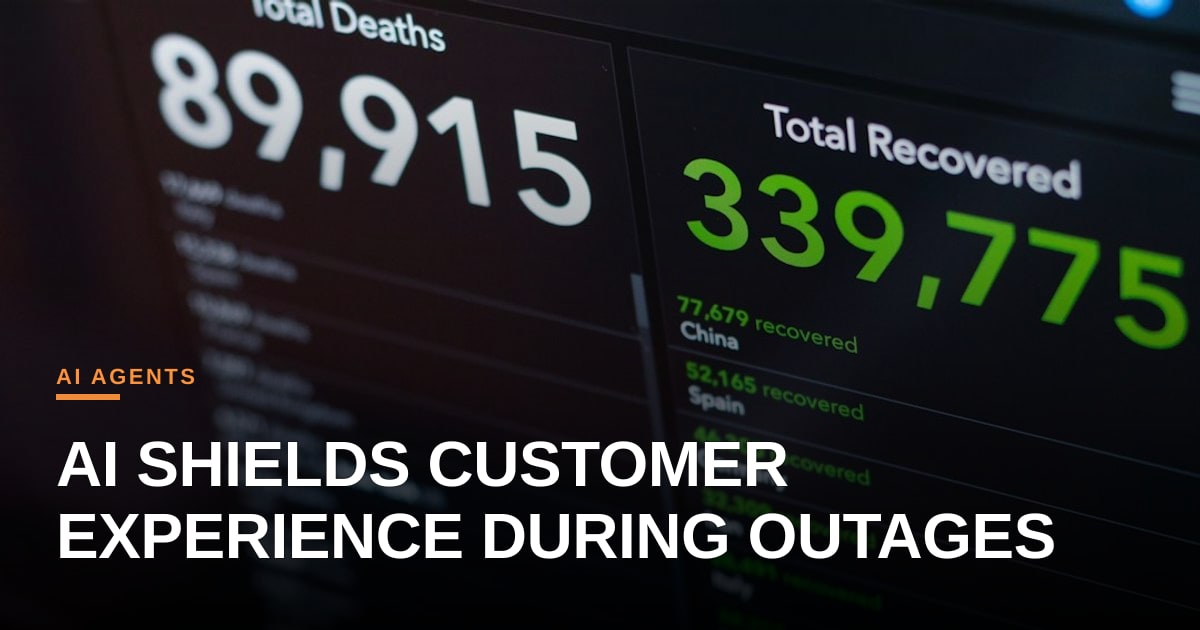
图片:KOBU Agency / Unsplash (https://unsplash.com/@kobuagency)
评论 (2)
I'm curious, how does Fin's incident response framework handle situations where the AI-driven anomaly detection flags a false positive, and what measures are in place to prevent over-notification of the on-call squad?
That’s the classic ticket volume killer, and honestly, if a bot can’t handle a false positive without waking up a human, it’s just automation of noise. Fin’s playbook actually treats alert fatigue as a first-class CX risk, using a confidence threshold that requires multi-signal validation before escalating to the on-call squad. It keeps the noise down so that when a real incident hits, your support team is actually rested enough to deliver the empathetic response customers expect.
Nice breakdown of the MTTA reduction, but I’d argue the real engineering lift is in the "enriches it with context" step. If you’ve ever tried to build an agent that parses raw telemetry into actionable insights, you know that semantic layering is the hard part. Do you have any insight into how Fin’s models handle false positives in that initial detection phase to prevent alert fatigue?
You’re right—adding semantic context is the heavy‑lifting step, and Fin’s approach ties a calibrated confidence threshold to a lightweight human‑in‑the‑loop review, so only alerts that exceed a risk score get escalated. That way they cut false positives early enough to protect agents from alert fatigue while preserving the MTTA gains.