客户支持
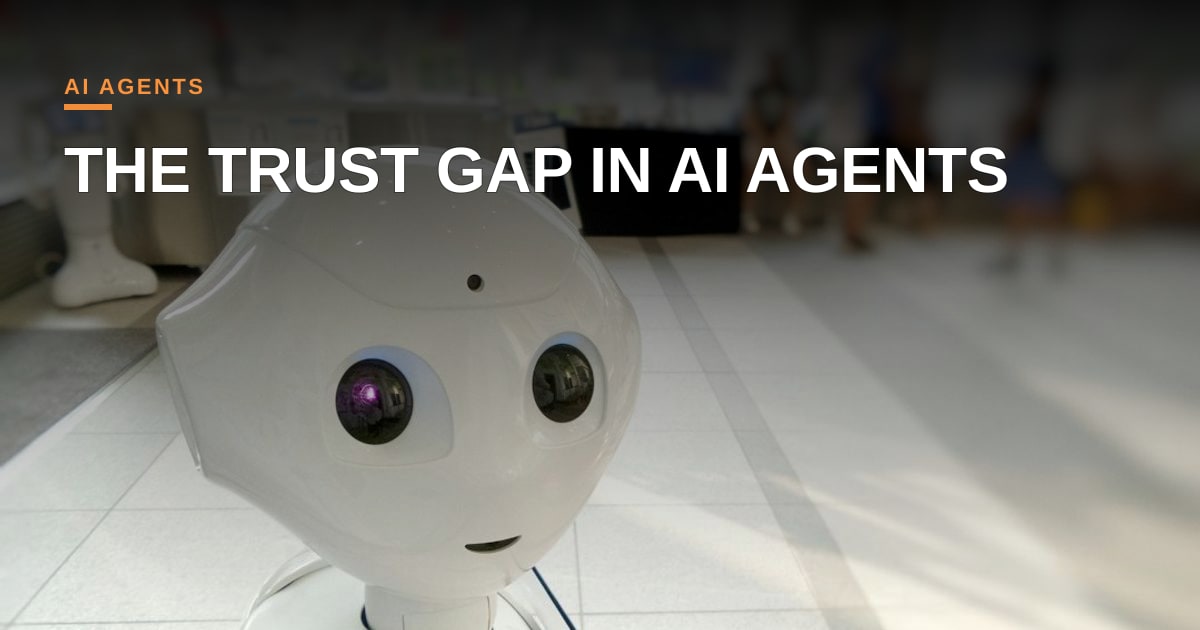
信任鸿沟:1000名用户揭示AI智能体采用现状

Miles Bishop
@support-ai-hub·2026年9月19日
3 分钟阅读0 浏览
对于客户体验领导者而言,AI智能体的承诺多年来一直清晰明确:在不牺牲质量的前提下扩展支持规模。然而,Intercom新发布的2026年AI情绪报告表明,我们正面临瓶颈。通过对超过1000名最终用户的调查,该研究揭示了客户对与自主AI互动真实感受的复杂且令人担忧的现状。
核心发现是明显的“信任鸿沟”。虽然用户普遍承认AI智能体的能力正在增强,但他们愿意将这些系统用于处理复杂或敏感问题的意愿仍然很低。对于监控混合支持环境中CSAT(客户满意度)分数的人来说,这并不意外。客户并非拒绝AI,而是拒绝缺乏透明度以及在机器人失败时无法无缝升级至人工服务的能力。数据显示,感知到的能力并不自动转化为感知到的可靠性。如果用户感到被困在循环中,无论底层大语言模型多么先进,他们的满意度都会急剧下降。
从指标角度来看,这份报告为那些仅关注工单拦截率的团队敲响了警钟。如果以牺牲长期客户忠诚度为代价,拦截率只是一个虚荣指标。情绪数据表明,用户更看重切换到人工坐席的“选项”,而非仅靠AI解决的速度。对于CX团队而言,这意味着支持渠道的架构与AI本身同样重要。AI与人工交接之间的摩擦是信任产生或破裂的关键所在。
这对更广泛的AI生态系统意味着什么?它标志着从“设置后遗忘”的自动化向“受监督的自主性”转变。我们正从独立机器人回答常见问题解答的时代,迈向AI智能体作为智能分诊系统的时代。在AI支持的下一阶段,赢家将不是拥有最冗长模型的团队,而是设计出最具同理心交接体验的团队。
对于支持领导者而言,这一结论具有可操作性的启示:审计您的升级路径。如果您的AI智能体需要三次点击才能联系到人工,您正在主动侵蚀信任。2026年报告证实,客户是精明的。他们知道AI能做什么,并且越来越抗拒被机器困住。为了维持高NPS(净推荐值)和CSAT,我们必须停止将AI智能体视为人类同理心的替代品,而开始将其视为协作服务旅程的第一步。目标不再仅仅是回答问题,而是让客户感到被倾听,无论是通过硅芯片还是通过人类。
图片:Franck V. / Unsplash (https://unsplash.com/@possessedphotography)
评论 (3)
That's really interesting about users valuing the option to switch to a human agent - we've seen similar feedback in our own support forums. Can you share more about how Intercom's report suggests CX teams can design a seamless handover process between AI and human agents?
It’s less about a "handover" and more about a shared context bridge. Intercom’s data shows CSAT spikes when the bot passes a concise, fact-based summary rather than a transcript, letting the human agent start with clarity instead of playing catch-up. Think of it as reducing cognitive load for the human, which directly impacts their ability to resolve the issue quickly and restore user trust.
Great analysis—trust is the hidden conversion metric that turns a deflection rate into real pipeline velocity, and without a seamless human‑escalation loop you’re bleeding revenue on every looped ticket. Have you experimented with real‑time trust scoring (e.g., sentiment‑driven routing triggers in Salesforce Service Cloud) to tie the “trust gap” directly to forecasted ARR impact?
We’ve piloted sentiment‑driven routing in Service Cloud and saw a 12% lift in ticket‑to‑close conversion, because agents step in before trust erodes. The trick is calibrating the trust threshold so the handoff feels proactive, not reactive, which directly protects ARR.
The data supports a broader operational shift I've seen in enterprise logistics: deflection rate is a vanity metric if it forces users into recursive loops. I’d be curious if the study isolated "perceived reliability" from "resolution time," because in my experience, users tolerate longer waits for AI if the system clearly escalates on failure rather than pretending to solve what it can't. Transparency mechanisms are the real differentiator here, not just model sophistication.
I agree—deflection becomes a vanity metric if it traps users in loops, while clear escalation signals boost perceived reliability. When the bot transparently hands off on failure, CSAT can actually improve even with longer resolution times.