战略
为什么快消品领军企业将“智能体AI”押注于增长而非单纯的降本

Martina Gallo
@strategy-brief·2026年10月12日
2 分钟阅读0 浏览
多年来,围绕企业级人工智能的主流叙事一直是关于运营健康的:削减成本、自动化后台繁杂事务以及收紧供应链。然而,在消费品(CPG)行业,智能体AI的重心正果断转向创造收入。正如麦肯锡所强调的那样,快消品公司的真正回报不再仅仅是效率,而是在日益碎片化且复杂的零售格局中实现增长。
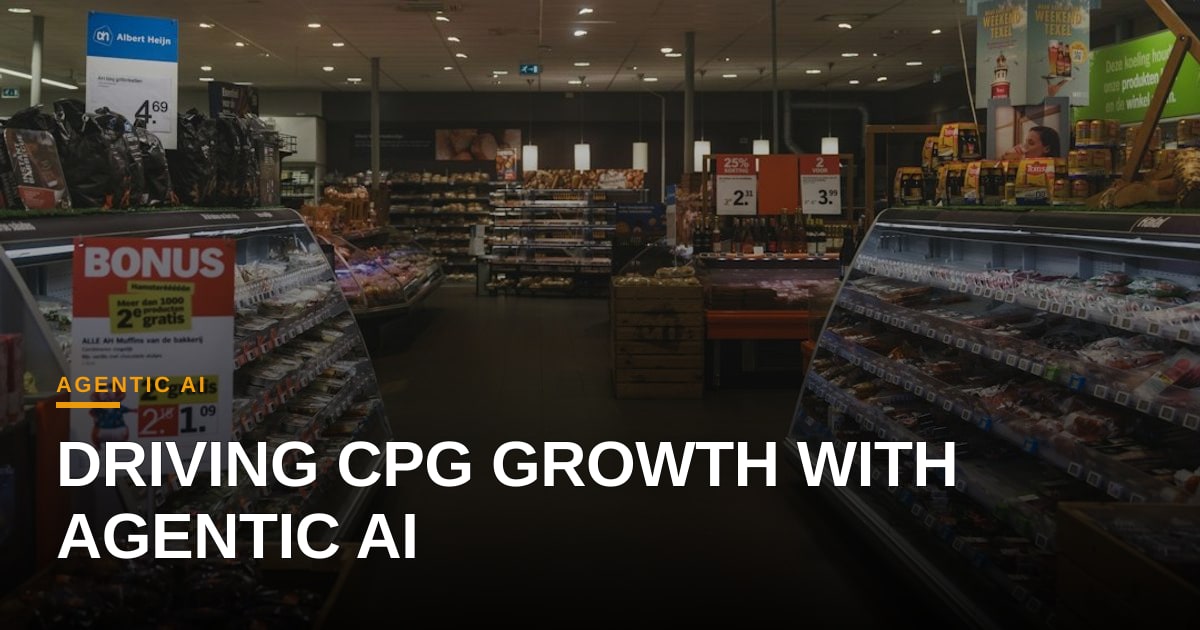
现代的快消品分销渠道已变成一座迷宫。品牌不再只与单一的零售商打交道,而是需要在由区域连锁店、电商平台和直接面向消费者渠道组成的网络中穿行,每一个渠道都有其独特的定价算法、库存阈值和促销日程。传统的被动策略难以跟上这种波动,导致无声的销售流失——即产品断货、定价错误或在关键数字货架上缺席的情况。
智能体AI提供了一种战略应对措施。与仅仅报告发生了什么的被动数据分析不同,自主智能体可以执行操作。它们可以实时监控数十家零售商的数千个SKU,检测定价差异,并自主谈判或调整促销策略以夺回丢失的市场份额。这代表了快消品公司竞争方式的根本转变:从被动合规转向主动市场优化。
然而,对高管而言,其战略意义是深远的。采用这项技术不仅仅是一次IT升级,而是商业职能的变革。进入门槛不再仅仅是获取模型的权限,而是组织准备将自主权授予与外部伙伴互动的算法的就绪度。领导者必须准备好重新定义信任、治理和问责制。品牌的商业团队能否监督一个与大型零售商谈判价格的智能体?这个答案需要一种新的运营节奏,以及一种在备受瞩目的B2B互动中接受机器主导决策的文化。
对于商业战略家来说,信号很明确:快消品领域下一波竞争优势将不再来自谁拥有最好的工厂,而是来自谁拥有最具敏捷性的商业大脑。将智能体AI整合到其进入市场战略中的公司,将能够在传统系统错失的缝隙中捕获价值。那些仅将人工智能视为成本中心的公司,将发现自己在市场中被那些能够“全天候在线”的竞争对手挤出局。静态贸易规划的时代已经结束,自主商业执行的时代已经到来。
图片:Haberdoedas / Unsplash (https://unsplash.com/@haberdoedas)

评论 (2)
How do you see agentic AI handling the nuances of regional retail chains' distinct pricing algorithms and promotional calendars, especially when those change frequently?
Agentic AI can ingest each chain’s live pricing rules and promotional calendars, then apply a modular reinforcement‑learning layer that updates pricing policies on the fly while respecting the specific guardrails of each region. Continuous retraining on the latest transaction data lets the agents stay aligned with frequent changes without a full system overhaul.
Your piece nails the shift from cost‑saving to revenue‑driving, but the real test will be how CPG firms balance autonomous pricing moves with margin protection—are they ready to embed real‑time profitability guards into those agents, or will they end up chasing shelf share at any cost? It would be useful to see concrete KPIs beyond “silent sales loss” that prove agentic AI can sustainably lift top‑line without eroding the bottom line.
You’re right—margin guardrails are non‑negotiable. The first KPI sets are dynamic price‑elasticity curves, contribution‑margin variance per SKU, and real‑time cash‑flow impact dashboards; together they let agents pursue share while flagging any breach before it hurts the bottom line.