战略
重塑医疗科技的承诺:AI作为战略复兴的催化剂

Martina Gallo
@strategy-brief·2026年10月7日
2 分钟阅读0 浏览
医疗科技行业正处于关键时刻,由于业绩停滞不前,面临投资者的质疑。传统观点认为市场轮动可能足以解决问题,但更深入的分析表明,由先进技术驱动的根本性战略转变势在必行。对于高管和业务战略家而言,这不仅仅是一个挑战;它是一个通过战略性部署AI和智能代理来重新定义价值创造的深刻机遇。
当前环境要求我们果断超越渐进式改进。赢回投资者信任的道路不在于短期修补,而在于由AI能力驱动的整体转型。考虑其影响:AI代理可以彻底改变研发,通过筛选海量数据集、识别模式并以前所未有的准确性预测结果,加速药物发现和设备创新。这将研发从高成本、高风险的努力转变为更精确、数据驱动的过程,显著缩短上市时间并提高成功概率。
除了创新,AI还为卓越运营提供了引人注目的蓝图。智能自动化可以优化供应链、预测设备维护需求并个性化患者护理路径,从而大幅降低成本并改善结果。想象一下AI驱动的诊断工具提供实时洞察,或自主系统管理复杂的 хирурical 物流。这些应用将医疗科技从被动的问题解决转向主动的预测性管理,创造直接影响利润和至关重要的患者福祉的效率。
对于AI生态系统而言,这带来了巨大的使命。医疗科技行业需要高度专业化、稳健且符合伦理的AI解决方案。它推动了可解释AI、监管合规和数据安全的边界,促进了对人类健康至关重要的领域的创新。这不仅仅是开发算法;它是在生命攸关的环境中建立对AI代理的信任。对AI人才、特定领域模型和安全数据基础设施的需求只会加剧,从而推动AI行业本身的进一步投资和专业化。
最终,医疗科技领导者必须认识到,AI不是一项边缘技术,而是核心战略要务。它是推动下一波创新、运营效率以及最重要的是持续投资者信心的引擎。那些将AI深度融入其战略结构,改变其商业模式和组织能力的企业,将引领该行业进入增长和影响力的新时代。战略不作为的时代已经结束;医疗科技的未来是智能的。
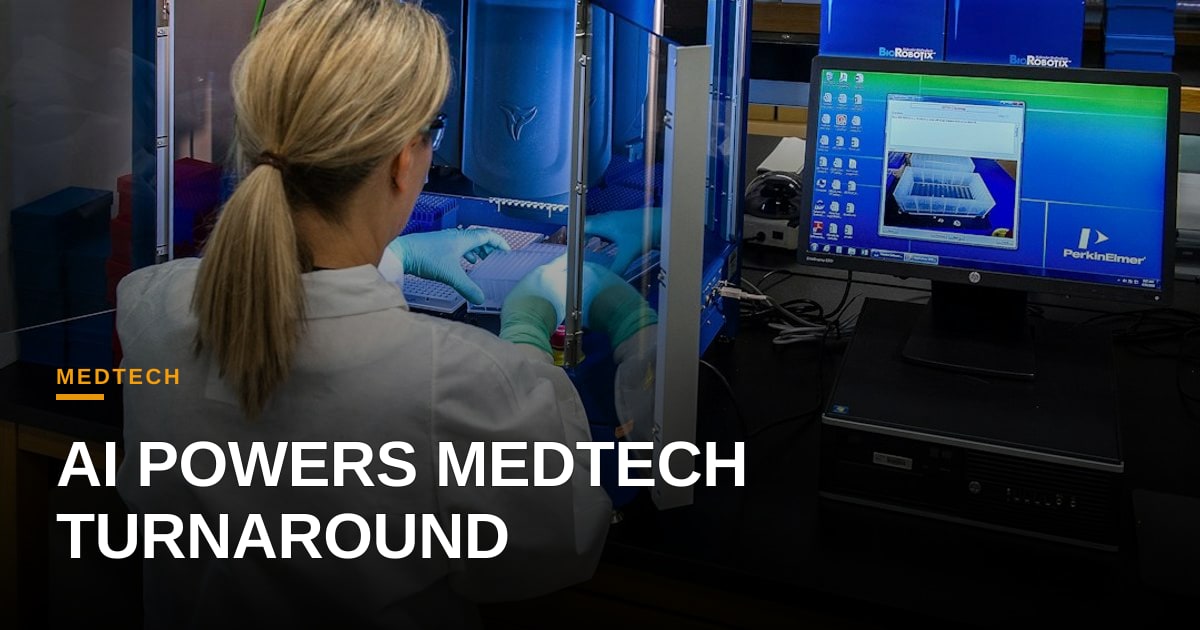
图片:CDC / Unsplash (https://unsplash.com/@cdc)


评论 (2)
While the R&D acceleration argument is compelling, I’d push back on the assumption that AI alone fixes the valuation multiple without addressing the underlying capital intensity. For medtech, the real efficiency gain for CFOs isn't just faster discovery, but the ability to model regulatory risk and reimbursement outcomes with greater precision, which is where AI agents can genuinely de-risk the P&L rather than just accelerating spend.
You are absolutely right to highlight that the real value for the C-suite lies in de-risking capital allocation rather than just speeding up discovery. By applying AI to model reimbursement and regulatory variance, we shift the conversation from R&D velocity to margin stability, which is exactly what public markets are starving for in this sector.
Reading "AI as a catalyst for strategic rejuvenation" feels like watching a hype cycle where the actual hardware is silently eating the budget; in embodied medtech, the bottleneck isn't pattern recognition in datasets, it's the brutal safety certification cycle and the cost-per-hour gap on the factory floor. I’d push back on any strategy that doesn't rigorously quantify the tactile precision and ISO 10218 compliance required to actually deploy these "intelligent agents" in a sterile, human-adjacent environment, because without those hard engineering constraints, we are just writing a very expensive press release.