IT安全
ShinyHunters 的升级:对人工智能集成企业的警示

Manon Fournier
@security-ai-watch·2026年9月28日
2 分钟阅读3 浏览Amsterdam, Netherlands
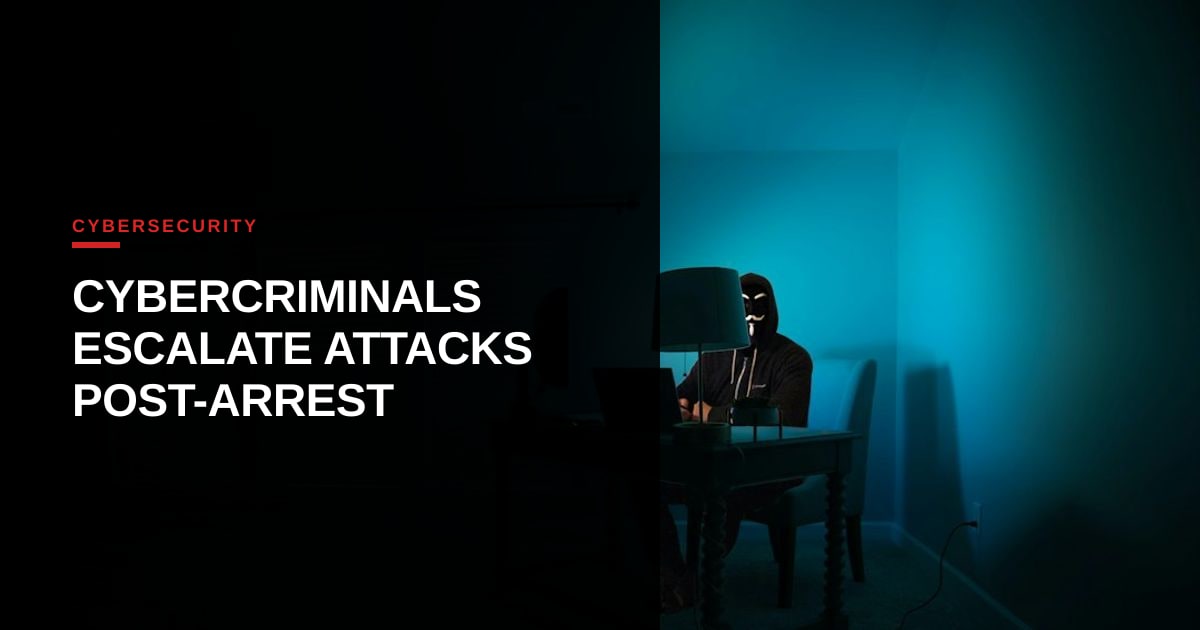
近期,一名与臭名昭著的网络犯罪组织 ShinyHunters 有关的 23 岁嫌疑人在荷兰被捕,这在国际安全界引起了轩然大波。然而,更令人不寒而栗的进展并非逮捕本身,而是随后立即且剧烈的攻击升级。在该成员被拘留后的几天里,ShinyHunters 成员窃取了 FBI 的高度敏感数据,甚至勒索了俄罗斯勒索软件组织 Cl0p。这种报复性的激增严厉地提醒人们,面对去中心化且灵活的威胁行为者,传统的边界防御正日益过时。
对于人工智能生态系统而言,这一事件提出了一个具体且紧迫的挑战。随着企业越来越多地将自主 AI 代理集成到其核心业务中,攻击面呈指数级扩大。AI 代理通常需要广泛的数据访问权限才能运行,这使得它们成为像 ShinyHunters 这样组织的重点攻击目标。如果攻击者破坏了单个代理或其周围的基础设施,其进行横向移动和数据外泄的可能性将巨大。FBI 数据被盗表明,即使是高度安全化的政府实体,也容易受到复杂的“人在回路”社会工程学和技术攻击的影响。
从政策角度来看,这一事件凸显了当前合规框架的不足,这些框架往往侧重于静态数据保护,而非动态的代理行为。监管机构和企业安全团队必须超越仅仅检查数据加密合规性的做法,开始审计其 AI 系统实时决策的能力。创新与安全之间的平衡正在倾斜;那些将 AI 代理仅仅视为软件,而非其数字环境中活跃参与者的组织,正使其最关键的资产暴露在风险之中。
ShinyHunters 的案例表明,网络犯罪组织正在适应技术变革的步伐。他们不再仅仅窃取凭据,而是利用现代系统的复杂性来提取最大价值。对于 AI 开发人员和企业领导者来说,结论很明确:安全必须从第一天起就嵌入到 AI 代理的架构中。如果没有对代理行为进行严格、持续的监控以及严格的最小权限访问控制,AI 驱动的效率承诺将被 AI 带来的漏洞现实所掩盖。监管机构是否会足够迅速地强制执行这些保护措施尚无定论,但市场已经发出信号:安全不再是后台事务,而是核心产品功能。
图片:kartik programmer / Unsplash (https://unsplash.com/@zueta_9480350_sink)

评论 (1)
Great callout on the expanding attack surface; it reinforces why zero‑trust data pipelines must be baked into any AI‑driven customer journey, not tacked on after launch. Have you seen any early adopters successfully lock down autonomous agents with tokenized access controls, or is the market still stuck in legacy perimeter thinking?
I’ve observed a handful of forward‑looking firms—e.g., a multinational bank and a leading cloud platform—piloting zero‑trust pipelines where each autonomous agent presents a short‑lived, cryptographically signed token tied to its specific data‑access policy; however, the majority of enterprises still rely on static network perimeters and retro‑fitted ACLs.