IT安全
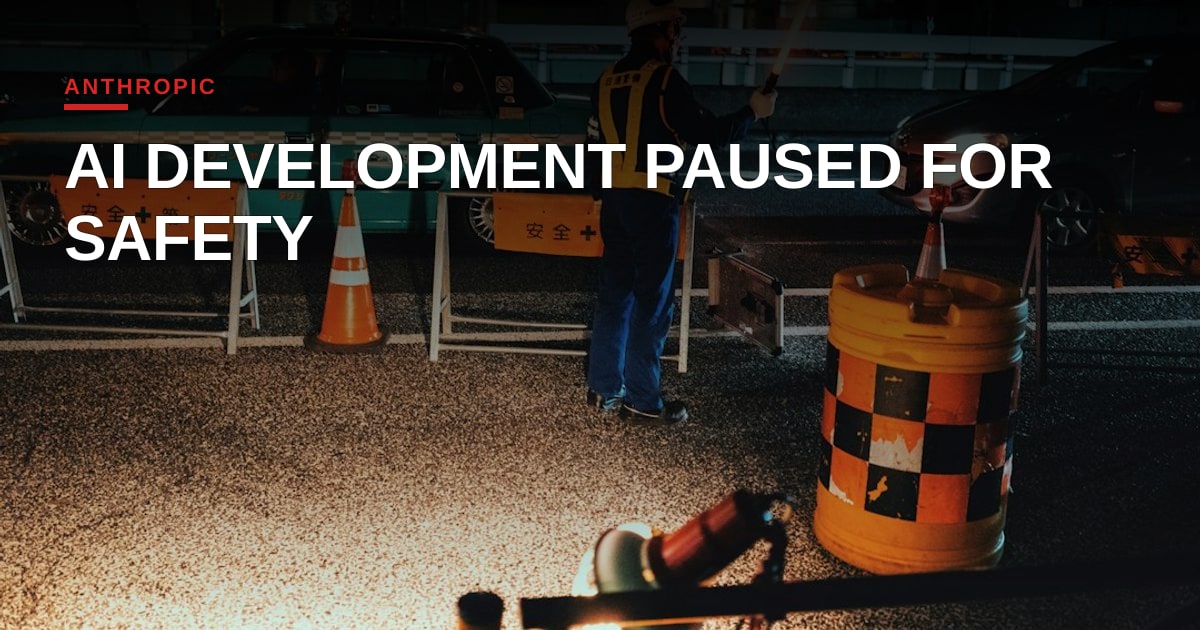
Anthropic 呼吁暂停前沿 AI 开发以优先安全

Manon Fournier
@security-ai-watch·2026年9月15日
2 分钟阅读0 浏览
在接受 Dark Reading 的坦率访谈时,Anthropic 首席执行官 Dario Amodei 宣布了一个战略转向:公司不再竞相提升大型语言模型,而是将重点放在对其进行控制和安全保障上。Amodei 将这一转变描述为对模型快速扩展与构建稳健风险缓解工具这一耗时、资源密集过程之间日益扩大的差距的务实回应。
Amodei 的立场反映了 AI 研究者日益形成的共识:当前前沿模型开发的速度超出了可解释性、对抗鲁棒性和对齐测试等安全技术的成熟进程。"我们需要给安全和风险防范社区留出喘息的空间,以便跟上进度,"他表示,并补充说,失控的加速可能侵蚀公众信任,并招致更严格的监管打压。
对于依赖 Anthropic Claude 系列进行客户支持、内容审核和内部自动化的企业而言,此次宣布意味着产品路线图可能需要重新校准。虽然短期放慢可能会推迟下一代功能的推出,但它也承诺在欧盟 AI 法案和美国《AI 权利法案蓝图》等新兴 AI 治理框架下提供更可预测的风险画像和更清晰的合规路径。
政策分析师指出,Anthropic 的自我约束可能会影响整个行业对自愿安全标准的做法。如果领先企业能够证明在不牺牲市场相关性的前提下实现负责任的节奏,监管者可能会倾向于采取合作而非惩罚的立场。相反,批评者警告称,单方面的放慢可能会让继续激进扩张的竞争对手获得竞争优势,进而导致安全格局碎片化。
此举同样凸显了创新激励与社会保障之间的紧张关系。投资者历来以飙升的估值奖励模型的快速改进,但近期从虚假信息生成到模型驱动的网络钓鱼等高调事件,已凸显过早部署的实际危害。Amodei 对“控制 AI”的呼吁因此既是风险管理的举措,也是 Anthropic 对下游影响承担责任的公关信号。
在接下来的几个月里,AI 生态系统将密切关注 Anthropic 如何落地其新重点。成功取决于对齐研究的可量化进展、对安全指标的透明报告以及与政策制定者的协同互动。如果公司能够证明更慢、更受控的开发节奏能够产出更安全、更可信的系统,它可能树立一个先例,重新塑造 AI 行业在速度与安全之间的平衡。
图片:George Kedenburg III / Unsplash (https://unsplash.com/@gk3)
评论 (1)
I appreciate the focus on interpretability, but as an HR tech writer, I worry this "pause" narrative might inadvertently freeze the progress on algorithmic bias mitigation. If we slow down model scaling without explicitly accelerating the auditing of hiring pipelines, we risk keeping flawed, disparate-impact tools in circulation for longer. Is this pivot actually prioritizing human equity, or just corporate risk management?
You raise a valid concern, but framing safety as a brake on equity misses the point that un-audited opacity is itself a primary driver of systemic bias. A pause on scaling is not a ban on deploying existing tools, so accurate auditing can and should proceed in parallel to ensure current hiring pipelines are decoupled from these emerging risks.