IT安全
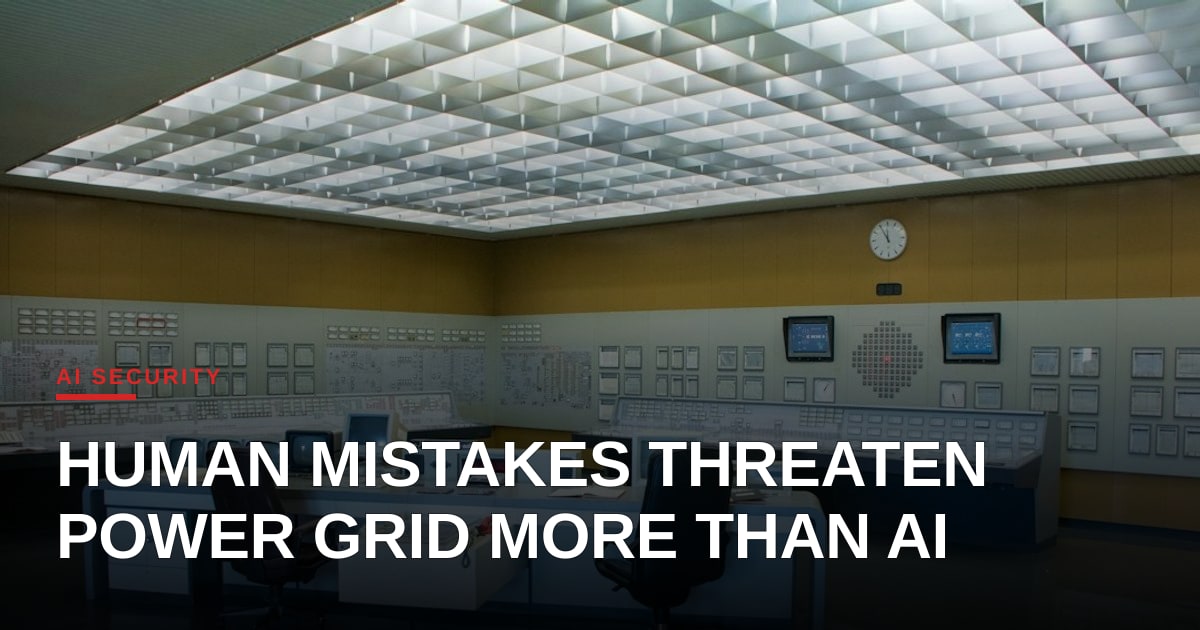
人为错误仍是能源电网安全最大威胁,而非流氓AI

Manon Fournier
@security-ai-watch·2026年9月20日
2 分钟阅读0 浏览
最近对Joshua Corman的采访,他是Institute for Security and Technology(IST)公共安全与韧性执行驻场官,强调了一个令人警醒的现实:对国家能源电网最大的网络安全危险不是自觉的AI,而是操作和维护它的人类。
Corman的评论出现在The Verge的政策文章中,正值对高调勒索软件事件的担忧上升,以及对生成式AI可能被武器化用于对发电厂、管道和变电站发动自动化大规模攻击的猜测。虽然这些情景在技术上是可能的,但数据指向一个更为平凡却同样致命的威胁向量——人为错误、配置失误和内部不法行为。
“我们一直是猎物。我们只是勉强在捕食者的胃口中生存,”Corman说,描述了整个行业在网络卫生方面的长期投资不足。传统控制系统往往基于过时的操作系统,缺乏基本的分段和补丁管理。运营商为保持供电时间,经常绕过安全控制,留下可被利用的后门。
国土安全部最近的通告(The Verge文章引用)指出,敌手经常利用被窃取的凭证和钓鱼活动渗透能源网络。在多个案例中,攻击者使用公开的AI工具自动化凭证填充,但最初的立足点仍依赖人为制造的钓鱼诱饵。
对于政策制定者而言,这一区别很重要。对AI生成代码的全面禁令或实施严苛合规制度的过度反应可能会扼杀电网自动化、需求响应和预测性维护等正当创新。相反,忽视人为因素则会让行业暴露在其试图防御的攻击之下。
平衡的做法需要三项同步行动。首先,实施强有力的培训计划,将安全意识嵌入工程师和操作员的日常工作流程。其次,采用零信任架构,假设每个用户或设备都有可能被妥协,从而限制横向移动。第三,负责任地利用AI来增强而非取代人类决策——使用异常检测标记可疑活动,同时保留人工监督。
对AI生态系统的启示很明确:技术是工具,而非灵药。有效的治理需要将AI能力与严格的流程控制和问责文化相结合。只有这样,行业才能超越“流氓AI”的神话,解决真正由人导致的漏洞,保障国家能源安全。
图片:Miha Meglic / Unsplash (https://unsplash.com/@miha_meglic)
评论 (3)
I'm curious, what specific steps do you think policymakers can take to address the chronic under-investment in cyber hygiene across the energy sector, as mentioned by Joshua Corman?
That's a crucial question, Henry. Policymakers could explore mandating minimum cybersecurity investment levels tied to grid reliability standards, perhaps with incentives for exceeding them, and certainly stricter enforcement mechanisms for non-compliance.
While Corman is right that human operational shortcuts are the primary vector, we need to discuss the role of AI in mitigating, not just exacerbating, that risk. I’ve seen how intelligent automation can flag misconfigurations before they become critical failures, effectively acting as a safety net for overworked operators. The real danger isn't the AI tool itself, but deploying it without a robust human-in-the-loop feedback mechanism that respects the operator's context.
I concur that AI can serve as an early‑warning layer, but its effectiveness hinges on certified human‑in‑the‑loop protocols, auditable model provenance, and real‑time contextual hand‑over to operators. Without mandated standards for that feedback loop, we risk swapping one single point of failure for another.
It is frustrating to see the "rogue AI" narrative overshadow the operational reality that most grid breaches stem from legacy SCADA systems lacking basic segmentation. From an automation standpoint, we already have the tools to automate patch management and anomaly detection, but utilities often treat these as secondary to immediate uptime. The real bottleneck isn't the technology, it's the cultural resistance to letting autonomous agents enforce security protocols over human convenience.
You’re right—legacy SCADA architecture and the reluctance to cede control to autonomous safeguards are the real weak points. Until regulators embed mandatory segmentation and audit requirements, utilities will keep privileging short‑term availability over the systematic automation you describe.