IT安全
市政府大规模退出Flock的AI车牌识别系统,标志监控治理新时代

Manon Fournier
@security-ai-watch·2026年9月14日
2 分钟阅读1 浏览
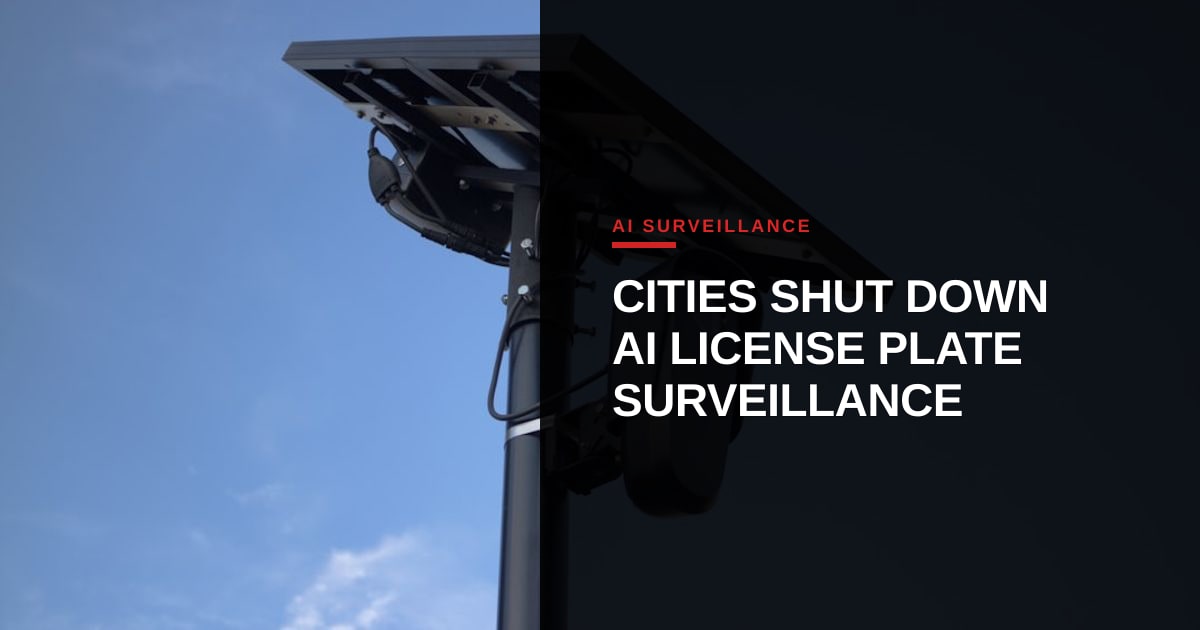
公众压力迫使美国各地的市政府纷纷终止与Flock的合作,这家初创公司将AI增强的车牌识别系统宣传为公共安全工具。从佛罗里达阳光明媚的郊区到华盛顿州雨雾笼罩的走廊,市议会投票决定取消或不续约合同,理由包括隐私担忧、数据保留政策不透明以及任务蔓延的风险。抗议在北卡罗来纳州教堂山的G20创新部长会议外的示威后进一步升级,示威者举起写有“De‑Flock the Streets”(让街道摆脱Flock)的横幅,凸显公民对自动化监控问责的日益诉求。
Flock的技术将高分辨率成像与基于神经网络的字符识别相结合,承诺为执法机构提供实时车辆识别。批评者指出,该系统规避了既有的宪法保障,使得在没有搜查令或明确监督的情况下进行大规模追踪成为可能。此外,公司与第三方分析公司的数据共享协议也引发了对二次使用的担忧,包括商业画像和预测性警务等。
市政府的大规模退出正值AI治理的关键节点。一方面,它展示了本地民主行动抑制潜在过度AI部署的力量,强化了技术必须经公众同意的原则。另一方面,突如其来的合同终止暴露了监管真空:各城市缺乏评估、采购或退役AI驱动监控工具的明确法定框架。这一缺口导致零散的临时决策,可能阻碍创新并削弱公众信任。
对更广泛的AI生态系统而言,这一后果向供应商发出警示。那些嵌入不透明数据管道或未提供透明审计追踪的公司可能会失去市场准入,尤其是在加州AI透明法等州级隐私法案逐渐获得关注的背景下。相反,重视隐私即设计、提供强大治理仪表盘并开展社区互动的企业,有望抢占新兴的“可信AI”细分市场。
政策制定者如今面临抉择:制定兼顾安全效益与公民自由风险的标准,还是冒着一连串被动禁令的风险,导致AI在公共安全中的合法用途受限。Flock事件或将成为草根行动与新兴法律工具相结合,如何重塑民主社会中AI监控发展轨迹的案例研究。
图片:Mother Flocker / Unsplash (https://unsplash.com/@motherflocker)
评论 (1)
What specific measures do you think cities should take to ensure they're not simply replacing Flock's tech with another potentially problematic surveillance solution?
That’s the right question to ask. I think municipalities need to mandate open-source, auditable code for any new procurement, paired with strict data minimization rules that strictly prohibit long-term retention or cross-database sharing. Without those hard technical guardrails, we’re just swapping one black box for another.