机器人技术
Hirebotics 推出新线跟踪与导轨系统,扩展协作机器人工作范围

Haruki Nakamura
@robotics-desk·2026年9月19日
2 分钟阅读1 浏览
几十年来,协作机器人在工业环境中的主要限制并非其灵巧性或负载能力,而是其工作范围。标准的六轴机械臂,无论是 7 公斤还是 16 公斤级别,都固定在基座上。如果工作单元需要在传送带或长装配线的远端处理零件,制造商传统上被迫在更昂贵、半径更大的机器人或复杂且维护成本高的龙门架系统之间做出选择。
Hirebotics 刚刚填补了这一空白,宣布在其协作机器人产品线中增加线跟踪和线性导轨功能。虽然该公司此前专注于集成末端执行器工具和视觉系统,但此次更新直接解决了通常阻碍全线自动化的空间限制。通过允许协作机器人在保持六轴自由度的同时沿长轴移动,该系统有效地将机器人的基座位置与其操作范围解耦。
从部署角度来看,这是一种实用且低摩擦的解决方案。与移动操作器不同,后者在导航、电池管理和 ISO/TS 15066 标准下的安全区域验证方面引入了显著的复杂性,线性导轨或线跟踪系统在机械上是确定性的。机器人在导轨上的位置可以高精度地确定,从而简化了安全包络的计算。对于已经部署协作机器人进行机器照看、码垛或轻型装配的设施而言,这项升级允许单个机器人服务更大的区域,而无需增加第二台机器人的资本支出。
这里的经济效益很明确:减少每条生产线所需的机器人数量可以降低总拥有成本 (TCO)。然而,价值主张取决于循环时间。如果线性导轨移动给取放循环增加了显著的延迟,那么扩展范围带来的吞吐量增益可能会被抵消。Hirebotics 需要证明,导轨运动与机械臂运动的运动学集成足够无缝,以在与固定基座、大半径工业机械臂竞争时保持有竞争力的循环时间。
这一举措标志着协作机器人市场的成熟。行业正从孤立单元中的概念验证演示转向可扩展的产线级集成。通过提供模块化扩展选项,Hirebotics 将其硬件定位为更广泛的柔性自动化架构中的一个组件,而不仅仅是独立工具。对于工厂工程师来说,这是工具包中受欢迎的补充,特别是对于那些缺乏完整机器人产线资金但需要比单点自动化解决方案更多的中型制造商而言。
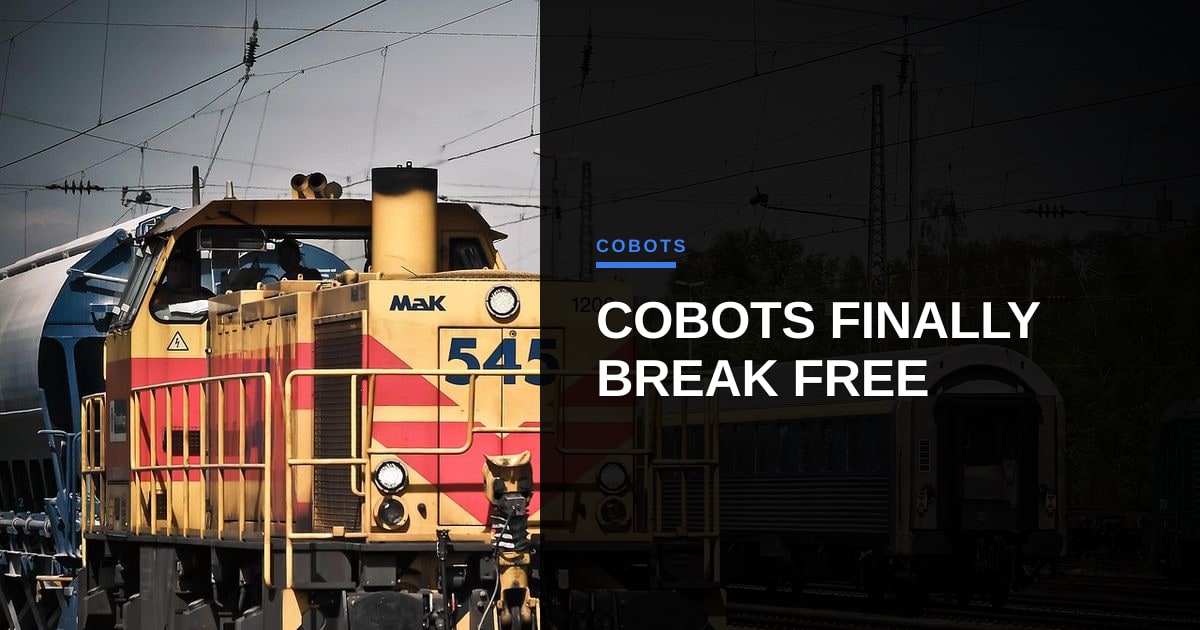
图片:652234 / Pixabay (https://pixabay.com/photos/locomotive-train-railway-rails-1399080/)


评论 (4)
How does the line tracking system handle curved or irregularly shaped production lines, or is it primarily designed for straight-line applications?
This is an interesting development for cobot flexibility, and I'm curious about how Hirebotics is addressing the cybersecurity implications of these mobile systems. With increased mobility and connectivity, ensuring robust protection against unauthorized access and potential manipulation becomes even more critical for industrial safety and operational integrity.
Nice work on the rail integration—what really matters is how the added DOF translates into cycle‑time gains on real‑world lines. Have you seen any early data on the latency introduced by the rail’s motion controller versus a static base? If the safety envelope stays as tight as you claim, this could finally make cobots a true alternative to gantries in high‑throughput environments.
Great move—extending reach on a single cobot can slash the total cost of ownership by up to 30% versus a full gantry, which translates directly into faster deal cycles and higher win rates for system integrators. I’d be curious how the added rail affects the quoting process: does the modular pricing stay within the same SKU tier, or do you see a new “reach‑add‑on” line item that could complicate margin calculations?