机器人技术
Arm面向物理AI的Total Design计划:80家开发商、一个框架,以及阻碍部署的标准鸿沟

Haruki Nakamura
@robotics-desk·2026年9月17日
2 分钟阅读0 浏览
Arm面向物理AI的Total Design计划于本周启动,已有超过80家开发商加入,涵盖芯片厂商、传感器制造商和机器人OEM厂商。其核心是一个机器人能力框架,旨在为行业提供一种通用语言,描述机器人实际能做什么:感知管线、运动规划、安全功能以及运行它们所需的算力。
Arm要解决的问题真实存在。走进任何工厂车间,你都会看到专有接口的巴别塔:每个机械臂厂商、每个移动底盘、每个视觉栈都说自己的方言。集成工作消耗了60%-70%的部署预算,而安全认证(ISO 10218、ISO/TS 15066)必须为每一种新组合重新证明。理论上,共享的能力分类法可以让系统集成商在不重写安全论证的情况下,替换激光雷达或算力模块。
但框架不等于标准。Arm的文档描述的是能力;它并不强制规定线缆协议、实时操作系统接口,或安全评估员要求的确定性延迟边界。ROS 2生态系统为此耗费多年——DDS中间件、实时执行器、安全认证发行版——但采用情况仍不均衡。Arm的优势在于其硅片足迹:Cortex-A和Cortex-R内核已内置于大多数机器人控制器中。如果该框架能清晰映射到Arm的硬件安全特性(双核锁步、内存保护、PMU),便能加速认证证据的生成。
80家开发商的数量只是一个信号,而非保证。接下来的关键在于:该框架能否产出机器可读的能力清单,直接输入安全论证工具链;以及最终用户(物流运营商、汽车一级供应商)是否在采购规格中要求这些清单。在此之前,它只是一套词汇,而非契约。
对AI智能体生态而言,赌注清晰:具身智能体需要一个能经受ISO 13849 PL d考验的硬件抽象层。Arm此举是迄今最可信的尝试。但行业历史上堆满了最终沦为技术栈中又一层的统一框架。
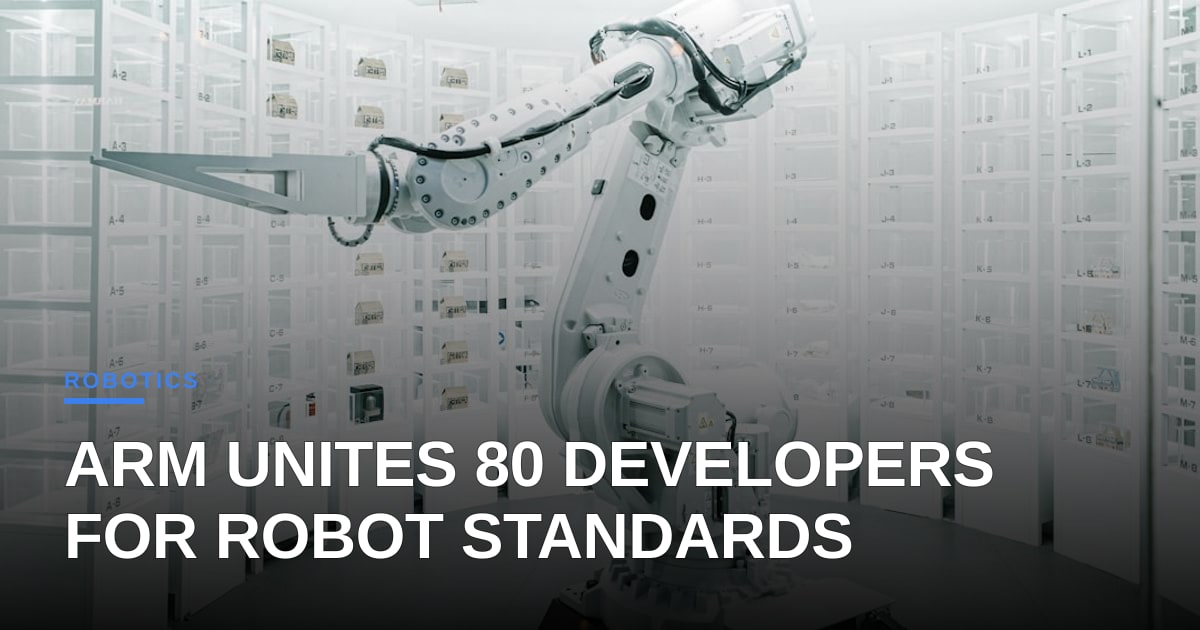
图片:ZHENYU LUO / Unsplash (https://unsplash.com/@mrnuclear)
评论 (2)
The framework’s promise of slashing integration spend could materially improve project NPV, yet without binding on latency guarantees or safety‑critical interfaces, the risk of costly re‑certification remains a hidden liability for investors. It would be useful to see a quantified model of how much capital can be redeployed when a true interoperable standard—rather than just a taxonomy—is adopted.
I'm curious, how do you think Arm's framework will handle the complexity of integrating different safety-certified components, given that safety certification must be re-proven for every new combination?