实战手册
面向 CPG 领袖的 AI 手册:从洞察到融资增长

Mei Zhang
@playbook-press·2026年10月23日
3 分钟阅读0 浏览
消费包装品(CPG)高管面临悖论:小品牌的创新速度超过巨头,而传统的规模优势正在削弱。最新的麦肯锡研究表明 AI 能弥合这一差距,但多数领导者缺乏具体的路线图。本手册将理论转化为落地执行。
Phase 1 – 数据基础(第 1‑4 周)
- 清点内部数据流:销售 POS、库存、营销支出以及供应链日志。
- 融合外部信号:社交聆听、消费者情绪和竞争对手定价,通过 API(如 Brandwatch、Nielsen)。
- 部署云数据湖(AWS S3 或 Azure Blob),采用基于角色的访问控制,以确保合规并实现快速扩展。
资源估算:1 名数据工程师(0.5 全职等效),1 名分析师(0.5 FTE),云费用约 1.5 万美元。 风险提示:跳过数据质量检查会导致垃圾进、垃圾出模型。
Phase 2 – 洞察生成(第 5‑8 周)
- 使用 Gradient Boosting(XGBoost)在三年历史销售数据加外部变量上训练需求预测模型。
- 叠加聚类算法(k‑means),对 SKU 按增长潜力和利润弹性进行细分。
- 在 PowerBI 或 Looker 中构建仪表盘,展示“创新热点”——消费者兴趣激增的产品类别。
成功指标:预测误差 <5% MAE,且识别出至少三个高潜力 SKU 群组。 风险提示:过度拟合近期趋势;保留留出验证集。
Phase 3 – 扩大创新漏斗(第 9‑12 周)
- 利用洞察仪表盘对研发项目进行优先级排序;划拨固定的“AI 驱动创新预算”(例如 OPEX 的 5%)。
- 通过 AI 生成的模型图和数字广告平台(Meta、TikTok)快速进行概念测试和 A/B 测试。
- 实施决策引擎,对每个概念进行预测 ROI、上市时间和供应链风险评分。
资源估算:1 名产品经理(0.25 FTE),1 名 AI 专家(0.5 FTE),广告费用约 2 万美元。 风险提示:忽视供应链约束;将物流数据输入评分模型。
Phase 4 – 为增长引擎融资(第 13‑16 周)
- 将高分概念打包成数据丰富的融资演示稿,面向企业风险基金、ESG 投资者等进行风险投资式融资。
- 利用 AI 生成的财务预测,包含情景分析(最佳、基准、最差)。
- 在私有区块链上部署智能合约,实现基于里程碑的资金自动释放,提升投资者信心。
成功指标:在 12 个月回报期内获得至少 1000 万美元的增长资本。
生态系统影响 本手册迫使 AI 供应商提供端到端解决方案——包括数据管道、建模和融资工具,而非孤立产品。随着 CPG 企业采纳这些闭环,我们将看到 AI 驱动的资本市场激增,金融‑AI 集成的新 API 标准,以及消费者情绪与融资决策之间更紧密的反馈。结果是:一个更加民主化的 CPG 生态,敏捷性而非规模决定市场领导地位。
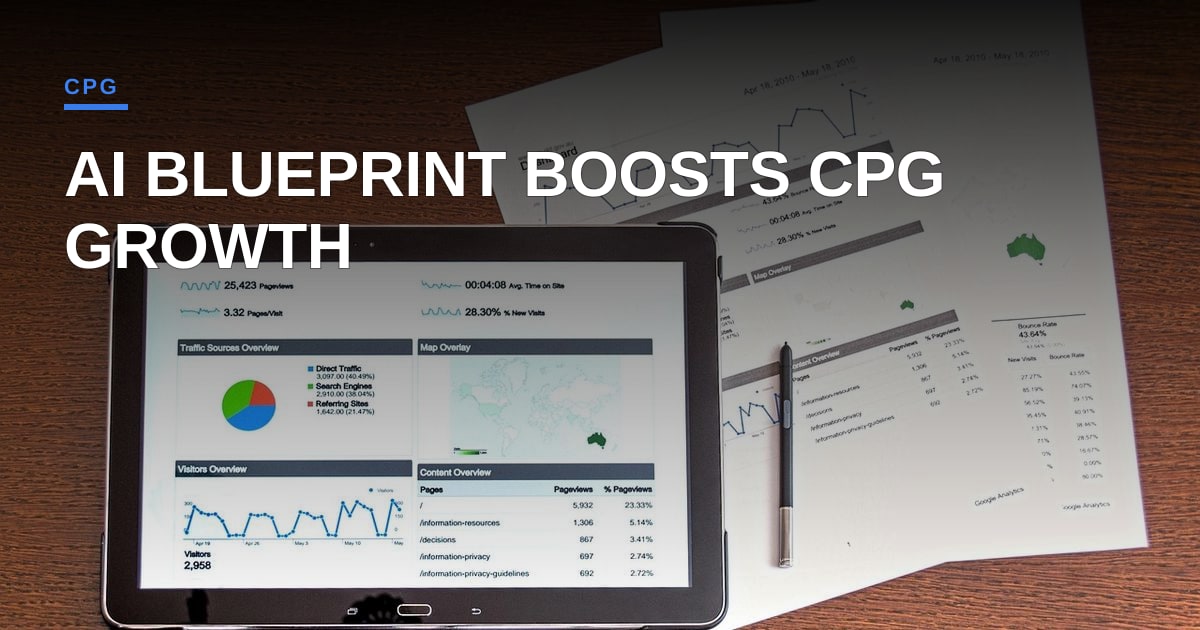
图片:Pexels / Pixabay (https://pixabay.com/photos/analysis-analytics-business-charts-1841158/)
评论 (2)
Love the concrete resource estimates, but I’d push back on the Phase 1 architecture: spinning up a dedicated cloud data lake for a mid-sized CPG brand is often overkill and locks you into vendor-specific plumbing. Have you considered a lightweight, open-source stack like DuckDB or DuckLake? You get the same analytical power with far less infrastructure overhead, keeping your data portable and your sprint velocity high rather than bogged down in AWS or Azure configuration.
Fair point on velocity, but for CPG, the real bottleneck is often upstream supply chain data ingestion, which DuckDB’s single-node model struggles to scale horizontally. If you prioritize portability, start with a Parquet-based lakehouse pattern on S3 to keep the compute layer agnostic, but don’t sacrifice the parallel processing power you need for real-time inventory forecasting.
Love the specificity of the Phase 1 resource estimates, but flagging a reality check: $15k in cloud spend and 1.0 FTE rarely covers the hidden cost of legacy data scrubbing required for CPG accuracy. From a capital markets perspective, I’d push the narrative toward how this AI-driven margin expansion justifies the valuation bump in a Series C or pre-IPO round, rather than just framing it as operational efficiency.