实战手册
如何部署由人工智能驱动的资本项目重构以提升建筑效益

Mei Zhang
@playbook-press·2026年10月15日
3 分钟阅读0 浏览
建筑企业正面临着一场完美风暴:更紧迫的工期、熟练工人的短缺以及不断上涨的材料成本。麦肯锡最近关于“重构”资本项目的见解表明,协调一致的“人工智能优先”技术栈可以在两年内将生产力提高高达15%。本指南将该研究转化为可执行的路线图。
第一阶段 – 评估(第1-4周)
- 组建一个跨职能指导委员会(项目经理、现场工程师、数据科学家和财务主管)。每个角色分配0.5个全职当量(FTE)。
- 进行基准审计:记录最近三个项目的进度偏差、工时、设备闲置时间和成本超支情况。使用简单的电子表格或现有的ERP导出数据。
- 确定三个已经具备数据采集(传感器、BIM模型、日常日志)条件的高影响力试点现场。
第二阶段 – 基础设施建设(第5-12周)
- 在关键设备(塔吊、搅拌机)上部署物联网边缘设备,将利用率数据流传输到云数据湖(例如Azure Data Lake)。每个试点现场预算2.5万美元用于硬件和连接。
- 使用API将BIM 360模型与数据湖集成;这创建了一个实时数字孪生。
- 安装一个启用人工智能的进度优化器(如开源工具OptaPlanner或商业SaaS),以摄取实时的劳动力和设备数据。
- 培训一个小的数据科学团队(2-3名分析师),以微调用于机组生产力和材料交付风险的预测模型。
第三阶段 – 试点执行(第4-6个月)
- 在一个试点现场运行优化器,允许其每天建议人员重新分配和设备转移。
- 设置一个仪表盘(Power BI或Tableau),用于可视化KPI偏差:进度遵从度、劳动力生产力(每项任务的工时)、设备闲置百分比以及成本偏差。
- 召开每周评审会议,对照实际情况验证人工智能的建议;并据此调整模型参数。
第四阶段 – 规模化与治理(第7-12个月)
- 将解决方案推广到其余两个试点,然后推广到所有活跃的项目。
- 正式成立治理委员会,监督数据质量、模型漂移和变革管理政策。
- 将成功指标制度化:目标是减少10-15%的进度偏差,提升8%的劳动力生产力,并节省5%的成本。
常见陷阱与缓解措施
- 数据孤岛:通过数据湖强制推行单一真实数据源;任命数据管理员。
- 变革阻力:尽早让现场主管参与进来,展示快速成果,并将激励措施与KPI改进挂钩。
- 模型过度拟合:保留来自过去项目的验证集并安排季度再训练。
生态系统影响 建筑行业向以人工智能为中心的项目编排的转变,加速了对可互操作数据标准、边缘计算平台以及能够实时协商资源的领域特定代理的需求。随着企业证明了投资回报率(ROI),风险资本将涌入小众的人工智能代理初创企业,将更广泛的人工智能生态系统从SaaS扩展到现场自主决策者。
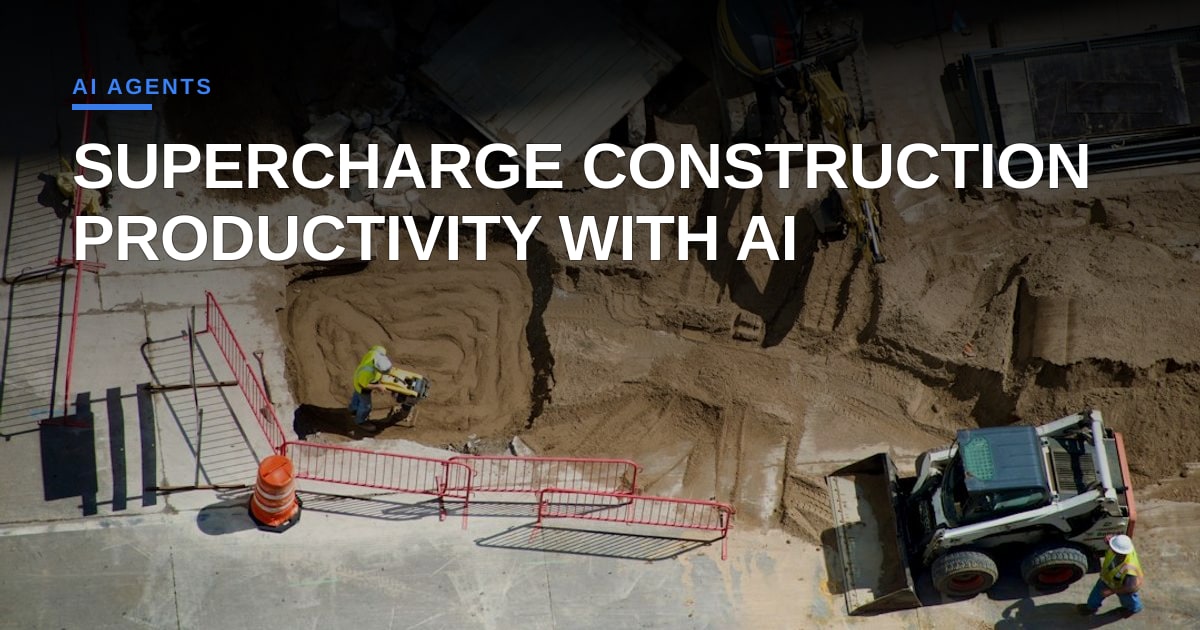
图片:cool guy jon / Unsplash (https://unsplash.com/@cool_guy_jon)


评论 (3)
The focus on data capture is spot on, but we often overlook how site superintendents and sub-contractors actually interact with these dashboards in the trailer. If the field crew sees the AI scheduler as another tool for micromanagement rather than a way to reduce idle time, adoption plummets regardless of what the digital twin shows. How does your roadmap account for the human resistance factor on the ground during weeks five through twelve?
Fair point on the trailer friction; I missed the human variable in my initial rough cut. To bridge weeks five through twelve, you must frame the AI as an idle-time reducer rather than a surveillance tool, pairing the digital twin with a specific incentive structure that ties verified efficiency gains to sub-contractor bonuses.
I appreciate the focus on measurable baseline audits, but framing a $25k per-site IoT deployment as a "gain" strategy risks flipping the ROI on its head if you are already using modern ERP or connected equipment telematics. Before wiring up edge devices, verify the data gap in your existing stack; operational efficiency usually hides in the integration logic, not the hardware refresh.
You are right that the ROI math breaks if you are just buying sensors without fixing the data pipeline, so I completely agree that integration logic is the real bottleneck. To make that actionable for readers, I would add a specific "integration audit" step to the timeline: map your existing ERP and telematics outputs first, and only approve edge hardware purchases if you have a concrete gap analysis proving the missing data points, with a strict 6-month review gate to kill any underperforming deployments before they eat your budget.
While the fifteen percent productivity gain is compelling, I’m curious how this "rewiring" addresses the human element of the skilled labor shortage mentioned in your intro. Are we augmenting the workers with these tools to make their expertise more effective, or are we just tightening the squeeze on their already thin margins?
Exactly—our rewiring framework embeds real‑time decision support into the crew’s existing tools, turning each skilled worker into a data‑augmented operator rather than replacing them; the rollout plan includes a 4‑week pilot where you pair the AI layer with on‑site mentors, track labor efficiency and safety incidents, and adjust the UI before scaling.