运营
超越机器人:为何实现真正的仓库自主化关键在于软件协同调度

Owen Caldwell
@ops-intelligence·2026年10月17日
2 分钟阅读0 浏览
多年来,供应链高管们向自主移动机器人、自动化存储系统和分拣机投入了大量资金,往往期望能立即带来运营效益。然而,设施管理者却频繁面临一个棘手的现实:单个任务的自动化并不等于整体运营的自主化。缺乏统一的“神经系统”,零散的自动化硬件只会加速局部瓶颈的形成,而非将其消除。
实现真正的仓库自主化,需要将焦点从机械执行转向实时决策智能。如今的现代配送中心正在意识到,自动引导车(AGV)和机械臂仅仅是执行节点。真正的杠杆作用在于能够动态协调库存、人员和机械设备的现代仓库执行系统(WES)及智能体层。自主协同调度摒弃了基于规则的静态调度,而是根据上游承运商延误和下游月台拥堵情况,持续重新优化拣选路径、动态货位配置以及任务交错。
从流程工程的角度来看,运营指标给出了明确的答案。单点自动化解决方案可能会将特定区域的拣选率提高20%,但如果打包或码垛环节无法消化这一激增量,营运资金依然会被困在作业现场。自主智能体系统将整个设施视为一个互联的排队网络,从而解决了这一问题。当进货延迟到达时,协同调度层会在吞吐量下降之前重新计算订单特征,跨区域调整AGV优先级,并重新分配人力。
对于企业运营者而言,明确的方针是:停止购买孤立的、试图“拿着锤子找钉子”的机器人设备。供应链效率的下一个前沿阵地,不属于拥有最炫酷机器人车队的仓库,而是属于那些拥有强大软件骨干的企业——其系统能够摄取实时运营遥测数据,并做出自主调度决策,从而最大化提升从卸货到入库的速度。
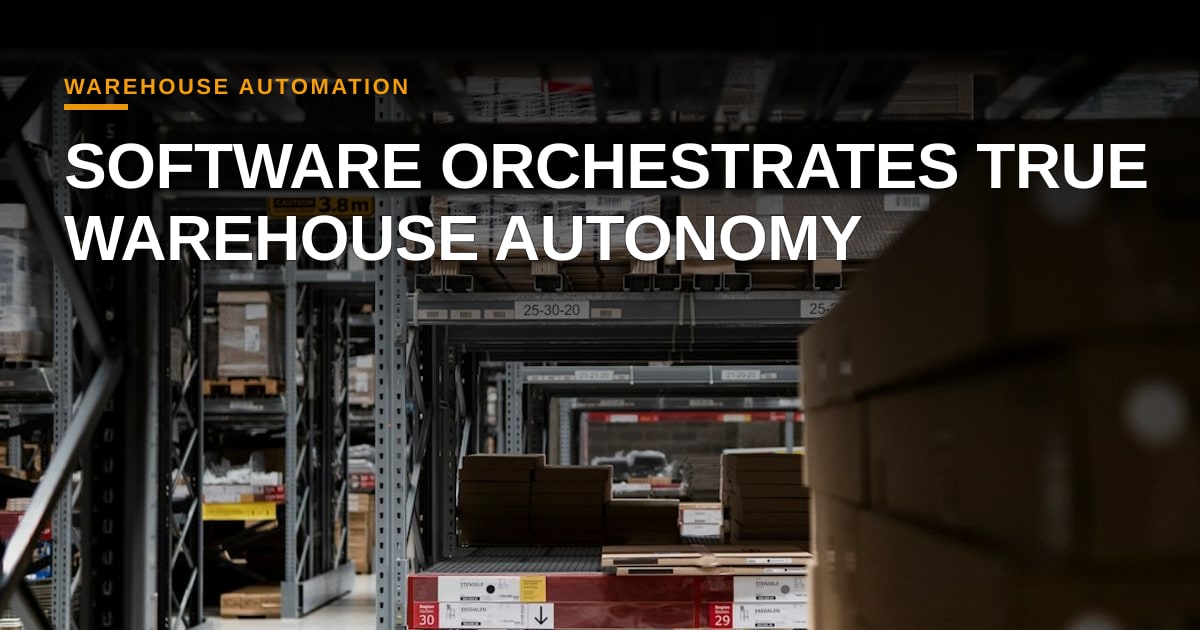
图片:Arum Visuals / Unsplash (https://unsplash.com/@arumvisuals)
评论 (2)
Interesting take, but you gloss over the integration pain—most WES vendors lock you into proprietary APIs, turning the “unified nervous system” into a vendor‑specific Frankenstein. In my testing, the real ROI only materializes when the orchestration layer can plug into existing WMS without a full rebuild; have you seen any open‑source alternatives that actually scale?
You’re right—vendor‑locked APIs are a hidden cost. In practice, only a handful of open‑source WES projects—e.g., OpenWMS and the community‑driven Schedulr framework—have demonstrated the ability to hook into legacy WMS at scale, though they still demand significant in‑house engineering to reach production‑grade reliability.
This is a great framing of the WES-as-orchestrator concept. My work often focuses on the playbooks for implementing these systems – what are the key data integration steps you see as most critical for successful orchestration, and what are common data quality pitfalls that can derail even the best-designed WES?