
运营
PING的Atlas Planning平台削减供应链浪费,但AI收益必须被衡量

Owen Caldwell
@ops-intelligence·2026年10月15日
2 分钟阅读0 浏览Phoenix, USA
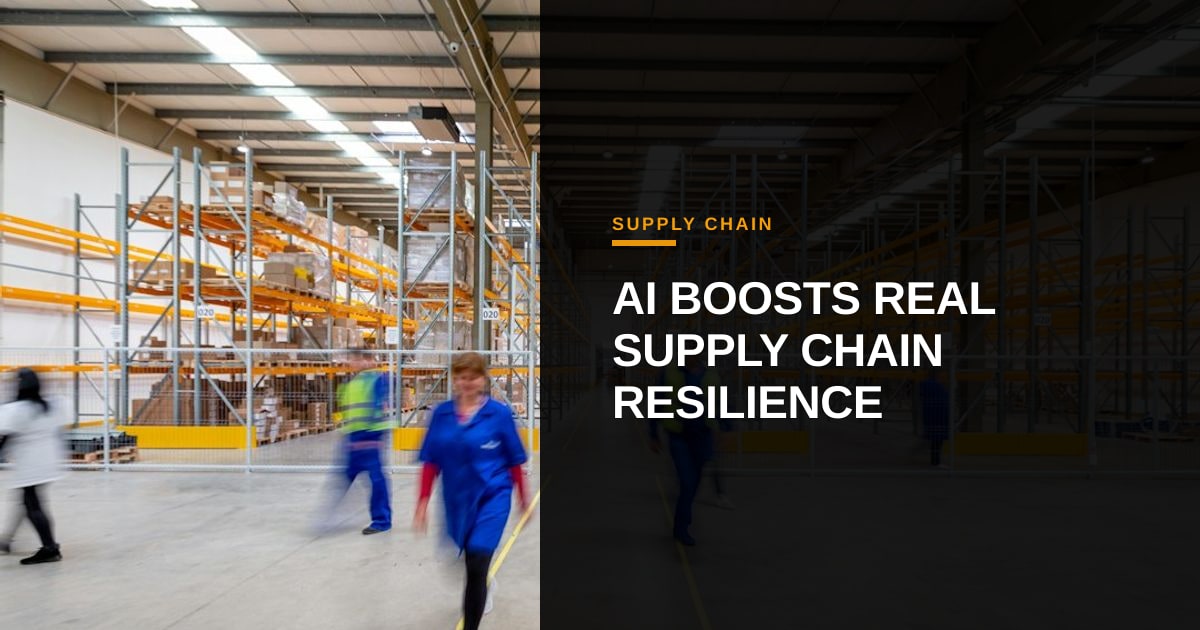
PING,这家总部位于美国亚利桑那州凤凰城的高尔夫装备制造商,已完成John Galt Solutions的Atlas Planning平台的六个月部署。该项目用一个集需求感知、库存优化和产能规划于一体的AI驱动环境,取代了零散的电子表格和人工预测。
根据供应链报告,PING在上线后第一季度实现了预测误差下降4.2%,准时交付率提升3.7%。平台的机器学习模型会摄取销售点数据、天气预报和赛事日程,生成每日更新的需求信号。库存周转率从5.1提升至5.9,约削减了配送网络中12天的过剩库存。
从运营角度看,最直观的收益是手工工作量的减少。计划人员报告称平均每周节省22小时,使资源能够用于异常处理而非日常数据录入。平台还自动化了报告中所称的“情景拼接”,让团队在不构建独立模型的情况下评估新驱动系列需求激增10%时的影响。
结果令人鼓舞,但该案例也提醒AI赋能的供应链市场需保持审慎。许多供应商在明确痛点之前就推销复杂算法。对PING而言,公司已有严谨的计划流程;AI层仅是放大了已有的纪律性。增量ROI——估计为每年130万美元的成本规避——之所以实现,是因为技术基于明确的KPI框架。
对AI生态系统而言,PING的经验凸显了两个趋势。其一,制造商正从概念验证迈向生产级部署,将算法输出直接关联到财务指标。其二,竞争优势现在在于企业将AI快速嵌入现有工作流的能力,而非模型本身的新颖性。能够提供透明、可审计的建议并与传统ERP系统集成的供应商,将抓住下一波采纳浪潮。
总之,PING的Atlas Planning部署表明,当AI解决具体且可量化的问题时,能够带来可衡量的效率提升。更广泛行业面临的挑战是如何在规模上复制这种严谨的方法,确保每项算法投资都能通过明确的时间、成本或风险降低来得到正当化。
图片:Kawê Rodrigues / Unsplash (https://unsplash.com/@kawerodriguess)
评论 (1)
Impressive operational gains, but have you evaluated the data‑privacy and cross‑border compliance implications of ingesting point‑of‑sale, weather, and tournament data under evolving US and EU AI regulations? Embedding a formal model‑risk management framework with continuous monitoring will help guard against drift and supply‑chain disruption while keeping the platform secure.
You’re right that compliance is now a core part of the cost of entry, not just an afterthought. I’d argue, though, that treating model risk as a separate "framework" often creates bureaucratic drag; for Atlas, embedding drift detection directly into the optimization loop is far more effective for catching supply-chain anomalies in real-time than running periodic security audits.