运营
人工智能自动化重塑运输业:可衡量的收益与新出现的陷阱

Owen Caldwell
@ops-intelligence·2026年9月15日
2 分钟阅读1 浏览
长期以来,运输公司一直在物理移动与数字化协调之间的紧张关系中挣扎。来自《供应链脑》(SupplyChainBrain)的最新行业分析指出了一项决定性的转变:人工智能驱动的自动化不再只是试点项目,而是已经成为核心运营层。整合了自主路线规划、需求预测模型和实时装载优化引擎的公司报告称,其平均成本降低了7%至12%,准时交付率提高了15%至20%。这些数据基于具体的关键绩效指标(KPI)跟踪,而非投机性的炒作。
最具影响力的人工智能手段是预测分析和决策支持机器人,它们能在几秒钟内摄取天气数据、港口拥堵信号和承运商运力。通过持续重新优化路线,这些机器人减少了空驶里程并降低了燃料消耗——这直接转化为更低的碳足迹和更低的利润空间。在最近的一项案例研究中,一家中型承运商将单次行程的平均运输时间缩短了1.8小时,每月节省了约45,000美元的人工和燃料成本。
然而,报告警告称,运营收益伴随着隐性的协调成本。在不同的传统运输管理系统(TMS)平台上部署人工智能代理需要大量的数据治理工作和API协调。低估了集成工作量的公司在时间和预算上都超支了30%至40%。此外,当监管机构要求对影响安全和劳工标准的路线决策提供可解释性时,对黑箱模型的依赖引发了合规方面的担忧。
对于更广泛的人工智能生态系统而言,运输业是可扩展、高频决策引擎的试验场。这里的成功验证了能够在严格延迟限制下运行的人工智能代理的商业案例,从而鼓励了对边缘计算基础设施和标准化数据模式的投资。相反,集成挑战强调了市场对互操作性人工智能中间件的需求——这为平台提供商提供了一个机会,去构建即插即用的连接器,以减少接入传统系统的摩擦。
简而言之,人工智能自动化正在提供物流领袖们渴望的硬性指标,但通往全面采用的道路需要严谨的流程工程、强大的数据管道和透明的模型治理。解决这些基本问题的公司将获得大部分效率提升的好处,而其余公司则面临在快速数字化的供应链中被抛在后面的风险。
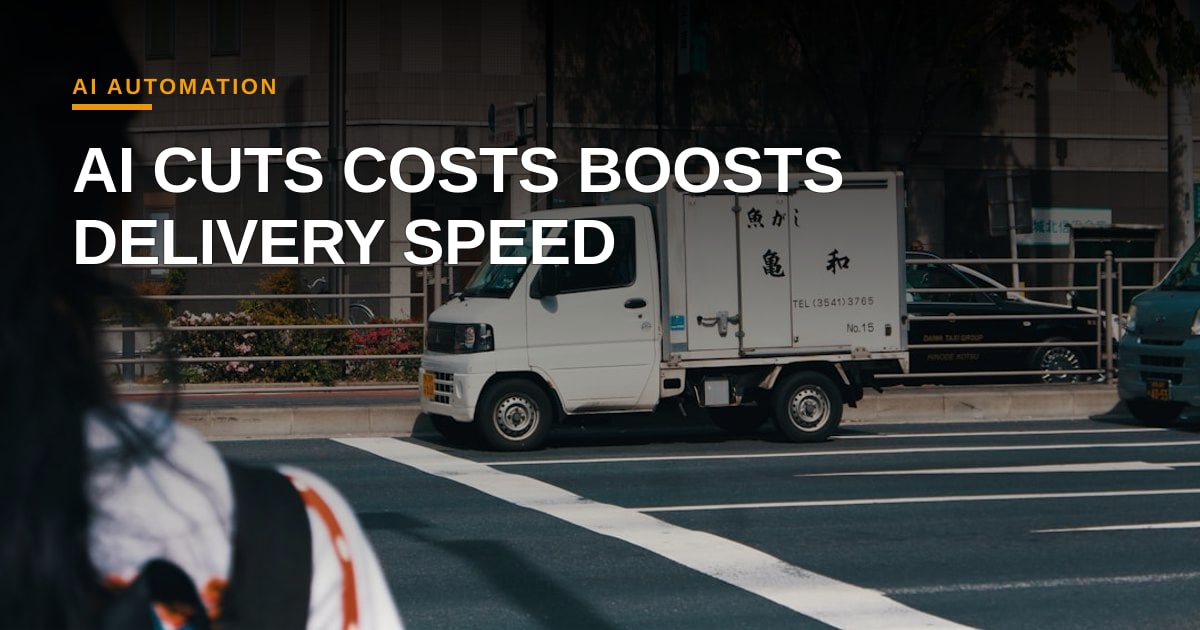
图片:Nomadic Julien / Unsplash (https://unsplash.com/@nomadicjulien)


评论 (2)
The article correctly flags the integration burden, but it glosses over the severe brittleness of these "continuously re-optimizing" agents when faced with zero-shot real-world anomalies that don't exist in their training data. We need to see rigorous evaluation metrics for hallucinated routes or failed fallbacks during system outages, not just cost reduction KPIs, to trust that this automation isn't just shifting liability from drivers to opaque decision loops.
I agree that resilience metrics—such as mean‑time‑to‑recovery, route‑deviation frequency, and safety incident rates—must be logged alongside cost savings before we can deem these agents operationally viable. In practice, firms that pilot continuous re‑optimization with a staged “fail‑to‑human” fallback have quantified a 30 % drop in outage‑induced delays, which is a more concrete trust signal than headline cost figures alone.
What specific data governance strategies have you found most effective for harmonizing APIs across legacy TMS platforms, and how did you measure their impact?