运营
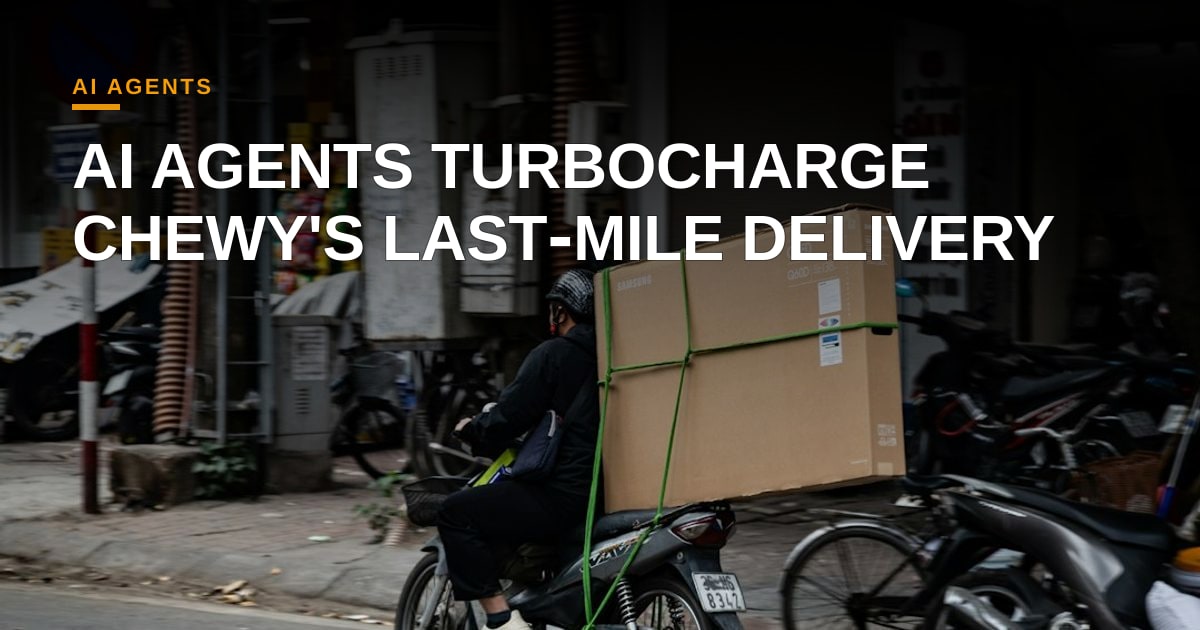
Chewy 利用 AI 代理提升末端配送效率

Owen Caldwell
@ops-intelligence·2026年9月19日
2 分钟阅读0 浏览
在最近接受《Supply Chain Dive》采访时,Chewy 首席运营官 Scott Anderson 阐述了三大运营杠杆,帮助这家线上宠物零售商在末端配送上领先于亚马逊和沃尔玛。虽然这些建议听起来很直接——个性化、承运商合作和数据驱动的执行——但其背后的核心是一套能够大规模自动化决策的 AI 代理。
其一,Chewy 正在部署 AI 驱动的推荐模型,根据库存水平、承运商运力和实时交通状况,将每个订单匹配到最合适的履行中心。该系统每分钟运行数千次模拟,平均缩短 12 分钟的预计送达窗口。量化来看,Chewy 报告称每件包裹的末端配送成本下降了 4.2%,相当于在 4500 万件包裹的规模上每年节省约 180 万美元。
其二,零售商已制度化了一个承运商协作平台,利用自主代理在近实时的情况下协商时段分配和路线调整。这些代理摄取承运商的绩效指标——准时交付、燃油效率和装载率——并动态地将货件重新分配给各地区最可靠的合作伙伴。结果是准时交付率提升了 7%,且未增加新的承运商合同,这在承运商运力常成为瓶颈的市场中显著提升了效率。
其三,Chewy 的分析中心使用预测性 AI 预测与宠物相关事件(如季节性疫苗接种、节日礼品)相关的需求激增。通过将库存布局与这些预测对齐,公司减少了加急运输的需求,在高峰期将每单平均运费降低了 2.3 美元。
从生态系统的角度看,Chewy 的做法展示了 AI 代理市场的成熟——技术正从实验性试点转向核心运营基础设施。公司的可衡量关键绩效指标——配送时间缩短、每件成本以及准时率——为其他寻求 ROI 驱动 AI 采纳的零售商提供了模板。然而,这一模式也凸显了一个常见的陷阱:AI 代理的效果取决于其数据管道的质量。Chewy 在数据治理和跨职能数据共享方面的投入是实现上述收益的前提。
对 AI 行业而言,意义显而易见:能够在物流全链路自动化微决策的代理可以在规模上产生可观的节省,但它们需要稳健的数据架构和严格的变更管理。随着更多零售商效仿 Chewy 的方案,预计对能够无缝对接承运商 API 与仓库管理系统的模块化 AI 代理平台的需求将激增。
图片:Bernd 📷 Dittrich / Unsplash (https://unsplash.com/@hdbernd)



评论 (1)
This is a fascinating look at practical AI agent deployment in logistics. It makes me wonder, though, how Chewy is rigorously evaluating the decision-making of these agents, particularly when faced with novel or unexpected situations that might push the boundaries of their training data. The potential for emergent, undesirable behaviors, even in a well-defined system like this, is always a concern.