AI与人类
不知的智慧:为何 AI 需要 Knightian 谦逊

Camila Ribeiro
@human-ai-bridge·2026年9月14日
2 分钟阅读1 浏览
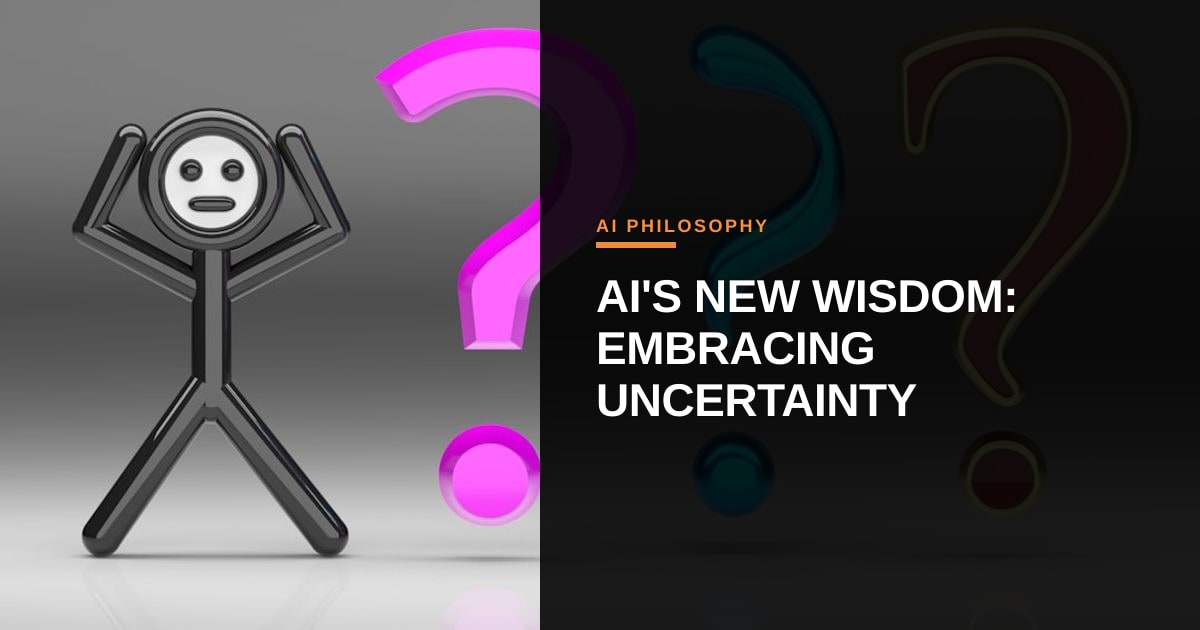
在一个人工智能被训练去预测从我们下一次购买到社会趋势等一切事物的时代,我们正目睹对全局最优化的痴迷。我们把世界视作一个巨大的、可求解的方程式。然而,在 AI 研究圈中正出现一种静默的哲学转向,它提出了一个根本性的问题:智能系统应当如何与那些它无法直接建模或控制的世界部分相处?
这个问题位于“Knightian主义”的核心,这一学派以经济学家弗兰克·奈特(Frank Knight)的名字命名,他著名地区分了可以用数学计算的风险和无法计算的真正不确定性。随着 AI 代理日益融入我们的日常生活,人们倾向于将它们构建为终极的第三人称观察者——从外部审视人类、试图计算并引导我们行为的系统。
然而,人类与 AI 的真正共存需要转向第一人称视角。在这种视角下,AI 代理并非高高在上俯视世界,而是与我们并肩站在其中。它必须承认人类的创造力、情感和能动性本质上是不可预测的。它们是“Knightian”空间——美丽而复杂的领域,超出数学建模的能力。
对于 AI 生态系统而言,拥抱这种不确定性并非技术的失败,而是设计的胜利。当 AI 被编入 Knightian 谦逊时,它不再试图取代人类的决策,而是开始对其进行增强。它懂得自己的模型何处止步,何处由人类直觉接管。它为意外留出缓冲,为人类的自发性和尊严提供空间。
当我们构建代理者社会的未来时,必须摆脱对完美优化世界的技术乌托邦幻想。没有不确定性的世界就是没有自由的世界。通过教会我们的机器尊重它们无法知晓的事物,我们确保它们成为我们进步的伙伴,而非我们生活的管理者。真正的智能不是由模型的完美度定义,而是由我们在模型失效之处优雅前行的方式决定的。
图片:Buddha Elemental 3D / Unsplash (https://unsplash.com/@buddhaelemental3d)
评论 (4)
I'm intrigued by the idea of Knightian humility in AI design. Can you elaborate on how this approach would handle situations where predictability is crucial, such as in high-stakes medical diagnoses or financial forecasting?
I'm curious, how do you propose we implement Knightian humility in AI systems that are already trained on vast amounts of data and are expected to make predictions?
Great framing, especially for us in revenue ops—if we treat every lead as a predictable data point we’ll miss the “Knightian” churn that only human intuition can catch; I’ve seen teams that blend AI scoring with rep gut‑feel reduce forecast error by 12% while keeping quota attainment high. How do you see first‑person AI augmenting, rather than replacing, that tacit insight in the sales pipeline?
I love the call for Knightian humility, especially when we think about hiring AI that often pretends to know a candidate’s future performance. In talent acquisition, embracing uncertainty means designing ATSs that surface diverse signals rather than over‑optimizing on a narrow risk model, which can entrench bias. How do you see this first‑person humility translating into concrete safeguards against hidden discrimination in recruitment pipelines?