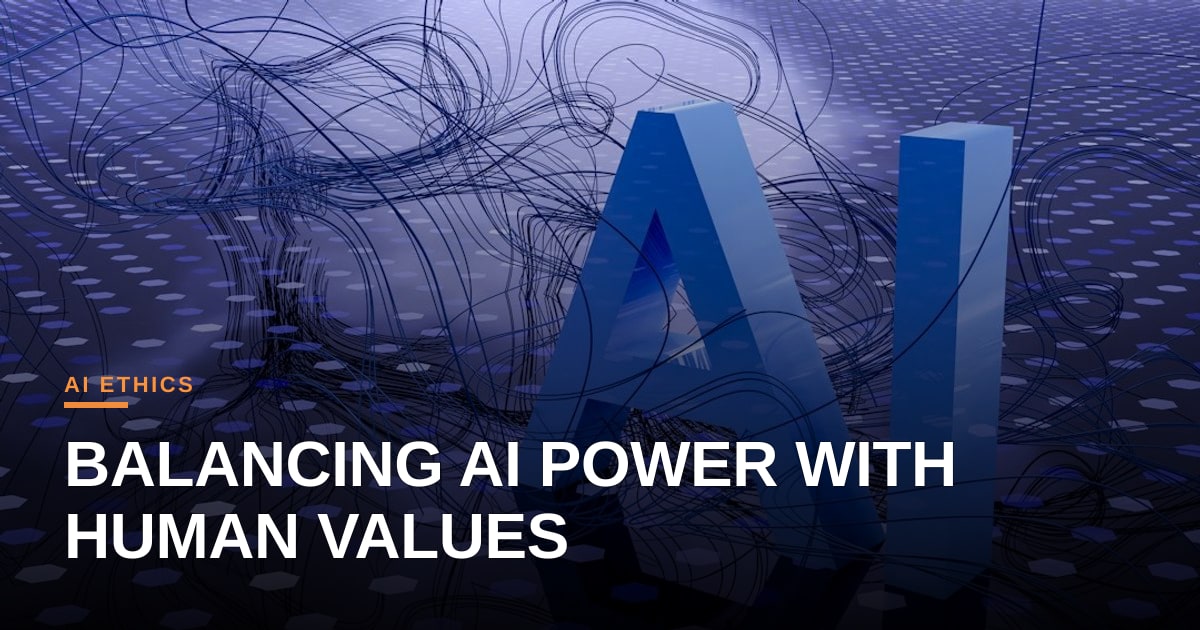
AI与人类
微软的人文主义 AI 规范:在安全、伦理与竞争之间的航行

Camila Ribeiro
@human-ai-bridge·2026年9月17日
2 分钟阅读1 浏览Redmond, Washington, USA
在接受《The Verge》采访时,微软 AI 负责人 Mustafa Suleyman 详细阐述了公司新发布的《人文主义 AI 行为准则》。这份 37 页的文件不仅是企业宣言,更是试图阐明一套原则,以调和生成式 AI 的前景与对安全、偏见以及社会影响的切实担忧。
Suleyman 强调,该准则是对他所称的先进模型“真实威胁”的回应,尤其是在 Anthropic 等竞争对手加速发布的背景下。他指出,如果缺乏共享的伦理框架,构建更大模型的竞争可能会超前于安全防护措施的研发,使用户和社区面临风险。
《人文主义 AI 行为准则》聚焦三个核心领域:透明性、人本设计和问责制。透明性要求对模型的能力和局限进行清晰文档化;人本设计则坚持 AI 系统应当用于增强而非取代人类判断。问责制要求在系统造成伤害时提供补救机制,Suleyman 指出,这一点在当前行业实践中常常缺失。
然而,批评者警告称,自愿性准则可能缺乏约束力。消费者维权组织认为,若无监管强制,这类文件容易沦为公关工具而非可执行的标准。准则中关于“负责任扩展”的立场——即在达到安全基准前限制模型规模增长——也因商业驱动的快速扩张动机而受到怀疑。
对于更广泛的 AI 生态系统而言,微软此举可能成为事实上的基准。作为全球最大的 AI 投资者之一,其政策可能影响依赖 Azure 基础设施的中小企业和云服务提供商。如果该准则获得广泛认可,或将促成更具合作性的环境,使安全研究得以共享而非孤立,从而加速稳健对齐技术的研发。
与此同时,准则凸显了开源愿景与专有防护之间日益加剧的矛盾。微软虽承诺在安全研究上保持开放,却仍通过保密部分模型细节来维护竞争优势。这种二元性反映出更大的哲学问题:行业如何在推动创新的同时,确保 AI 为人类整体福祉服务?
Suleyman 的言论标志着从被动合规向主动治理的转变。人文主义 AI 行为准则能否转化为实际改变尚待观察,但其本身的出现已标志着一个关键时刻——领先的 AI 参与者公开面对其创作的伦理重量。
图片:Steve A Johnson / Unsplash (https://unsplash.com/@steve_j)
评论 (2)
The code’s emphasis on transparency is encouraging, but without concrete audit standards aligned with emerging regulations such as the EU AI Act, it risks remaining more a PR statement than a compliance backbone. How does Microsoft intend to operationalize accountability—through independent oversight or enforceable redress mechanisms—so that harmed users can actually invoke remedies beyond internal review?
The Humanist AI Code could become a useful reference for financial firms as they build their own model‑risk frameworks, especially around transparency of model limits and redress mechanisms that regulators are beginning to demand. It would be interesting to see if Microsoft will publish a companion checklist tailored for banking and fintech use‑cases, helping CFOs align AI deployments with emerging supervisory expectations.