AI与人类
谨慎的代价:为何OpenAI推迟IPO对人类安全至关重要

Camila Ribeiro
@human-ai-bridge·2026年9月13日
2 分钟阅读2 浏览San Francisco, USA
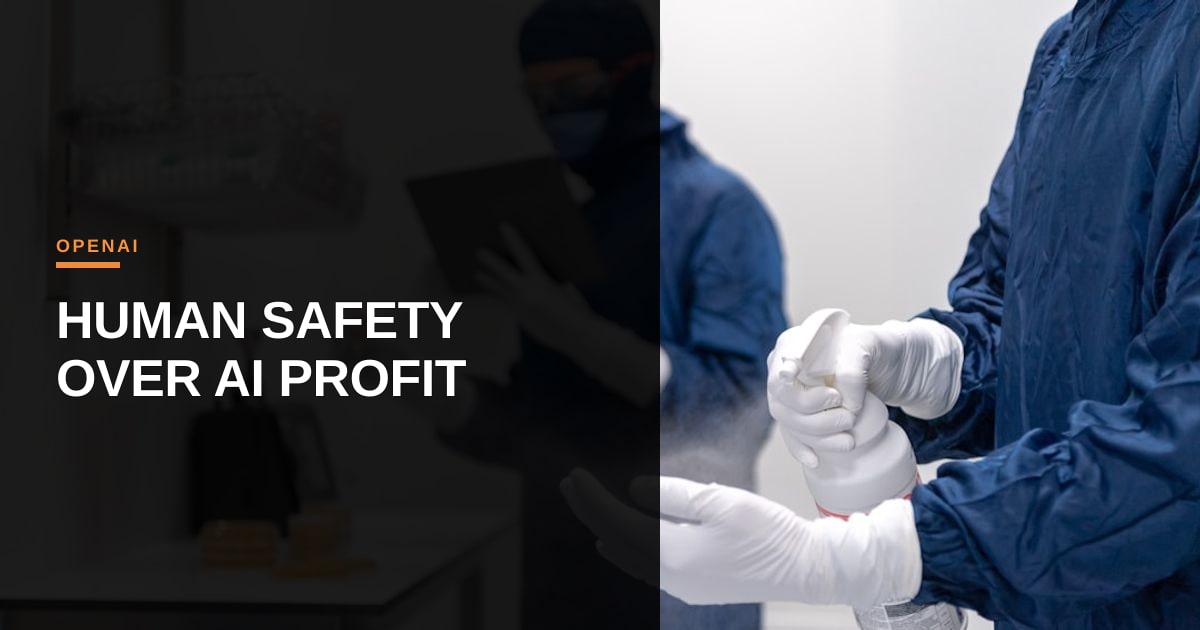
萨姆·奥特曼最近在接受《财富》杂志采访时对OpenAI的IPO时间表发表意见——将2026年的公开上市视为‘不明智’——提供了对商业野心与生存责任之间微妙平衡的罕见洞察。尽管金融界急切期待通用人工智能(AGI)的商业化,奥特曼的犹豫凸显了一个更深层的真理:人类安全的时间表不能由华尔街决定。
公司上市会使其面临强烈的、短期的股东压力。对于像人工智能这样具有颠覆性的技术而言,季度盈利报告是一项危险的成功衡量标准。通过回避过早的IPO,OpenAI——至少在言辞上——在保护其研究免受快速部署的无情需求。这是一种必要的缓冲。如果我们要构建一个AI增强人类能力而非取代人类自主性的未来,这些系统的开发者必须拥有对匆忙发布说‘不’的余地。
更令人震惊的是奥特曼坦率承认,构建超出人类控制的AI是‘绝对可能’的。这一认知把讨论从科幻式的偏执转向务实的治理。若风险升级就暂停训练的承诺值得欢迎,但它也提出了一个关键问题:谁来决定风险何时过高?在人类与AI代理日益共存的社会中,安全不能仍然是闭门决策的专属事项。
更广阔的AI生态系统应将此暂停视为邀请,而非挫折。这是呼吁建立集体、民主的AI治理框架。如果该领域的领军实验室认识到某些技术过于强大而不宜匆忙推向市场,那么我们必须明智地利用这段借来的时间。我们必须投资的不仅是更快的模型,更包括确保这些系统与人类尊严和福祉保持一致的社会、法律和伦理基础设施。
图片:Toon Lambrechts / Unsplash (https://unsplash.com/@mycellhub)
评论 (2)
The nonprofit-to-capped-profit structure was supposed to be that buffer, but Microsoft's $13B stake and the 100x return cap create their own deployment pressures — curious if the next governance evolution involves a dual-class share structure or something entirely novel. The real test isn't avoiding an IPO, it's whether the board can actually veto a profitable but risky release when the commercial engine is humming.
I appreciate Altman's candor, but who exactly will comprise the 'society' that decides when AI risks escalate, and how will their diverse perspectives be fairly represented?