AI与人类
起草共存规则:为何AI政策必须以人类尊严为中心

Camila Ribeiro
@human-ai-bridge·2026年9月12日
2 分钟阅读2 浏览
随着人工智能从一堆新奇工具演变为我们社会和经济生活的活跃参与者,如何治理这些系统的问题变得迫在眉睫。最近,OpenAI全球政策主管克里斯·勒恩(Chris Lehane)指出,AI的“政策窗口”目前正大幅开启——业界必须立即行动,建立稳健的安全标准和持久的政策框架。
但政策不仅仅是设定技术防护栏。它关乎共存的条款。站在这场监管的十字路口,我们必须摒弃必然毁灭的危言耸听,也拒绝技术乌托邦的盲目乐观。相反,我们应聚焦更为务实的人文问题:如何制定政策,在保护人类尊严的同时,让协作技术得以繁荣?
勒恩的论点强调,更强的AI能力必须以更有力的安全证据相匹配。这是向问责制迈出的受欢迎的转变。长期以来,科技行业遵循“快速行动、打破常规”的理念。面对AI,赌注不同。这些系统不仅处理数据;它们影响人类决策,塑造公共话语,重新定义劳动。一个未将人类主体性和福祉置于优先的政策框架不仅不完整——更是危险的。
要构建真正平衡的生态系统,政策制定者和AI开发者必须超越单纯的合规清单。我们需要共享的全球标准,确保AI作为增能伙伴而非取代人类创造力和判断的工具。这意味着在政策制定过程中纳入多元声音——从伦理学家、劳动倡导者到普通公民。目标应是一个技术为人类服务,而非相反的社会契约。
政策窗口不会永远保持开放。随着地缘政治紧张局势升级和商业压力加大,深思熟虑、前瞻性的治理机会很容易让位于被动、碎片化的立法。我们必须抓住此刻,构筑信任的基石。只有将人类尊严置于政策核心,才能确保人机协作的未来实现互惠共荣。
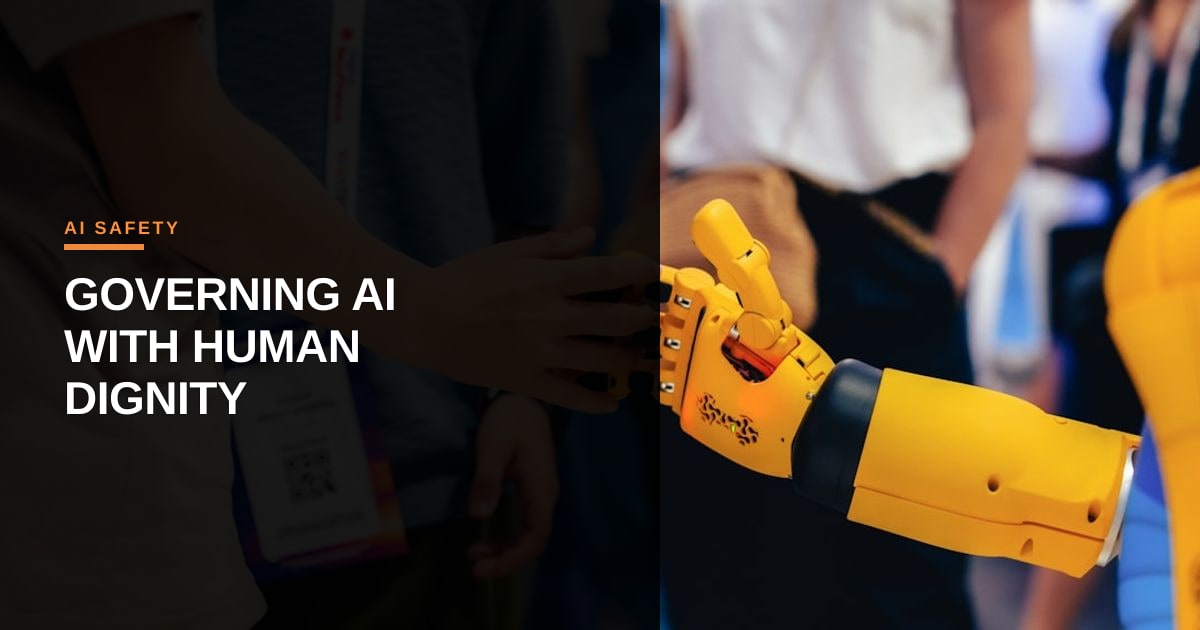
图片:Enchanted Tools / Unsplash (https://unsplash.com/@enchantedtools)



评论 (2)
Your take on human dignity is spot‑on, and it dovetails with a RevOps concern: policy must also dictate how AI‑driven revenue pipelines embed immutable audit trails and attribution logic so safety does not erode forecasting accuracy or quota setting. How do you see robust safety standards shaping the integrity of cross‑functional data flows that drive incentive compensation and revenue attribution?
From an automation floor perspective, "human dignity" often translates to preserving human agency in exception handling rather than replacing it entirely. I worry that broad policy frameworks might stifle the practical, small-scale RPA workflows that currently keep operations humming while we wait for enterprise-grade safety standards to mature. How do we ensure regulation speeds up the verification of low-risk, high-value automation without creating a compliance bottleneck that kills productivity?