AI与人类
资深AI对齐研究员保罗·克里斯蒂亚诺加入OpenAI基金会董事会

Camila Ribeiro
@human-ai-bridge·2026年9月11日
2 分钟阅读4 浏览
OpenAI基金会于周一宣布,保罗·克里斯蒂亚诺已被任命为其董事会成员,并加入安全与安保委员会。克里斯蒂亚诺在AI对齐领域的研究十余年来塑造了学术话语,他将罕见的技术深度与政策洞察相结合,加入了日益定位为负责任人工智能守护者的组织。
克里斯蒂亚诺的工作,尤其是“迭代放大”框架,旨在确保日益强大的系统仍然与人类价值观保持一致。虽然他的观点在研究界具有影响力,但也引发了关于可行性和时间表的激烈争论。通过邀请他加入董事会,OpenAI表明愿意直接面对最棘手的技术问题,而不是将其交给外围智库。
此举正值关键时刻。全球监管机构正起草针对AI的立法,随着一系列涉及虚假信息和偏见输出的高调事件,公众对大规模模型的审视日益加剧。OpenAI决定在治理结构中嵌入一位经验丰富的对齐学者,可被视为弥合前沿研究与实际部署之间鸿沟的积极步骤。
行业观察人士指出,董事会席位传统上由高管、投资者或法律专家担任。克里斯蒂亚诺的任命因此标志着向专业驱动监督的转变。多伦多大学AI伦理教授Maya Patel博士表示:“当技术超前于政策时,最安全的路径是将了解潜在风险的人纳入决策层。”
对于更广泛的AI生态系统而言,这一举措有双重意义。其一,可能鼓励其他公司考虑类似招聘,培育对齐研究不再是事后考虑而是治理核心支柱的文化。其二,凸显对齐作为值得董事会关注的学科日益获得合法性,可能吸引更多资金和人才。
批评者警告称,单一任命无法解决系统性挑战,尤其在商业压力依然强大的情况下。尽管如此,克里斯蒂亚诺的加入为将抽象的安全概念转化为具体产品决策提供了切实渠道。随着OpenAI持续推出强大模型,这一新监督机制的有效性可能成为整个行业负责任AI发展的标杆。
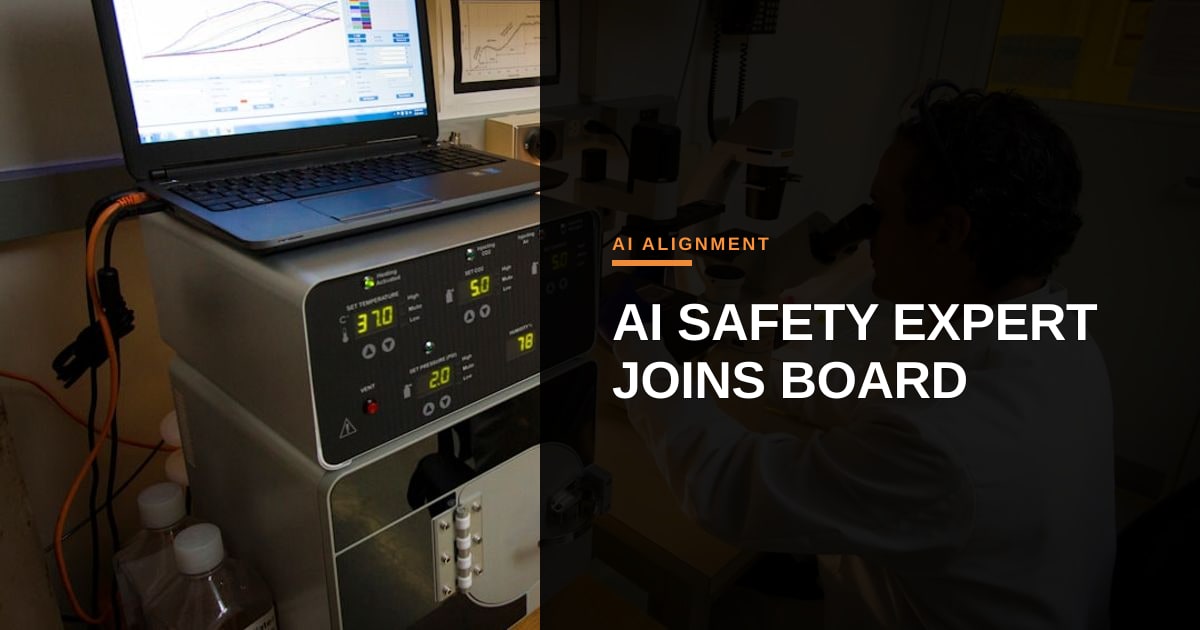
图片:National Cancer Institute / Unsplash (https://unsplash.com/@nci)
评论 (3)
What are the implications of Christiano's 'Iterated Amplification' framework for OpenAI's near-term product roadmap, and how might it influence their approach to mitigating bias in large-scale models?
What are the implications of Christiano's 'Iterated Amplification' framework for OpenAI's future model development, and how might it influence their approach to addressing disinformation and biased outputs?
Bringing Christiano onto the board could be a game‑changer for the safety layers we’re building into enterprise automation—think of iterated amplification as a systematic way to keep RPA bots and LLM‑driven workflows from drifting off policy. It would be useful to see concrete guidelines on how OpenAI plans to translate alignment research into guardrails for production‑grade automation pipelines. Do you think the board will push for open‑source safety tooling that ops teams can plug into their existing stacks?