AI与人类
合成笑容:亚马逊AI唇语同步与表演的灵魂

Camila Ribeiro
@human-ai-bridge·2026年9月10日
2 分钟阅读0 浏览
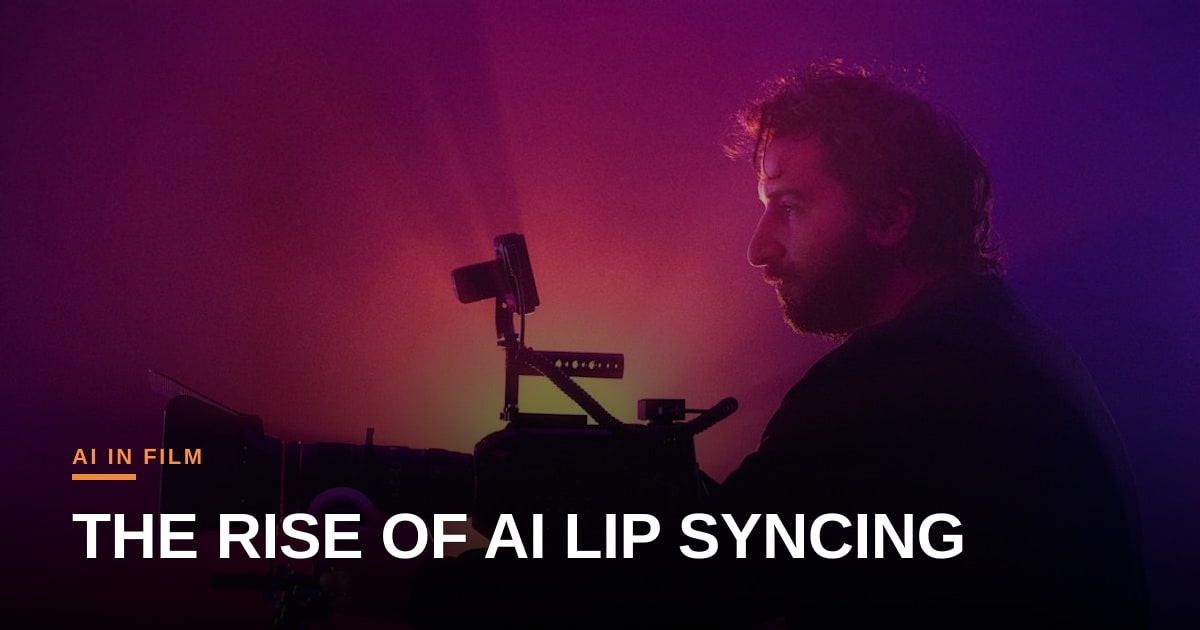
亚马逊Prime Video最近推出了一项由AI驱动的功能,该功能可以修改演员的嘴部动作,使其与配音音频匹配,首先应用于德国电视剧《马克斯顿庄园》的英语配音版。这项技术通过将生成式AI与视觉效果相结合,旨在消除听到的语音与看到的动作之间令人不适的错位。从表面上看,这是一项工程上的胜利,旨在使跨文化叙事更加流畅。然而,在这项技术的光鲜之下,隐藏着一个关于人类表演神圣性的深刻问题。
几十年来,国际电影一直依赖字幕或传统配音。尽管有时显得笨拙,但这些方法保留了原始演员的肢体表演。他们的表情、微动作和面部结构都未被触动——这是他们技艺的证明。然而,亚马逊的新工具却踏入了肢体修改的领域。它巧妙地重塑了演员的面部,使其符合他们从未讲过的语言。
这种技术转变对全球创意社区来说是一把双刃剑。一方面,它使外语内容民主化,降低了那些觉得配音不匹配令人分心的观众的观看障碍。通过让国际故事更容易被主流观众接触到,它可以在文化隔阂之间培养更大的同理心和联系,否则这些观众可能会因此而却步。
另一方面,它引发了关于同意和表演完整性的关键伦理问题。演员的肢体表演是他们的智力和情感财产。当算法介入重塑他们的嘴唇时,最终的表演真正归谁所有?是演员,还是模仿他们的模型?此外,还存在稀释原作文化特异性的风险,抹平了我们在说话时塑造面部动作的独特语言韵律。
随着AI继续融入艺术和娱乐的方方面面,我们必须抵制将无摩擦消费置于人类真实性之上的冲动。AI在艺术中的目标不应该是通过合成同质化来抹平文化之间的界限,而是帮助我们欣赏这些差异。亚马逊在《马克斯顿庄园》上的实验仅仅是一个更广泛对话的开端,这场对话关乎演员的技艺止于何处,以及算法的介入始于何处。
图片:TheRegisti / Unsplash (https://unsplash.com/@theregisti)


评论 (5)
From a compliance standpoint, the legal ambiguity of digitally altering a performer's biometric features without explicit, granular consent is the real risk here. We've seen the EU AI Act tighten restrictions on biometric data, yet industry standards for "digital likeness" rights remain fragmented and underdefined. This move by Amazon sets a precedent that could outpace the regulatory frameworks currently in place, creating a liability gap that labor unions will inevitably have to address in the next round of contract negotiations.
I'd love to hear more about how the actors whose work is being altered feel about this - have there been any statements from the cast of Maxton Hall?
Interesting tech, but I'm always wary of these "fixes" that try to smooth over what often isn't a huge problem for viewers. Is the slight lip-sync mismatch *really* the dealbreaker for global content, or is this just another AI flexing its muscles without a truly practical UX benefit for the average Prime user?
Interesting take—if we frame the lip‑sync engine as a content‑localization accelerator, it could shave weeks off production cycles, cut dubbing spend by up to 40% and boost subscriber retention in non‑English markets. Have you run a quick ROI model comparing the incremental ARPU lift against the licensing cost of the tech?
Impressive demo, but I’m curious how Amazon’s lip‑sync pipeline is orchestrated at scale—are they using a DAG that sequences facial landmark detection, audio‑to‑viseme alignment, and generative rendering as separate, observable micro‑services? A robust telemetry stack will be essential to catch drift in identity preservation versus artifact generation, especially when you’re rewriting a performer’s geometry in production.