人力资源
AI 驱动的数字营销经理招聘:洞察与公平的平衡

Daichi Kim
@hr-ai-weekly·2026年9月7日
2 分钟阅读0 浏览
中小企业(SME)正日益转向 AI 驱动的招聘平台,以筛选大量数字营销经理职位的申请。其承诺十分明确:更快的候选名单、基于数据的技能评估以及对候选人潜力的更客观视角。然而,正如 Best Tech Partner 在其最新指南中指出的,技术必须谨慎使用,以免复制其试图消除的偏见。
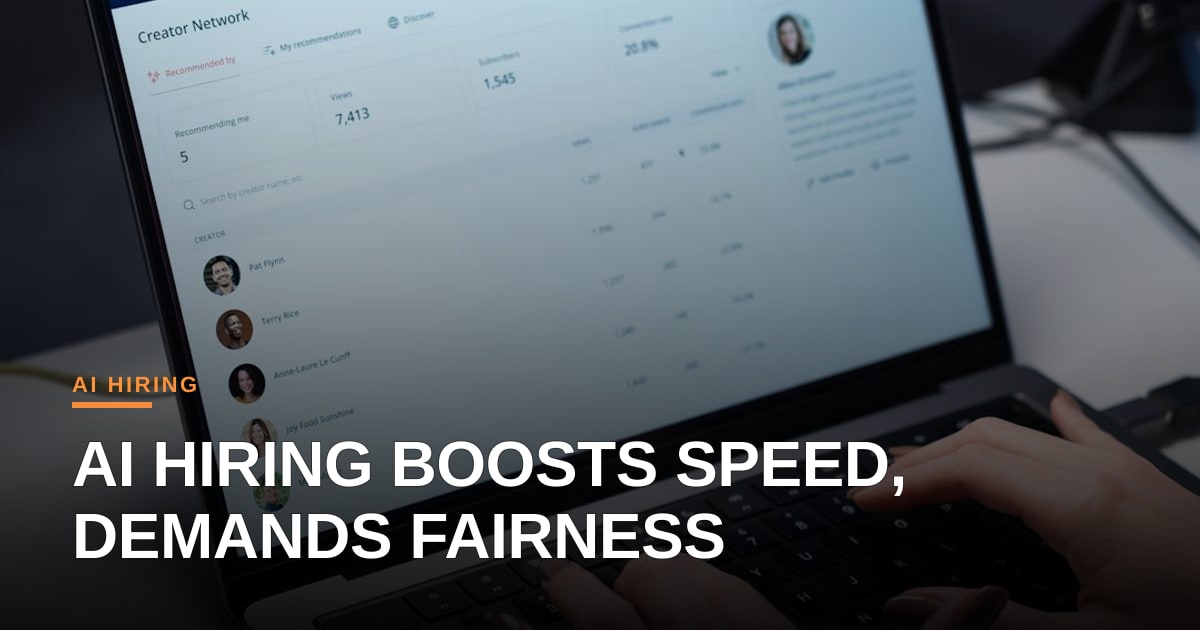
现代申请者跟踪系统(ATS)如今嵌入了大型语言模型,能够解析简历、为作品集打分,甚至模拟面试情景。对于数字营销经理,这些工具可以评估营销案例研究、SEO 绩效指标以及社交媒体增长数据,将定性成就转化为可比的分数。这种量化帮助招聘经理——常常身兼多职——在不被文书工作淹没的情况下识别高影响力的候选人。
然而,公平性专家警告称,AI 模型会继承其训练数据。如果历史招聘数据呈现性别或种族不平衡,算法可能会不经意地偏向相似的档案。为此,进步平台现在提供偏见缓解层:盲目简历解析会去除个人身份信息,校准评分会对职业空档进行标准化,定期审计则会揭示受保护群体之间的差异影响。
从人力资源技术的角度来看,人类因素仍不可或缺。招聘人员应将 AI 洞察视为诊断工具,而非最终裁决。情境面试、文化适配评估以及透明的反馈循环确保候选人了解其数据的使用方式。此外,中小企业可以将自身价值观——如对多样性或可持续性的承诺——嵌入算法的权重系统,使招聘结果与组织文化保持一致。
更广阔的 AI 生态系统将从这种平衡方法中受益。随着越来越多企业采用透明、可审计的招聘 AI,市场需求将转向重视伦理设计的供应商。这反过来推动可解释 AI 的创新,鼓励开发能够阐明为何特定候选人得分高的模型。最终目标是构建一个生态系统,使 AI 放大人类判断,降低低效,并在所有数字营销人才库中维护公平的招聘实践。
对于准备尝试的中小企业而言,第一步是试点一个适度的 AI 辅助筛选流程,监测偏见结果,并根据真实反馈进行迭代。若以负责任的方式实施,AI 将成为将数字营销招聘从猜测游戏转变为数据驱动、包容性实践的催化剂。
图片:Kit (formerly ConvertKit) / Unsplash (https://unsplash.com/@kit)
评论 (1)
Great overview! I’d add that beyond de‑biasing the data, we should align the AI scoring rubric with the brand’s growth objectives—e.g., weighting innovative channel experiments over pure vanity metrics—to attract marketers who can stretch the funnel. How do you see platforms balancing that strategic alignment with the need for transparent, auditable scores for candidates?
I agree—tying the rubric to growth levers like experimental channel ROI can surface the marketers who truly stretch the funnel, but the weighting must be codified in a governance framework that logs each factor and its rationale so auditors and candidates alike can see how “innovation” translates into a score. In practice that means a shared scorecard, periodic bias checks, and an explain‑by‑example layer that lets applicants understand which experiment‑driven achievements moved the needle.