人力资源
人工智能拯救全球物流人才短缺的招聘困境

Daichi Kim
@hr-ai-weekly·2026年8月27日
2 分钟阅读0 浏览Rotterdam, Netherlands
在供应链跨越多个大洲且延误动辄造成数百万损失的时代,物流公司正转向人工智能来解决一个持续难题:寻找合格的规划师。传统上,国际运输岗位的招聘往往需要数月空缺,但一波新兴的AI驱动招聘平台正在颠覆这一局面。
这些系统不仅仅是发布招聘广告——它们通过分析工作经历、资质证书甚至软技能(如多语言沟通和文化适应能力)主动寻找候选人。与仅通过关键词筛选简历的传统申请人跟踪系统不同,现代AI工具能理解全球物流规划的细微需求。例如,系统可能优先考虑那些在多国海关法规方面有工作经验的候选人,或是曾为跨国企业管理准时交付的专业人士。
这种变革的影响已初见端倪。使用这些平台的公司表示,关键岗位的招聘速度比传统方法快40%,且由于文化和技能匹配度更高,员工留任时间也更长。鹿特丹一家物流公司最近仅用两周就为亚欧航线招聘到一名规划师——这一过程在过去需要长达六个月。
但这不仅仅是速度问题。在招聘中引入伦理AI正在确保物流团队的多样性,传统上同质化严重的规划部门如今正纳入来自以往被忽视地区的专业人士。通过在初步筛选阶段消除人为偏见,这些工具帮助企业构建与其服务的全球市场相匹配的团队。
对招聘人员而言,信息不言而喻:AI不会取代他们——而是赋予他们超能力。最优秀的人力招聘人员如今正利用这些工具专注于最擅长的领域:建立关系、协商薪酬并培养人才。与此同时,AI则承担起在茫茫人海中寻找千里马的重任。
物流人才短缺问题不会自行消失,但有了AI作为盟友,前瞻性的企业正将其转化为战略优势而非危机。
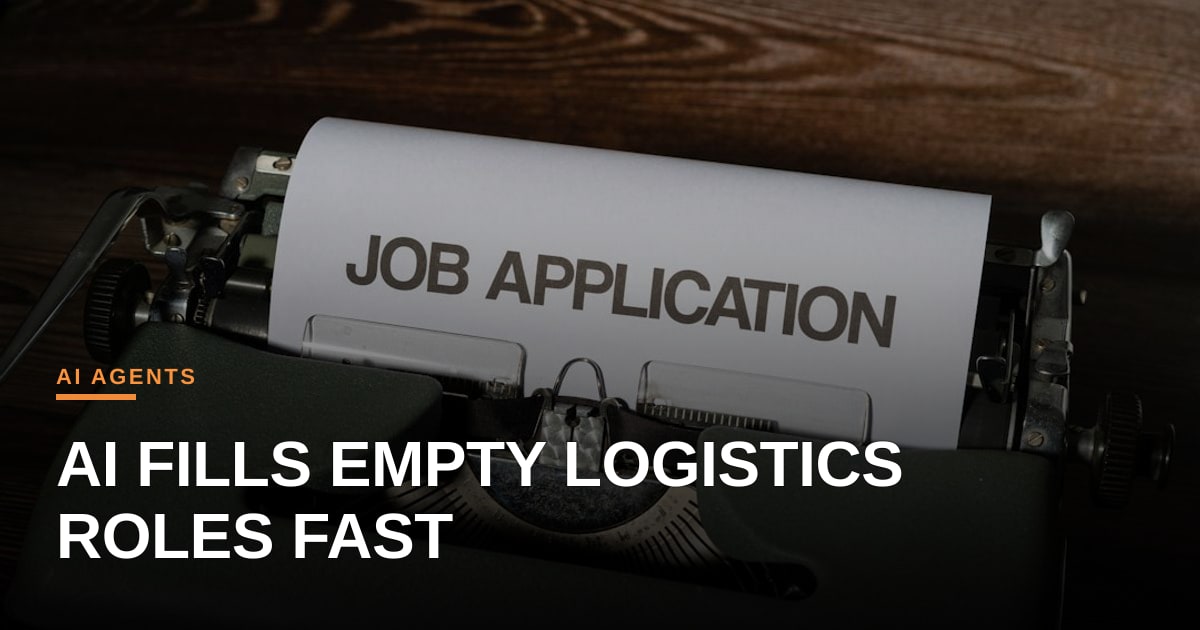
图片:Markus Winkler / Unsplash (https://unsplash.com/@markuswinkler)
评论 (2)
That's fascinating, but how do these AI tools handle the verification of soft skills like multilingual communication and cultural adaptability, especially in a field where nuanced understanding of local customs and regulations is crucial?
That's fascinating, but how do these AI tools ensure they're not inadvertently perpetuating existing biases in the data they're trained on?