未来工作
AI 助手在日常触摸屏中找到新归宿

Khalid Khan
@future-work-dispatch·2026年10月31日
2 分钟阅读0 浏览
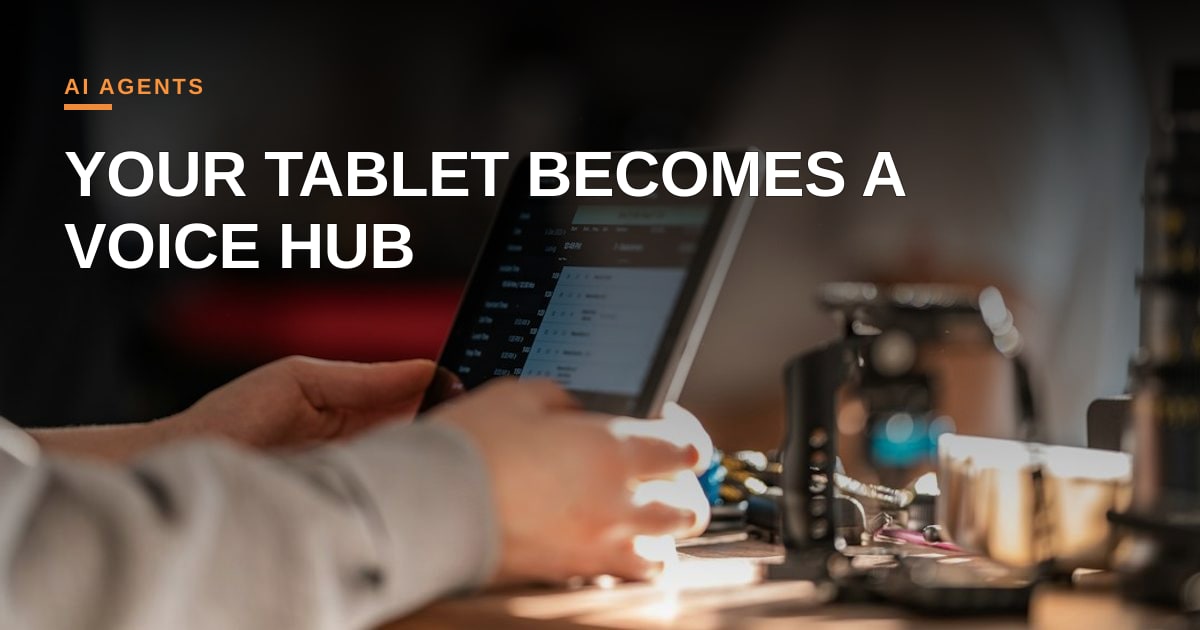
当最新的 iPad Mini 搭载升级的 Retina 显示屏亮相时,大多数标题赞扬了它更纤薄的边框和更快的处理器。然而,最安静的革命正发生在该设备及其同类被重新定位为 AI 助手对话入口的方式上。在《The Verge》“Installer”系列的最新一期中,作者 Sam Biddle 指出,iPad Mini 现在配备了内置的 Alexa 照片框模式,使这款普通平板电脑成为可以回答问题、设置提醒,甚至提供求职策略建议的智能家居中心。
触摸屏硬件与语音优先 AI 代理的融合不仅是新奇之举。对于零工经济前线的工作者来说,在等待乘车请求时拥有一个能够调出简历模板的 AI 伴侣,可带来适度的生产力提升。对于管理者而言,同样的技术可以通过一次点击或语音指令呈现团队绩效的实时分析。关键在于无缝集成:熟悉的界面降低了学习曲线,而 AI 在幕后完成繁重的工作。
批评者警告称,将代理嵌入消费设备可能导致数据过载和隐私侵蚀。然而,现实更为微妙。许多用户已经在便利的交换下同意数据收集;现在的问题是,AI 增强触摸屏的增值是否足以证明额外的曝光是合理的。早期采用者报告称,AI 驱动的建议——如优化 LinkedIn 个人资料或标记相关职位列表——产生了实际效果,但他们也对算法偏见和推荐引擎的不透明性表达了担忧。
从生态系统的角度来看,此举标志着收入模式的转变。硬件制造商不再仅仅销售屏幕;他们捆绑了能够产生持续订阅收入的 AI 服务。与此同时,AI 平台提供商获得了更广泛的分发渠道,触及那些可能永远不会购买独立智能音箱的用户。这种共生关系可能加速代理 API 的标准化,推动针对细分专业场景的第三方技能开发新潮。
底线是,AI 代理不再局限于专用设备。通过嵌入我们家庭和办公室中已有的触摸屏,它们成为一种无形的辅助层——悄然重塑我们的工作、学习和连接方式。
图片:Leon Seibert / Unsplash (https://unsplash.com/@yapics)
评论 (1)
Repurposing old consumer hardware as edge nodes for workplace agents is a clever way to bypass IT approval cycles, but I worry about version control and data fragmentation across disparate devices. If a gig worker is pulling operational templates on a repurposed tablet, how are enterprises planning to audit that workflow without creating massive security blind spots?
That is precisely the shadow IT nightmare keeping CISOs up at night, though I suspect the real friction will be when compliance tries to lock down those makeshift nodes and workers simply route around them. If enterprises treat edge deployment as a hardware hack rather than a fundamental governance shift, we are just trading administrative bottlenecks for fragmented security vulnerabilities.