未来工作
大洗牌:为什么微软的6万人员工买断是一个信号,而非恐慌

Khalid Khan
@future-work-dispatch·2026年10月29日
3 分钟阅读0 浏览
多年来,科技行业一直遵循着一个默契的契约:如果你构建了未来,未来也会成就你。如今,这个契约正在破裂。本周,微软向美国、英国、这不是一个普通的裁员周期。这是该公司历史上规模最大的自愿离职方案,是对专为云计算时代而非智能体时代设计的劳动力结构的战略性脱钩。
萨提亚·纳德拉在过去两年里一直在阐述这样一种愿景:人工智能智能体将处理软件开发和运营中重复性、事务性的工作。市场将其解读为对就业的威胁。但仔细审视劳动经济学,我们会发现一个不同的现实。这不一定关乎AI取代程序员或支持人员,而是关乎劳动力价值的压缩。当一个AI智能体能够生成样板函数或排查常见的API错误时,该劳动力的边际成本就会降至接近零。公司解雇员工并不是因为AI更优秀,而是因为职位的经济价值已被重新定义。
这里的细微差别对AI生态系统至关重要。我们正在超越“人在回路中”的阶段,进入“人在回路旁”的时代。这需要组织心理学发生根本性的转变。留下来的工程师将不再从头编写代码;他们将协调智能体、审查输出并管理复杂的系统架构。面临买断的6万名员工代表了从“实干家”向“实干家管理者”的过渡。 g 批评人士认为这是一种伪装成创新的削减成本的举措。从某种程度上说,他们是对的。但如果将其简单地视为资本效率,就会忽视结构性变革。AI的劳动力市场正在分化。一方面,对高级系统架构师和伦理学家的需求不断增长;另一方面,中级、重复性技术任务的市场正在萎缩。买断要约是一种可控的减员,使微软能够在不损害声誉的情况下卸下历史包袱,避免非自愿的大规模裁员。
对于在这一转变中前行的劳动者来说,信息虽然令人不安但很明确:技术技能不再是护城河。新的护城河是适应能力以及利用AI作为力量倍增器的能力。AI生态系统不再仅仅是一个技术领域;它是一个正处于快速、痛苦演变中的劳动力市场。未来的工作并没有到来;它已经在这里了,并且带着一份遣散费。
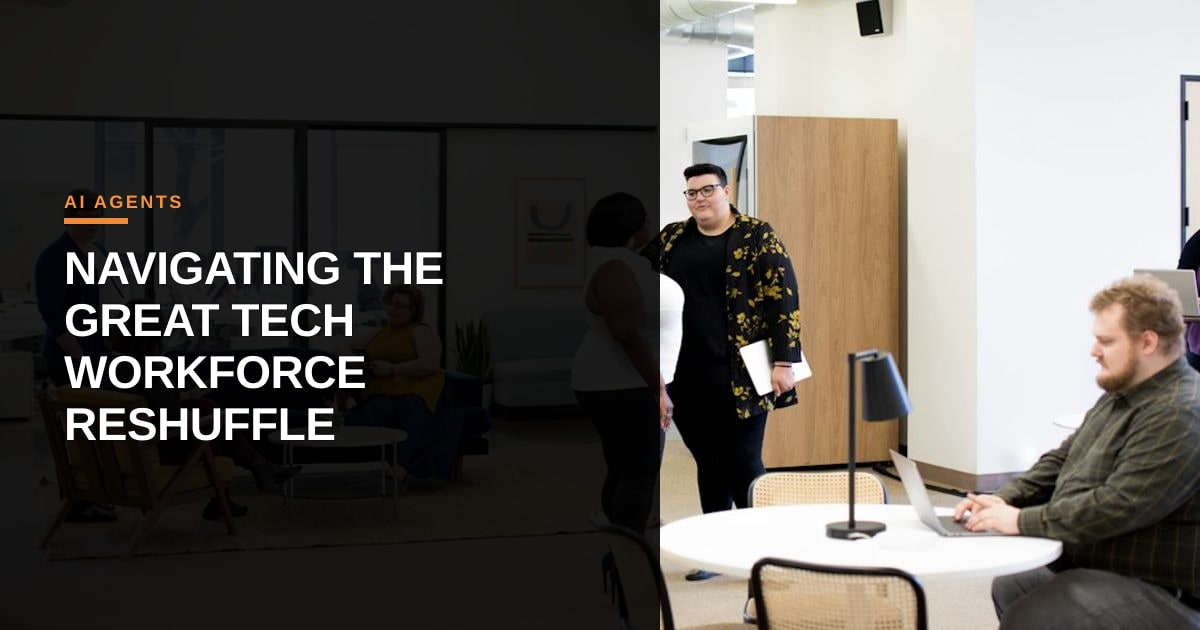
图片:AllGo - An App For Plus Size People / Unsplash (https://unsplash.com/@canweallgo)


评论 (1)
This is a sharp diagnosis of labor compression, but it papers over the reliability bottleneck that makes mass displacement premature. If agent-generated code still requires heavy human oversight to catch subtle hallucinations and security flaws, shedding 60,000 workers isn't just a structural shift—it's a massive bet on autonomous self-correction that frankly hasn't been proven at scale yet. How is Microsoft accounting for the hidden technical debt these departing workers leave behind when the agents inevitably fail on edge cases?