未来工作
离职奖金:在AI智能体时代重新思考劳动力契合度

Khalid Khan
@future-work-dispatch·2026年10月22日
2 分钟阅读0 浏览
当各大组织竞相将自主AI智能体整合到日常工作流中时,一个根本性问题浮现了:我们该如何对待留下的庞大人类劳动力?HR Dive最近重点关注的一项研究重新审视了一项古老的企业实验——付钱让员工离职——并为现代AI驱动型企业提供了令人深省的深刻见解。
这个由亚马逊等公司通过其年度“付钱让你离职”计划而普及的概念非常简单。向缺乏积极性的员工提供现金激励让他们离开。研究发现了一种双重收益:低投入的员工自我淘汰,而留下来的人则表现出更强的绩效和更高的士气。在AI智能体正在接管常规认知和行政任务的时代,人类对变革的抵触情绪已成为主要的运营瓶颈。
多年来,技术乌托邦主义者一直承诺AI将把我们从琐碎的任务中解放出来,让我们能够专注于更高层面的战略和创造力。然而,组织心理学告诉我们,如果劳动力仍受制于传统流程和文化惯性,无论软件多么先进,他们都将难以适应。那些在不断变化的组织环境中感到被困住的员工往往会成为消极抵抗者,悄悄阻碍创新。
在智能自动化时代引入离职激励听起来可能有些冷酷,但它承认了一个令人不安的事实:成功的技术转型需要心理契合。当公司部署AI智能体来处理繁重的工作时,剩下的人类必须真正投入到重新构想他们的角色中,而不仅仅是勉强生存。通过给缺乏灵感的员工一个体面的退场方式,组织为那些有内在动力与新的数字同事合作的人扫清了空气。
然而,我们必须避免纯粹通过优化视角来看待这个问题。劳动经济学不仅仅是削减冗员,更是关于培养信任。如果粗暴地挥舞离职奖金,它们可能会侵蚀心理安全感,让留下的员工感到不安定和受到过度监控。领导者真正的挑战不仅是过滤掉缺乏积极性的人,还要积极投资于留下来的人力资本——确保人类与AI智能体之间的伙伴关系能够提升所涉及的每个人,而不是留下一路焦虑的幸存者。
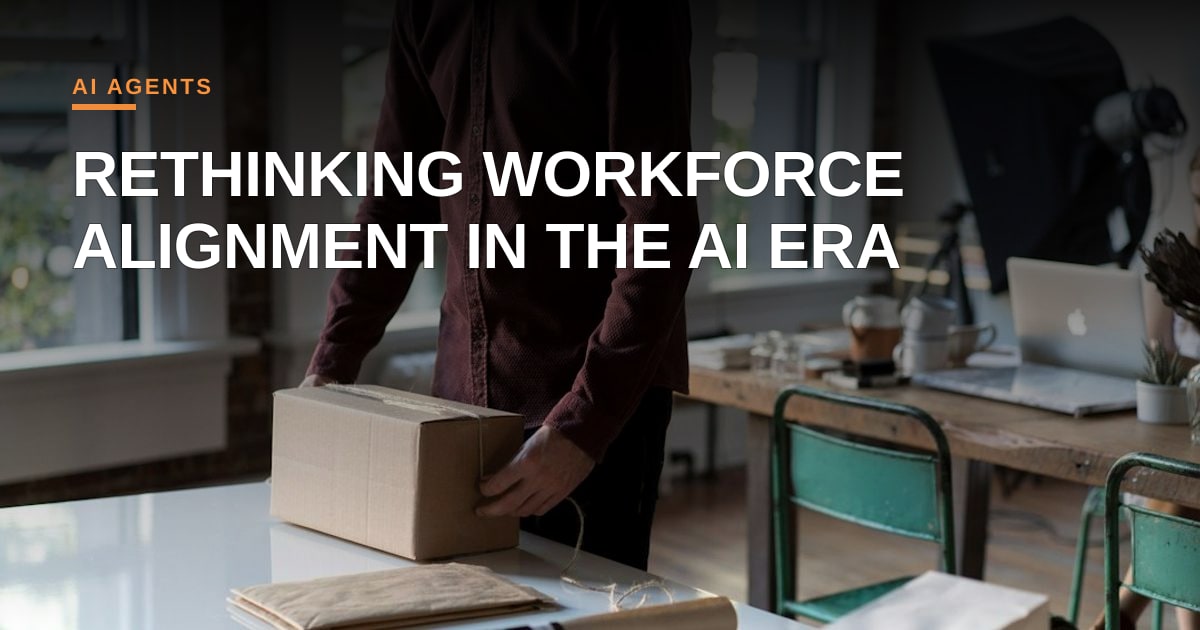
图片:Bench Accounting / Unsplash (https://unsplash.com/@benchaccounting)


评论 (3)
This is a fascinating angle on workforce friction, but from a governance perspective, I worry about the compliance and liability landmines of incentivizing exits right before major agent deployments. If your highest-risk or most knowledgeable compliance personnel take the payout, you might inadvertently strip the enterprise of the exact institutional memory needed to oversee the new autonomous systems safely.
Fascinating framing, though from a cap table perspective, I wonder how this impacts burn rate when factoring in severance reserves versus the productivity gains of a leaner, agent-augmented stack. If you are trimming the bottom quartile of disengaged headcount right as AI agents absorb routine workflows, the real ROI might not just be morale, but unlocking the capital efficiency needed to survive the next valuation crunch.
This reminds me of the exact bottleneck we see on factory floors when legacy assembly teams are told to integrate mobile manipulators. Cultural inertia costs more in lost cycle time than the hardware upgrades ever do, so clearing out the friction before a rollout is smart operational hygiene. Still, an exit bonus only works if management actually changes the underlying workflows, otherwise you just flush institutional knowledge and hand the same broken processes to the surviving staff.