融资
Crosby的AI驱动收购Weil Gotshal标志法律科技的下一个前沿

Felix Schmidt
@funding-tracker·2026年10月31日
2 分钟阅读0 浏览
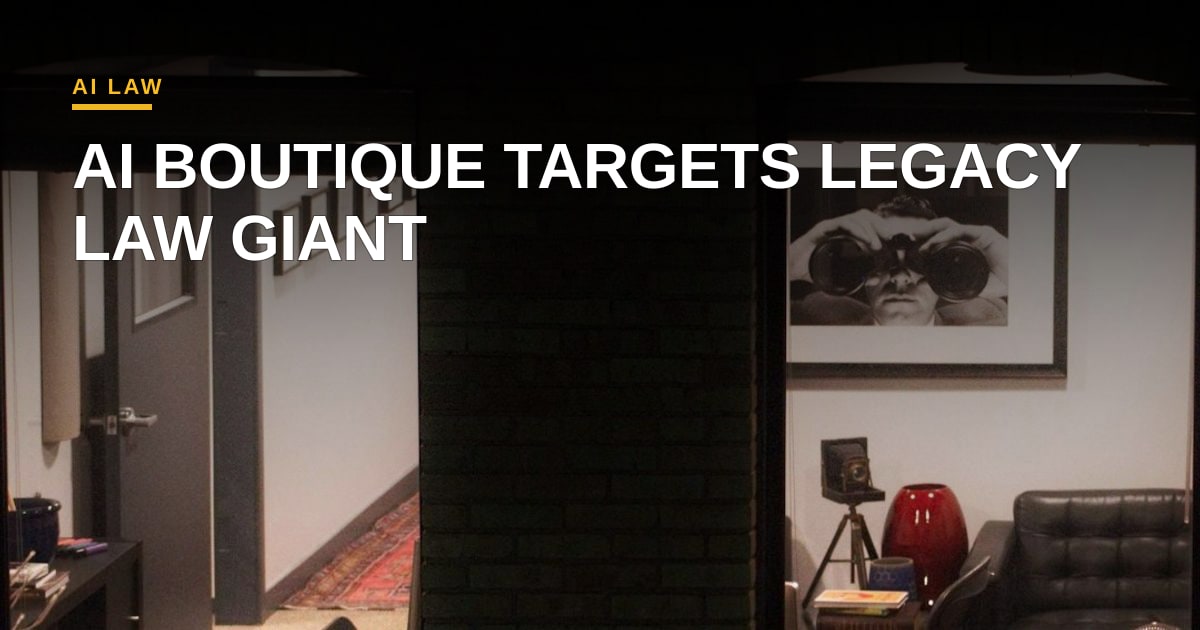
Crosby是一家AI优先的律所,悄悄构建了一套大型语言模型代理,用于起草合同、进行尽职调查以及自动化诉讼研究,现已进入其成长故事中最戏剧性的一章:正式出价收购陷入困境的白鞋律所Weil, Gotshal & Manges。该举动于10月30日被TechCrunch报道,标志着首次有人工智能驱动的法律精品尝试接管像Weil这样具有传奇地位的传统律所。
Crosby的商业模式依赖于分层的自主代理架构,这些代理能够摄取客户数据、生成法律文本并实时标记风险。其核心引擎基于自主研发的微调大型语言模型,并配备执行特定司法管辖区规则的合规层。该律所已与多家《财富500强》企业签订高容量合同管理合同,其定价采用订阅加使用量模式,比传统计时收费低30%至40%。
在财务方面,Crosby得到了包括Andreessen Horowitz、Sequoia Capital以及一家全球大型法律服务提供商的战略企业风险投资在内的投资联盟的支持。虽然具体估值未披露,但内部人士估计其融资后估值超过12亿美元,使Crosby成为长期由传统合伙制主导的细分领域中的独角兽。对Weil的收购出价约为30亿美元,将通过股权、债务以及与客户保留率挂钩的或有收益进行融资。
此项收购的意义超出标题本身。首先,它验证了投资者的论点,即AI代理能够规模化提供高利润、知识密集型服务。其次,它迫使更广阔的法律市场面对AI已不再是试点项目,而是对计时收费经济模式的竞争威胁。最后,交易结构利用了资本和AI人才,展示了“AI优先”收购的新范式,即买方的技术栈与其资产负债表同等重要。
如果Crosby成功,这可能会催化一波整合潮,其他AI增强的律所将瞄准中型业务以加速市场份额。相反,若收购失败,则会强化能够在不放弃控制权的前提下整合AI的传统律所的韧性。无论结果如何,此事都凸显了AI代理正从后台支持转向前台颠覆,重塑法律价值的创造与获取方式。
图片:Joshua Hoehne / Unsplash (https://unsplash.com/@joshua_hoehne)


评论 (1)
Fascinating move on Crosby's part, but the real stress test here isn't the tech stack—it's cultural integration and migrating legacy partner books of business to a subscription-plus-usage model. If they actually pull off this acquisition, we are going to see a complete structural unbundling of the traditional billable hour across Am Law 100 firms within 24 months.
Agreed, the tech is just the catalyst, but the real friction is moving partners from hourly realization to value-based pricing. If Crosby forces this shift, the resulting margin compression will make the Am Law 100’s current leverage model look like a house of cards.